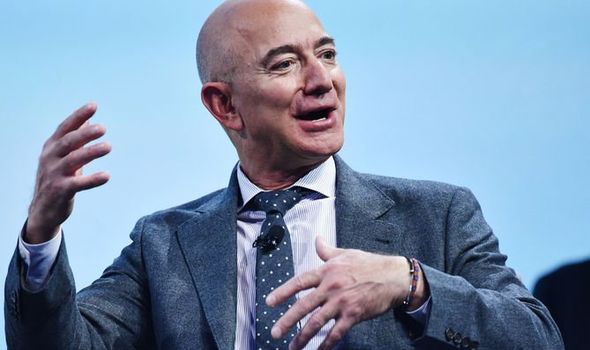
Founded on July 5th, 1994 and operating out of a garage, Amazon has since gone on to become one of the most valuable companies in the world. With many pinning its success on its consistently innovative approach, the company shows no signs of slowing down.
Having only gone from strength to strength despite the pandemic, predicted figures echo their domination in the e-commerce world. Before the pandemic, Amazon represented around 4% of total US retail sales, by 2025 they are expected to make up 25%. This in itself has caused much controversy for the company, and personally for former CEO and founder of the company, Jeff Bezos. Most recently, the company was fined $61.7 million by the United States Federal Trade Commission for mistreating workers by withholding tips from customers. Whilst this is by no means the first of this calibre of disputes that Amazon have been involved in, it perhaps serves as an explanation for Bezos’ resignation on the 2nd of February.
The End of an Era or a simple Misdirection?
When headlines of Bezos’ resignation hit, shockwaves were sent throughout the world and consequently, all discussion surrounding the company homed in on the 30-year career Bezos had in leadership, the reasons behind his exit and what the next chapter of Amazon would entail under new CEO Andy Jassy. The ensuing narrative found this to be a tactical move, one to smooth over the issues of the company, unaddressed until a change is made.
Upon a little further research, it is apparent that the dramatics surrounding his resignation are a far cry from reality. Whilst his perfectly curated statement honed by legal and PR teams did much to invoke a sense of respect and nostalgia, he still holds the title of executive chairman – a position of importance that holds undeniable influence over a company. Amazon’s Chief Finance Officer Brian Olsavsky no less, has reiterated this in his statement that ‘Jeff is really not going anywhere, it’s more of a restructuring of who’s doing what.’
The Bigger Picture
In a clip that went viral earlier this year, Labour MP Lloyd Russell-Moyle marked his stance by saying that billionaires shouldn’t exist. Whilst this is a notion that may sound radical at first, it is important to put into perspective exactly what a billion pounds may look like* and how the route to getting there is impossible, if not at the expense of others.
Amazon and Jeff Bezos epitomise this. Illegal working hours, and the suppression of unionisation to allow for better working conditions name a few. Not only does Amazon enable these conditions to continue in exchange for a bigger paycheck, but they also stand in direct opposition to those who strive to make it better. According to the Times, managers at an Amazon warehouse in Delaware were exposed to falsely creating an anti-union story to warn employees off organising. To add fuel to the fire, several employees were also fired for advocating a union.
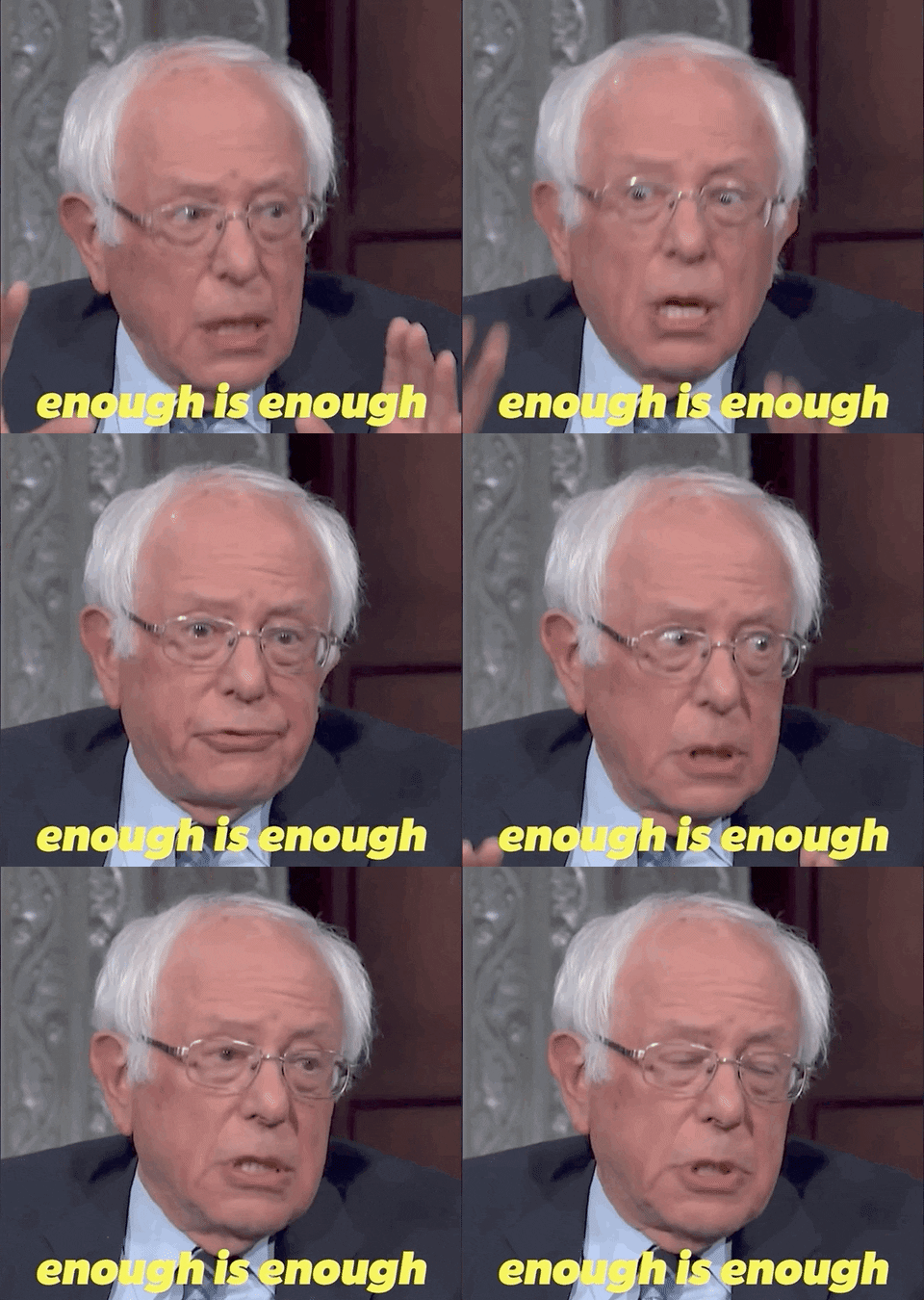
In summary, Amazon’s unethical approaches are simply a microcosm of the bigger picture, one that paints in injustice and discrimination. As the Independent stated, during the pandemic, the world’s one per cent acquired $3.9tn -enough to pay for a vaccine for every person in the world– while workers have lost $3.7tn dollars’ worth of earnings, with women and young people bearing the brunt.
The full and detrimental impact of these big corporations on worker’s lives have long since been realised, and now is the time to take action on these injustices.
*(even if you spent £1,000 every hour every day for the rest of your life – you still wouldn’t have spent a billion dollars).
To keep up to date with the latest commercial news, click on commercial to get your daily dose.
Donate & Support