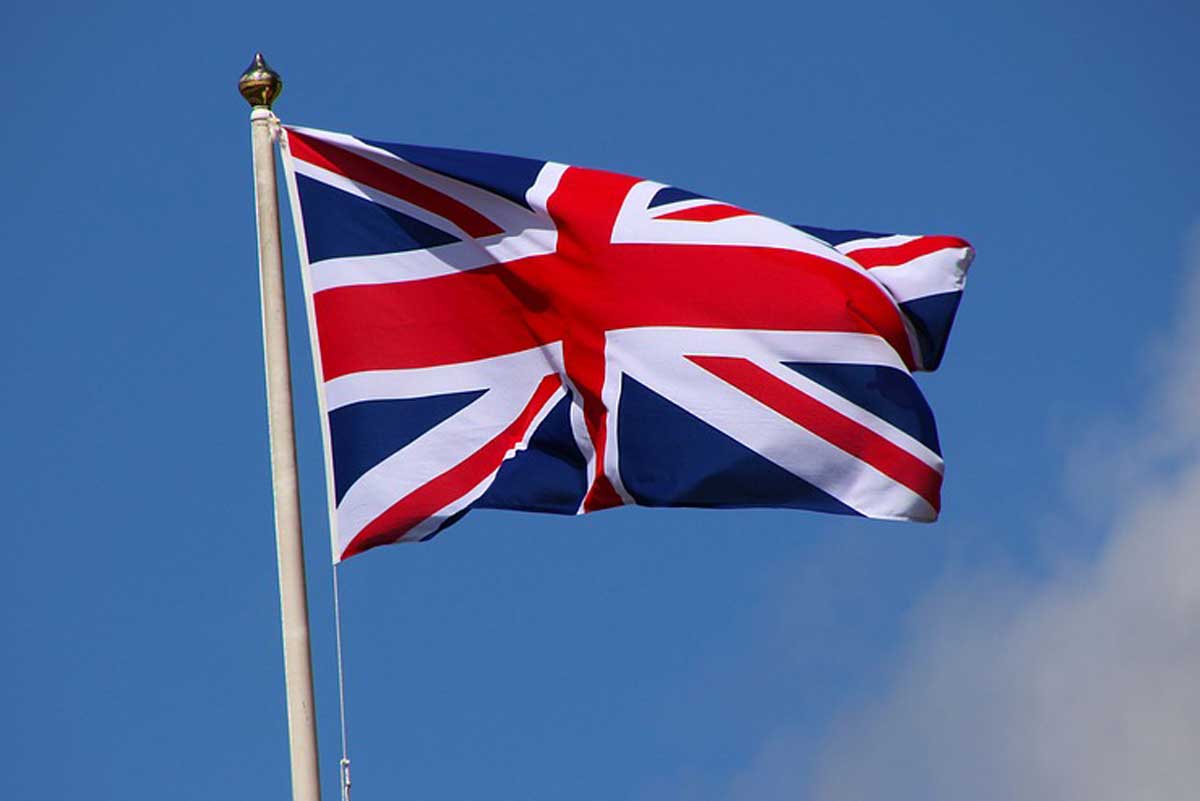
After a long-awaited decision-making period dating back to the Brexit referendum of 2016, on the 24th of December 2020, a deal was finally made by the EU and Great Britain.
Only just over a month later, many are wondering what a ‘Post Brexit Britain’ will entail. It may affect some more than others, with businesses already warned by government minister Michael Gove to prepare for inevitable disruption, owing to changes in procedure and new import/export rules. That being said, no matter your age, employment status or situation, Brexit has undoubtedly marked a new chapter in the history of Great Britain– with it bringing immense change for all. Whilst teething problems and controversy surrounding government verdicts are expected, as Bryant McGill famously once said ‘whatever makes you uncomfortable is your biggest opportunity for growth.’
Article 16 – What you need to know
‘Article 16 is part of the Northern Ireland Protocol which governs the island’s trading arrangements with the EU and Great Britain.’ As Northern Ireland has chosen to stay in the single market it continues to work under EU custom rules, thus affording them the luxury of importing/exporting products without checks. Amongst many reasons, the one that stands at the forefront in NI’s decision to abide by EU custom rules is to avoid potential conflict and hindrance of cross-border trade at an already politically sensitive frontier.
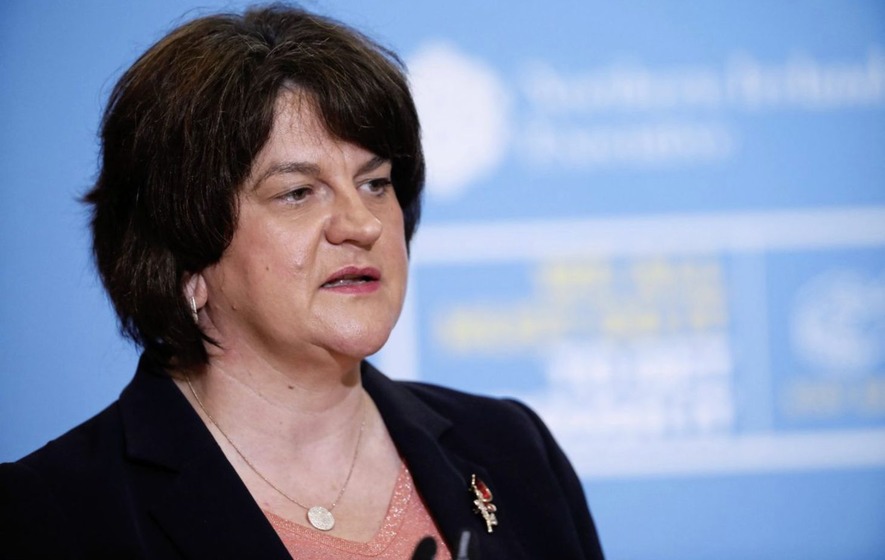
Controversially on January 29th, the EU invoked article 16 which allows the EU or UK to unilaterally postpone aspects of its operations if either side considers that aspect to be causing “economic, societal or environmental difficulties.” Here, what would constitute as these ‘difficulties’ had not yet been clarified, consequently leaving much room for disagreement and confusion as reflected in the Republic’s reaction with Northern Ireland’s First Minister Arlene Foster coining the act as an ‘incredible act of hostility.’ Although the European Commission has since reversed the move, the backlash continues as communication between said parties has been proven to be lacking.
Changes after Brexit
In summary, the most important changes that everyday citizens will face fall under the sectors of trade, services and qualifications, travel and education – amongst others listed in the full agreement consisting of 1,200 pages.
Concerning trade, Britain is now able to expand their horizons, potentially making deals with countries that they weren’t able to before whilst still retaining a no taxation policy on import and export goods with the EU. New checks will also be introduced at borders. From this outline of the deal on the BBC website, we have seemingly been gifted with the ‘best of both worlds.’ However, with this much diluted and basic explanation perhaps to avoid presenting the less idealistic complications, also comes criticism with many worried about the status of our international competitiveness should we not abide by EU regulations.
The following two sectors of service and travel go hand in hand. Previously, British qualifications were widely recognised across Europe, making it easy for people to market their skills to a larger geographical landscape with little restriction. Now, not only will qualifications be less recognised, but UK nationals will need a visa to stay longer than 90 days at any given time. Whilst legitimate concerns lie in fears of unemployment and a slump in skilled labour, talks have already begun in terms of easier access between the UK and the EU.

Finally, with recent headlines of unprecedented levels of student activism surrounding Brexit, their frustration and reaction are understandable; they are begging for their voice to be heard regarding their future. Having had no input in the referendum itself due to age, upon the announcement of the cancellation of the Erasmus exchange programme with no concrete solution as of yet, students’ sentiments remain in the lurch despite government promises of a better replacement programme starting in September 2021, promoting a wider variety of countries.
With conjecture contributing to almost every decision made in terms of Brexit whether that be for or against, it can be difficult to differentiate between genuine risks and pessimism. Following a long period of uncertainty, predictably, morale is at a low. However, as the New Year progresses it is important to embrace it with optimism.
To keep up to date with the latest commercial news, click on commercial to get your daily dose
Donate & Support
1 comment
Great amazing things here. I am very happy to see your article. Thanks so much and i am looking forward to contact you. Will you please drop me a mail?