The diplomatic relationship between the EU and Russia has deteriorated after the annexation of Crimea in 2014. The political dialogue between the two sides was lifeless since 2017, and the last visit of EU High Representative for Foreign Affairs and Security Policy, Josep Borrell Fonteless “hit new lows”, as CNBC describes.
Borell summarized his visit in the tweet: “My visit to Moscow highlighted that Russia does not want to seize the opportunity to have a more constructive dialogue with the EU.” He calls on the EU for “unity and determination”, which is also very much relevant in terms of the current disputes inside the Union over the gas pipeline Nord Stream 2, being constructed by the Russian gas industry company Gazprom.
Nord Stream 2
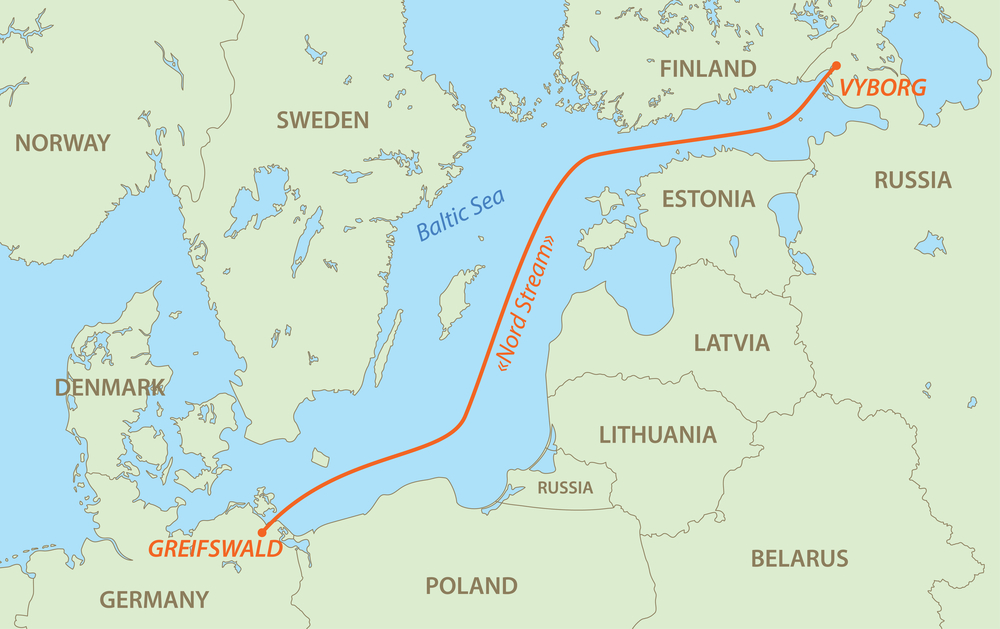
The new export gas pipeline running from Russia to Europe across the Baltic Sea will be similar to the one in operation, Nord Stream. The total capacity of Nord Stream 2 is 55 billion cubic meters of gas per year. It doubles the current export amount, ensuring the high reliability of Russian gas supplies to Europe. Not surprisingly the project has caused friction inside the EU and more significantly between the US and Germany.
A sharp divide
While the German government argues that the pipeline is solely a commercial project, the sceptics in the US and some European countries, including France, see it as a geopolitical weapon. “Nord Stream 2 divides Europe, exposes Ukraine and central Europe to Russian manipulation, and goes against Europe’s stated energy security goals”, Ned Price, the State Department spokesman concludes.
Among the main arguments against the project is its incompatibility with the EU’s Third Energy Package, which aimed to reduce the market power of Gazprom on the EU internal gas market. Moreover, the opening of the Nord Stream 2 route is likely to signify the closure of the Ukrainian route, leaving Ukraine, Slovakia, Hungary, and Poland without lucrative transit fees. Ukraine alone is about to lose an estimated $2 billion of annual fees.
The threat of sanctions
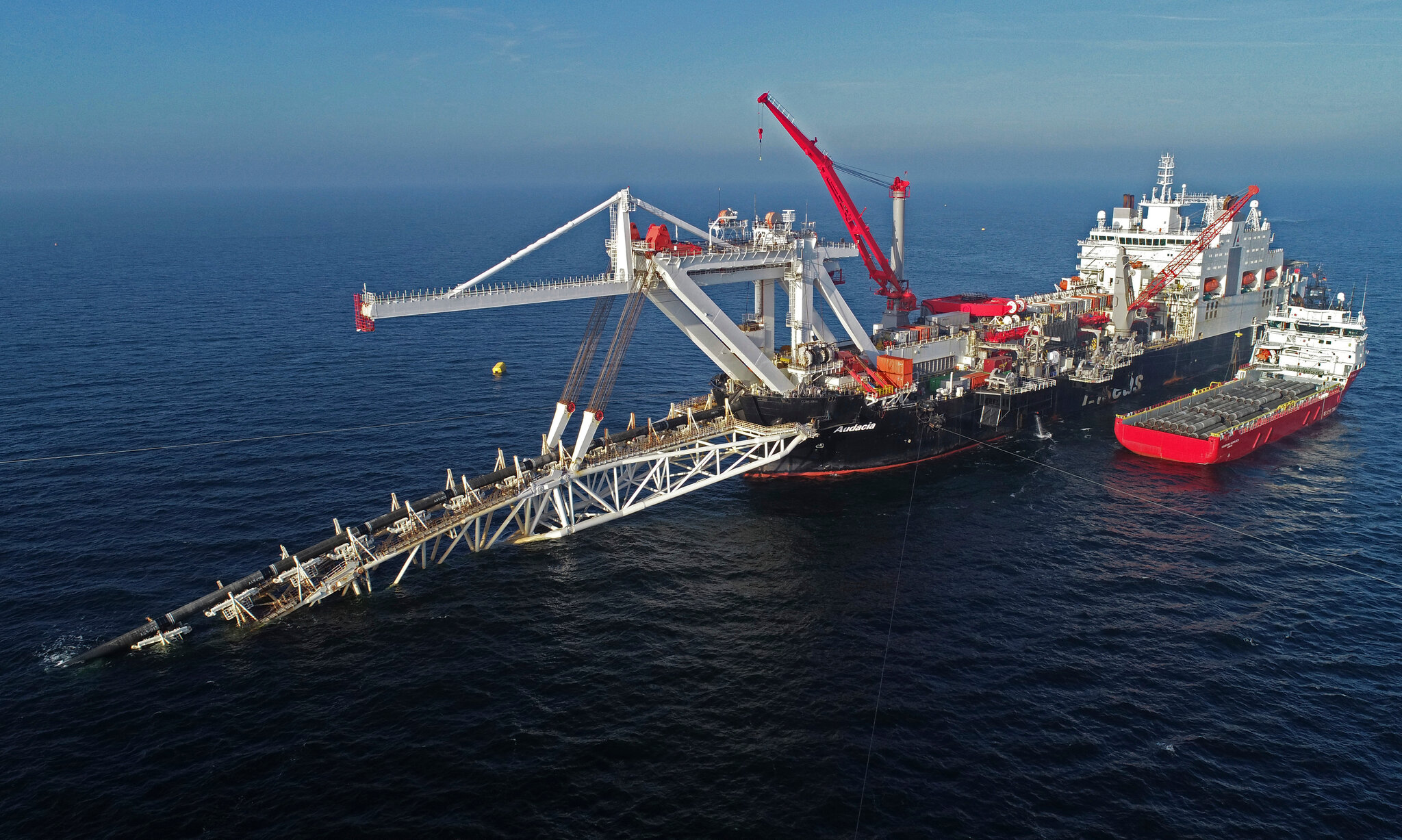
The project was paused for longer than a year when in January Gazprom resumed the construction of the pipeline. The delay was caused by the threat of US sanctions against participating companies. Even if now Russia has secured permission from Germany, the US policy still rests on the perfect bipartisan opposition to the project.
On Tuesday the US imposed sanctions on the Russian ship finishing the final sections of the pipeline, however, the European companies participating in the pipeline project face a risk of the sanctions as well. The US Congress is pushing the Biden’s administration on the issue, and several companies, Zurich Insurance Group, for instance, have already withdrawn out of the project under the threat of the U.S. sanctions.
The demand for gas and going-green agenda
If assuming that the pipeline will ultimately be commissioned, the last factor influencing the future of the pipeline will depend upon whether the European market has a demand for gas. The declining European indigenous gas production and coal-to-gas switching in power generation result in the increasing demand for imported gas and suggests that the project can lead to long-term cooperation and success.

However, the fulfilment of the Paris Climate Agreement requires the reduction in the use of fossil fuels in transportation, heat and electricity generation to a minimum. Germany, in particular, is undertaking a serious energy transformation. It already obtains half of its electricity from renewable sources and needs gas only as a substitute when there’s not enough wind or sun to meet the consumption demand. Overall, if the commitment to the Paris Agreement within Europe will become more solid, the gas consumption will ultimately decline.
Nord Stream 2 has undergone a lot of criticism since the launch of the project. It has also divided the West between those who see it as a geopolitical weapon and those who see the Nord Stream 2 project as economically beneficial. It is initially a project of private companies, which means that if the German government agrees with continuation, the EU cannot do anything. However, the US will hardly hesitate to impose sanctions, which can be painful and even lead to a geopolitical clash and trade restrictions between the US and the EU.
To keep up to date with the latest commercial news, click on commercial to get your daily dose.
Donate & Support