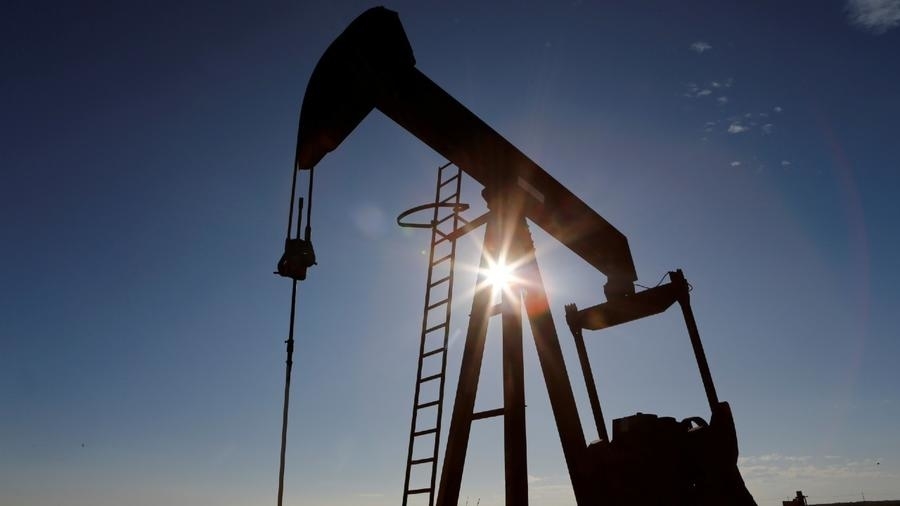
The ongoing COVID-19 pandemic has hit every industry hard, but perhaps the one industry which has taken the biggest hit is the global oil and gas industry.
The spread of this virus has forced many oil and gas companies to either stop or slow down their physical operations, which has impacted production in both upstream and downstream operations. Perhaps the biggest and most significant impact of the coronavirus pandemic on the downstream oil market has been the price crash of crude oil within a short time. Consider this, on January 1, 2020, the price of a barrel of crude oil was being sold for $67.05 on the NASDAQ exchange in New York. By March 15, 2020, this price had crashed down to $30.00 a barrel. Oil majors have taken a major hit – BP’s market cap fell to just 51% in July 2020 of what it was at the start of 2020.
Players in the oil and gas sectors struggled a lot with declining demand, ensuring employee safety and business stability, and oil price war. They start focusing on building a flexible business model that can lead to long-term resilience as the world comes out of the coronavirus crisis.
Fully 35% of respondents to the Fed survey expected 2021 spending to improve slightly, while an additional 14% expected a significant increase and 23% expect spending to remain near 2020 levels next year. Of the remaining 28%, about half those polled expect their company’s spending to decrease slightly, and the other half project spending will decrease significantly. On average, Fed survey respondents anticipated an average WTI oil price of $50/b by year-end 2021, with a range cited of $35/b-$70/b. For natural gas, survey respondents expect Henry Hub prices to average $2.76/MMBtu for the same period.
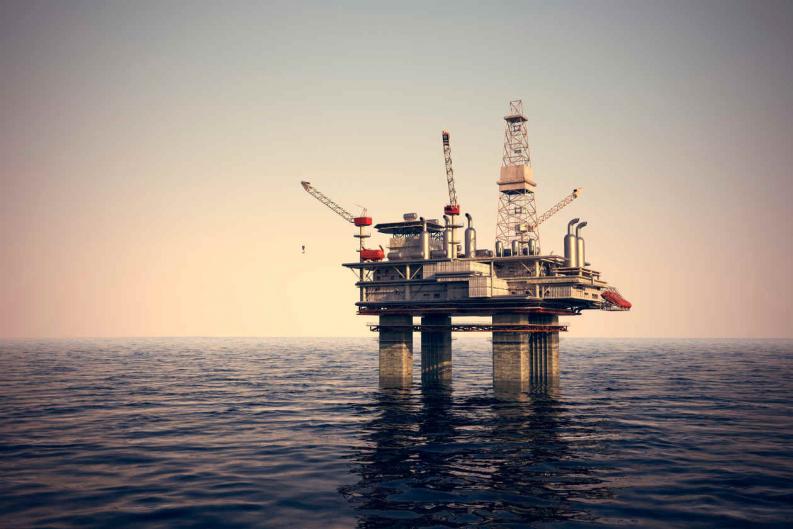
Recovery scenarios in the oil and gas industry are expected to be sluggish rather than following a quick V-shaped path. Recovery trajectories are expected to exhibit significant variance across geographies, with some regions striving to accelerate energy transition while others focus more on reinforcing their domestic manufacturing industries and supporting existing energy-producers. Since oil demand was already subdued pre-COVID, the pandemic has further aggravated the oil crisis. Thus, the sector is expected to witness weaker oil demand and slower growth in the post-pandemic era.
The recovery of subdued oil prices, which crashed on the back of failed agreements on production cuts, will require a considerable amount of time. Furthermore, as the world will gradually return to the new normal, the demand for refined and chemical products — which had weakened due to industrial slow-downs and travel restrictions — will also recover progressively.
Against the backdrop of post-COVID-19 market uncertainties, the diversification in supply chains will be key in the post-COVID scenario across the globe. The impact of the pandemic has been increasingly pushing companies to restructure their supply-production strategies to survive the new normal. Even though a few leading companies are equipped with distinctive business models or asset-bases to thrive in the post-pandemic set-up, most companies will have to effect changes in their strategies.

In the near-term, a majority of companies are likely to pursue supply chain adjustments, along with leveraging remote-working wherever feasible, while also gradually resuming fieldwork. Nevertheless, in the medium to long run, energy firms are expected to progressively adapt to the evolving new normal while safeguarding their financial sustainability. These companies are likely to leverage a more digitally connected enterprise, both across their plants and corporate functions through the incorporation of indispensable supply chain adjustments. Besides diversifying supply-chains, nations across the globe will further prioritize self-sufficiency while avoiding excessive dependence on any one commodity or source in the post-COVID-19 world.
To keep up to date with the latest commercial news, click on commercial to get your daily dose
Donate & Support