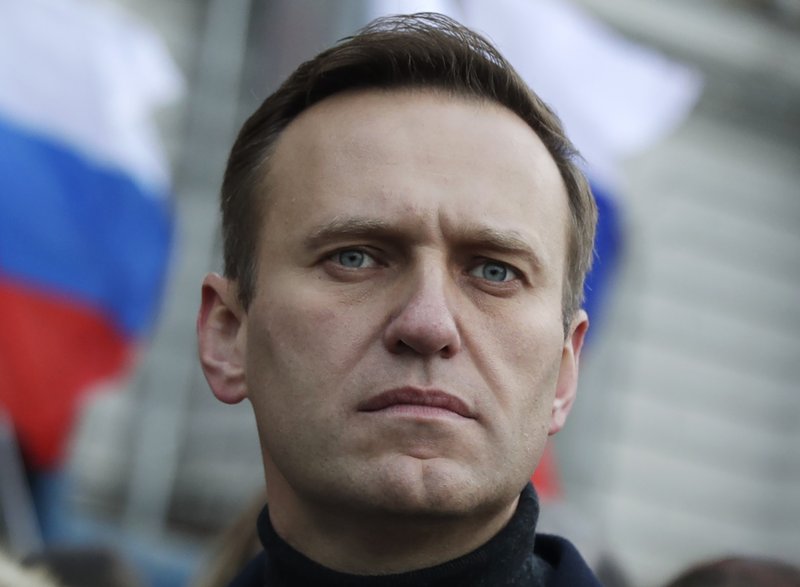
January 2020 saw the return and detention of Russian president Vladimir Putin’s toughest political opponent, Alexei Navalny. Since then, a wave of protests swept through Russia in support for Navalny leading to numerous arrests and Navalny has been jailed, so what does this mean for Russia?
Two days ago, Alexei Navalny was sentenced to three and a half years for violating the conditions of a suspended sentence. As mentioned in the previous article on Navalny, he was accused of embezzlement, allegations which Navalny denied. This has now been converted into jail time, however, the sentence will be reduced slightly, after he has served ten months already under house arrest.
Hundreds gathered in Moscow and St Petersburg on Tuesday evening to protest the Russian government’s actions. Images of police attacking protestors with batons were being shared and videos streamed online. More than 1,000 protestors have been arrested across the country, with reports surfacing that they have been crammed into cells, despite coronavirus concerns.
The Guardian received video footage yesterday of the poor conditions in one of the centres where protestors were being held. Wife of Sergei Smirnov, the editor-in-chief of Russian website MediaZona, showed 28 men trying to sleep in a cell meant for eight. Smirnov’s wife, Tatyana said in an interview: “They’ve had this conveyer belt (for arrests). There are so many people they’re not even considering who’s a protester, who’s a journalist . . . even if they make a mistake they figure they’ll just sit the sentence and then get out. They don’t see it as the end of the world.”
Andrei Kolesnikov of the Moscow Carnegie Centre told the BBC that this was only the beginning of resistance. Kolesnikov said: “Navalny became not only a political force but a moral one, which makes him more attractive to those who weren’t preciously his followers. It’s not just the political opposition, but civil society that’s irritated by the cruelty – the behaviour of the police and the courts.”

Kolesnikov’s comments on Navalny paint him as a catalyst of unrest and resistance to the government’s actions. The violence and cruelty of the authorities have become too much for Russian citizens, and now with Navalny’s sentencing and the response of authorities towards protestors is building further resistance towards Putin’s government.
Navalny’s lawyers, Olga Mikhailova and Vladimir Kobzev plan to put together an appeal to the European court of human rights. Navalny’s Anti-Corruption Foundation (FBK) decided not to participate in the protests, as manager of FBK, Leonid Volkov was worried new rallies could affect the longevity of their campaign due to the mass arrests that have occurred in the last few weeks. Their main focus is the September parliamentary elections.
Russians will not give up, the jailing of Navalny and continuous stringent actions taken by the Russian government will only fuel further resistance. The Russian people have already begun to show support for Yulia Navalnaya, wife of Alexei in a campaign of wearing the colour red in an online flashmob. Fashion writer, Katya Fedorova started the campaign on Instagram encouraging users to share photos of themselves in red clothes with the hashtag “Don’t be sad, everything will be fine.” These were the last words Navalny spoke to his wife before he was taken away.
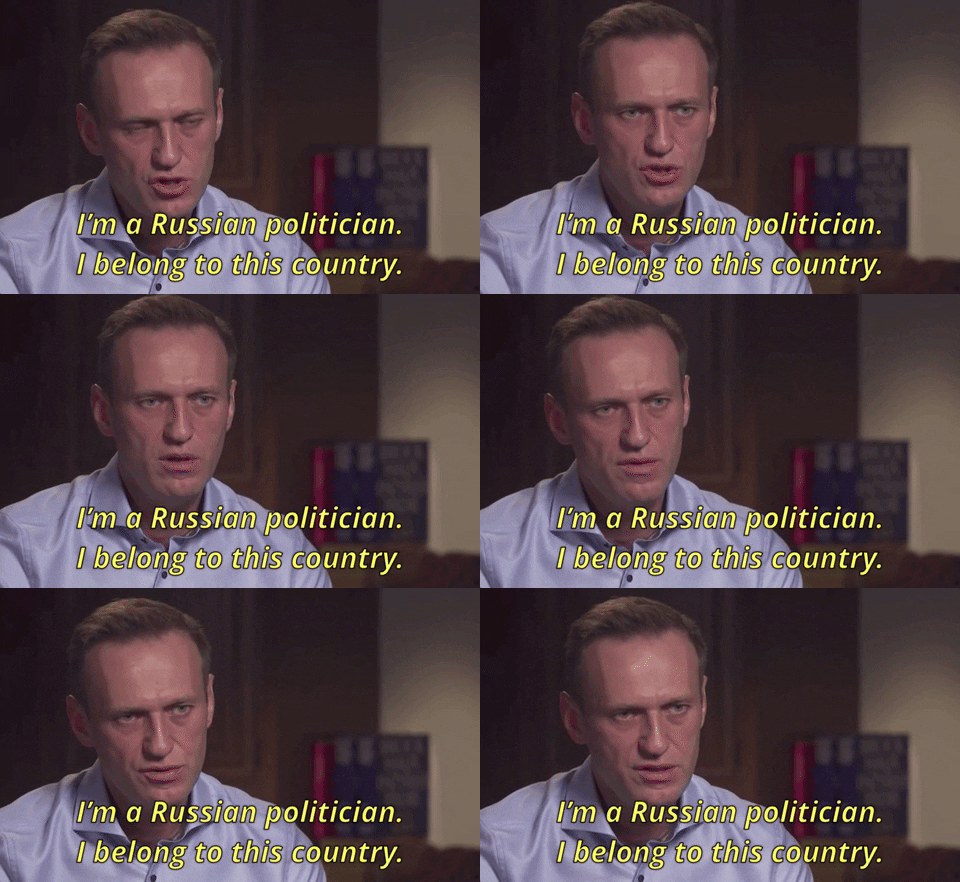
The decision to send Navalny to prison has been met with further condemnation from the U.S. government and EU leaders with the U.S. secretary of state, Anthony Blinken saying that Washington was “deeply concerned” and reinforced the position that Navalny should be released immediately and unconditionally. EU chief of foreign affairs Josep Borell discusses the difficulties of the relations between the EU and Russia saying that the Navalny case has put strains on the relationship, and “while we fully respect Russian sovereignty . . . the European Union considers issues related to the rule of law, human rights, civil society and political freedom are central to our common future.”
Navalny has been taken to court again today under defamation charges, which the outcome will be revealed over the upcoming weeks. There is no doubt resistance will continue to build in the country as more details on the treatment of protestors become available to the media and public. If the government continues to act harshly this resistance will continue to get stronger, the jailing of Navalny will not silence the wider discontent with the running of the country.
To keep up to date with the latest commercial news, click on commercial to get your daily dose
Donate & Support