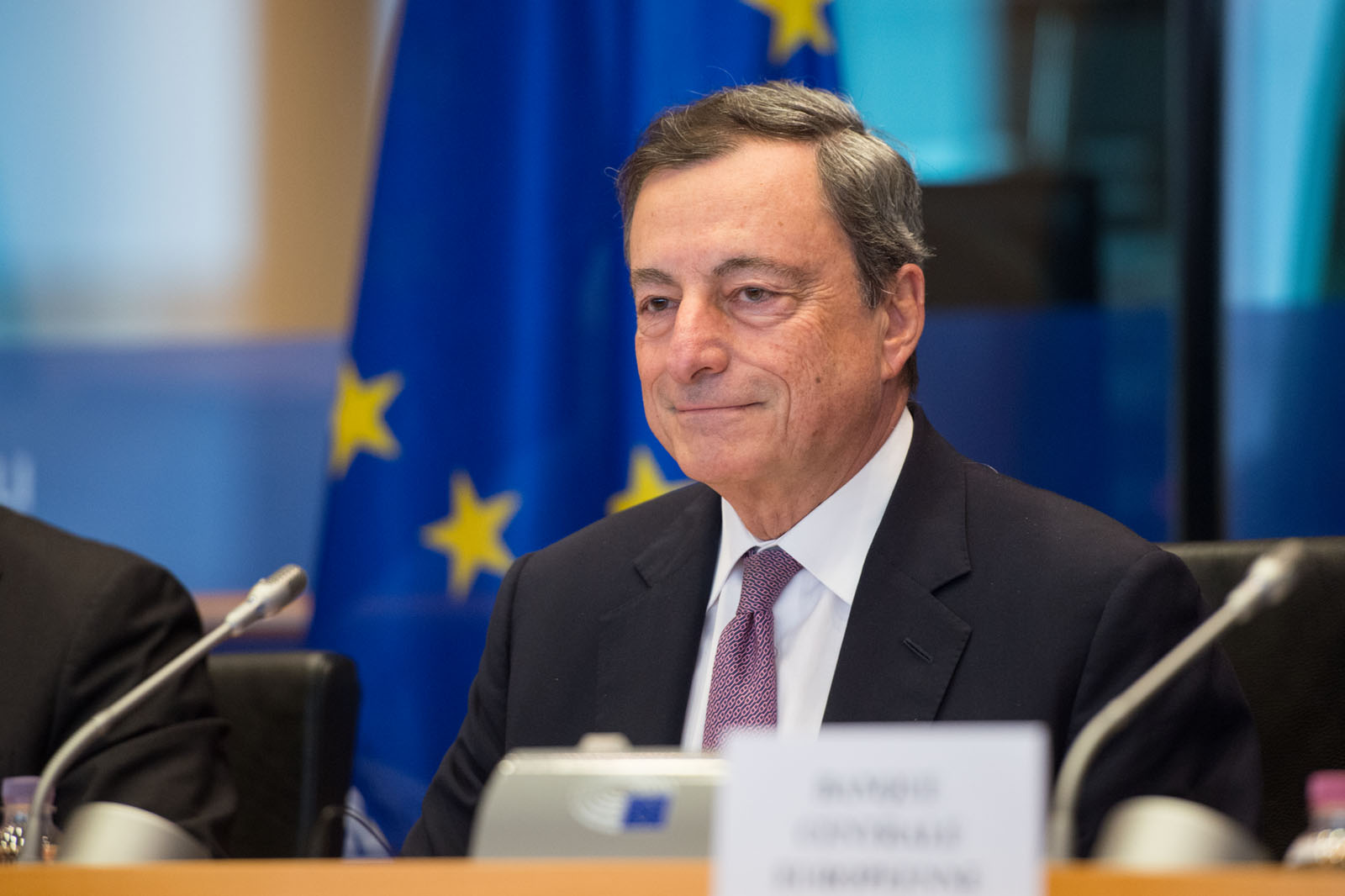
Mario Draghi, Italian economist and the former head of the European Central Bank (ECB), became Italy’s prime minister, following the resignation of Giuseppe Conte. Mario Draghi is a well-known and respected figure, his arrival was welcomed by many European countries. The choice of appointee is clear since Mario Draghi has an outstanding experience in leading in a time of crisis and it is also promising as Italy now is experiencing not only economic and health, but also political turndown.
Work experience
After studying economics and receiving a Ph.D. at the Massachusetts Institute of Technology (MIT), Draghi taught economics at the University of Florence and worked for the World Bank in Washington, D.C. From 1991 to 2001 Draghi was the director general of the Italian treasury, where he played a central role in stabilizing country’s economy, reducing Italy’s public debt and annual budget deficits. His policies allowed Italy to become a part of the European monetary union in 1999.
After this successful enterprise, Draghi became attracting international attention. From 2002 to 2005 he was a vice-chairman and director of a London-based branch of Goldman Sachs International. In 2006 he took the governorship of the Bank of Italy, being also a member of the ECB’s governing council. In June 2011 Draghi became a president of the world’s second most important central bank, ECB. He took the office when the very future of euro was implausible and yet he rescued it from a possible collapse, for which became known as Super Mario.
Challenges Draghi is about to face
As Italian prime minister, Draghi faces a number of problems to solve. First is to bring together the scattered Italian administration. Likewise, the health and economic downturn require immediate governmental actions. In particular, Italy will benefit from EU’s joint pandemic fund estimated at about €200 billion in loans and grants. However, there is no plan yet on how to spend the money.
The issue of political division in Italy
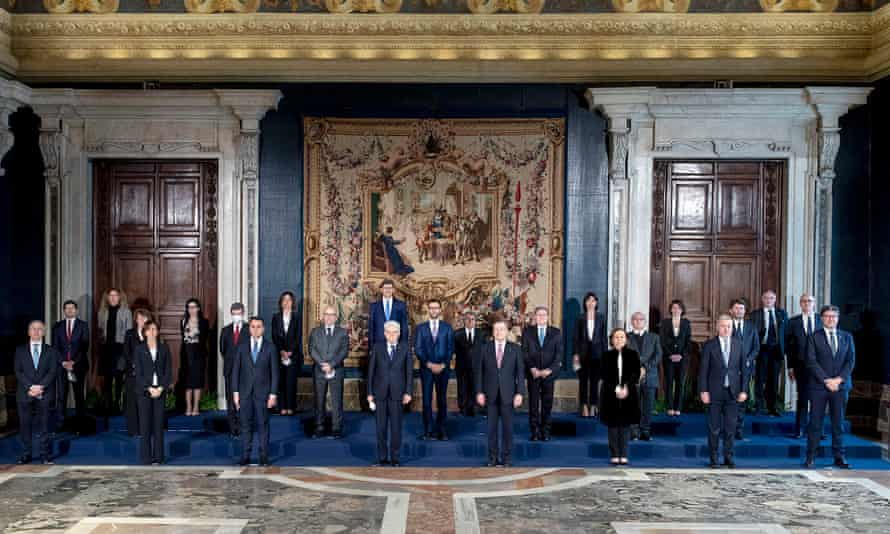
Initially, the dispute over the relief funds and disagreements on a way forward caused the collapse of Giuseppe Conte administration. The Italian government depends on a disperse group of political parties which very much restricts the room for maneuver and makes hard to reach consensus in general. Draghi in his turn assembled a cabinet of representatives of broad Italian political parties, ensuring sufficient support to advance his agenda.
In his first public statement Draghi said: “I am confident that through the confrontation with the parties and parliamentary groups and through dialogue with the social forces, unity will emerge”. He personifies unity and determination of the future administration. Moreover, most of the ministers he appointed, come from Bocconi University, the most prestigious business school in Italy, giving a good start and promise to overcome future challenges “whatever it takes”.
Italy’s economy and advantages of Draghi’s position
Italy’s economy shrunk by approximately 9 % in 2020 and its debt has reached almost 160 % of GDP. However, spending Italy’s part of the recovery fund doesn’t seem to be a bad start for Draghi’s term. Especially if compared to some of his predecessors that pulled the country through tougher times, as for example, Mario Monti did at the height of the debt crisis. Whereas Monti had to find ways to cut public spending, Draghi’s challenge is to find a way of spending that increases the country’s growth potential.
Covid-19 implications
Now Italy experiences not a unique situation in the downturn, as many countries’ economically, socially and politically, suffer from covid-19 implications. Unemployment, in Italy and globally, will most probably rise, and the situation will worsen if the covid-19 restrictions stay in place. Italy barely receives enough doses of the vaccine as a result of the European Commission’s mismanaged procurement. The prospects are that less than a third of adults in the EU will be vaccinated by September 2021.
Because of its scarce growth and towering public debt, Italy is one of the most fragile European Union members. The economy is in need to be changed. Draghi has a deep understanding of his country’s and the EU zone’s economic problems, as well as the courage and preparedness for reforms. He may be also influential when it comes to shaping EU agenda and policies. But first things first, Italy’s unstable political landscape is the first challenge to be overcome.
To keep up to date with the latest commercial news, click on commercial to get your daily dose.
Donate & Support