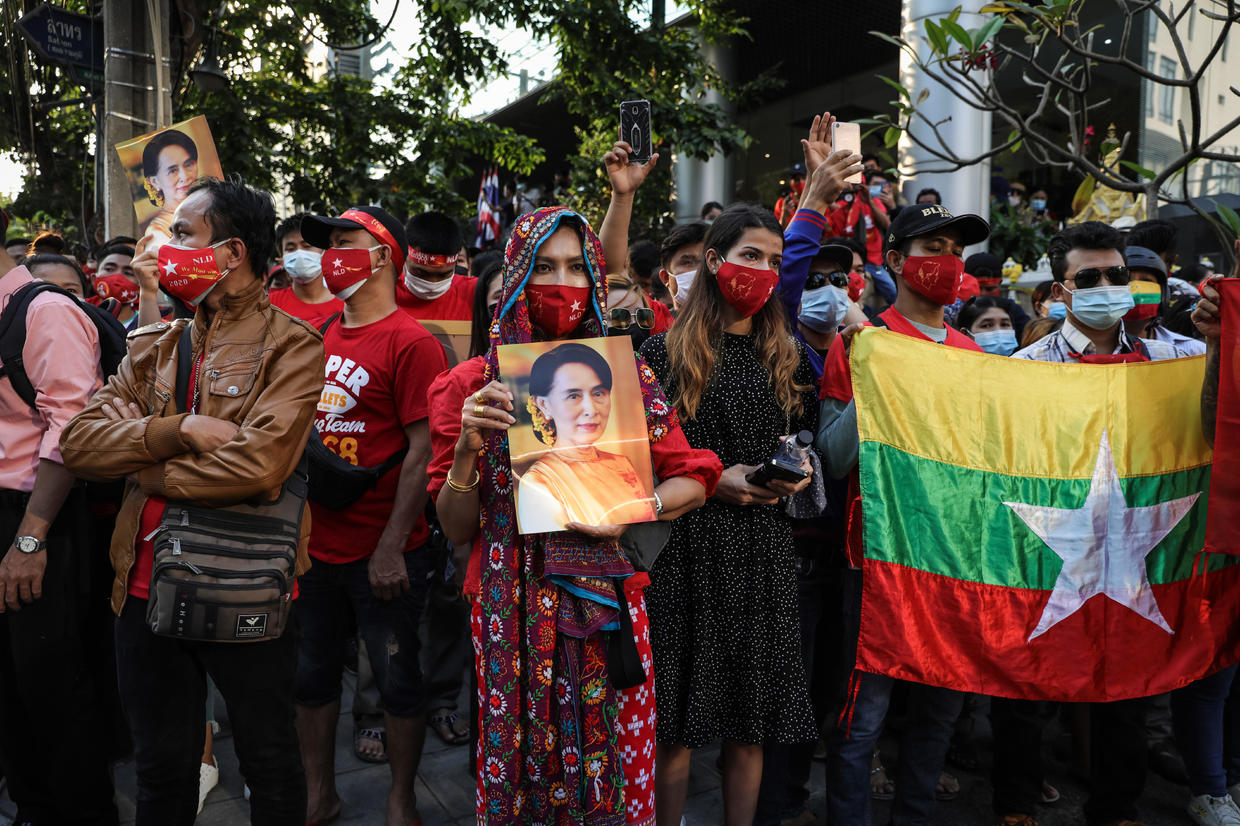
In the early hours of February 1st, Myanmar experienced a coup d’état launched by Tatmadaw – Myanmar’s military, as a result of parliamentary elections lost by the army-backed opposition. It has detained President Win Myint, State Counsellor of Myanmar and the president of the National League for Democracy Aung San Suu Kyi, and other politicians, seizing power a day before the newly elected members of Parliament were about to swear the oath. The commander-in-chief Min Aung Hlaing is now in charge, and a one-year state of emergency is declared.
No major violence has been reported, neither massive protests were held. However, while understanding the perfect timing that Myanmar’s military has chosen for the coup, the action appears to be reckless. First of all, the public is angry since more than 70% of the voters sincerely supported Aung San Suu Kyi. Secondly, Myanmar is one of the poorest countries in the region, additionally, the country is hugely disrupted by the covid-19 pandemic, the consequences of the coup, i.e. possible foreign sanctions, will firstly and dramatically hit the poor.
International response
Foreign ministers from the G-7 group of nations condemned the coup in Myanmar, calling on Myanmar’s military to end the state of emergence and allow humanitarian access. The US stated that it will not compromise the outcome of the 2020 elections, not giving up on the beacons of democracy that are now detained. Joe Biden has threatened to impose sanctions on Myanmar, the key question here is how far the US will go and how the ASEAN bloc will react.
On Tuesday, China has blocked a UN Security Council statement that condemns the military coup in Myanmar. However, this doesn’t mean that China is happy with the situation. Even if China would benefit strategically from the disruption of Myanmar – Western diplomatic relations, it also expressed the necessity to resolve the situation quickly, having long borders with Myanmar. The fact is, none of the countries in the region wants to be destabilized by the inflow of migrants both, politically and economically speaking.
Foreign investments
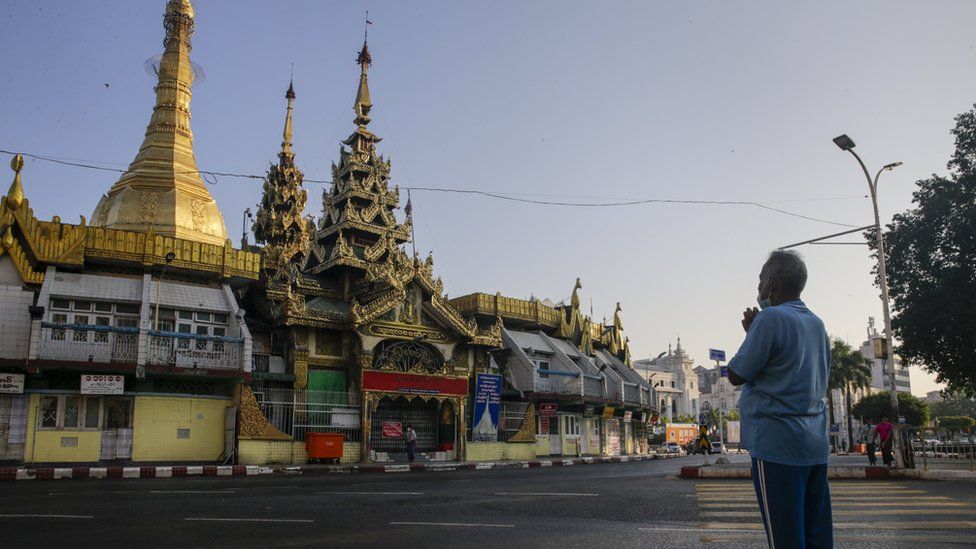
Myanmar became more attractive to foreign investments since the democratization process begun in the country in 2011, making a way for the economic liberalization in the country. The money flowed into telecommunications, infrastructure, manufacturing, and construction projects.
However, after the military crackdown on Rohingya Muslims in the Rakhine state, the Western countries have already become more hesitant to take the risks. Now, we see disruption all over the place: starting with the Thai-owned $1 bln industrial estate project halting the work to the resources company based in Perth suspending the share-trading.
As been mentioned, the US is considering imposing sanctions on Myanmar, but the impact would be limited because most of the foreign investments come from Asia. Singapore accounts for over 45% of all investments in the last 5 years, following by China, Hong Kong, Vietnam, and Japan. Now, due to the instability and the threat of international sanctions, Western businesses are even more likely to abstain from investing in Myanmar. However, investing in the country’s food and drugs industry could be still an option.

Country’s economy
The effect of the coup will first be visible in physical infrastructures, the military has already announced that 24 ministers and deputies were removed, and some replacements had been made, including in finance, health, the interior, and foreign affairs. This might trigger significant changes in the country’s policies.
Historically, coups overthrowing democratically elected government suggest a shift from socio-economic priorities to the benefit of political elites, i.e. to military defence and maintenance spending. Overall, poor conditions of Myanmar’s economy, a minor role that Myanmar plays in the Belt and Road initiative, which is the most significant opportunity for development these days, along with the deteriorating internal and external factors can potentially bring the country to the edge of an economic crisis.
To keep up to date with the latest commercial news, click on commercial to get your daily dose.
Donate & Support