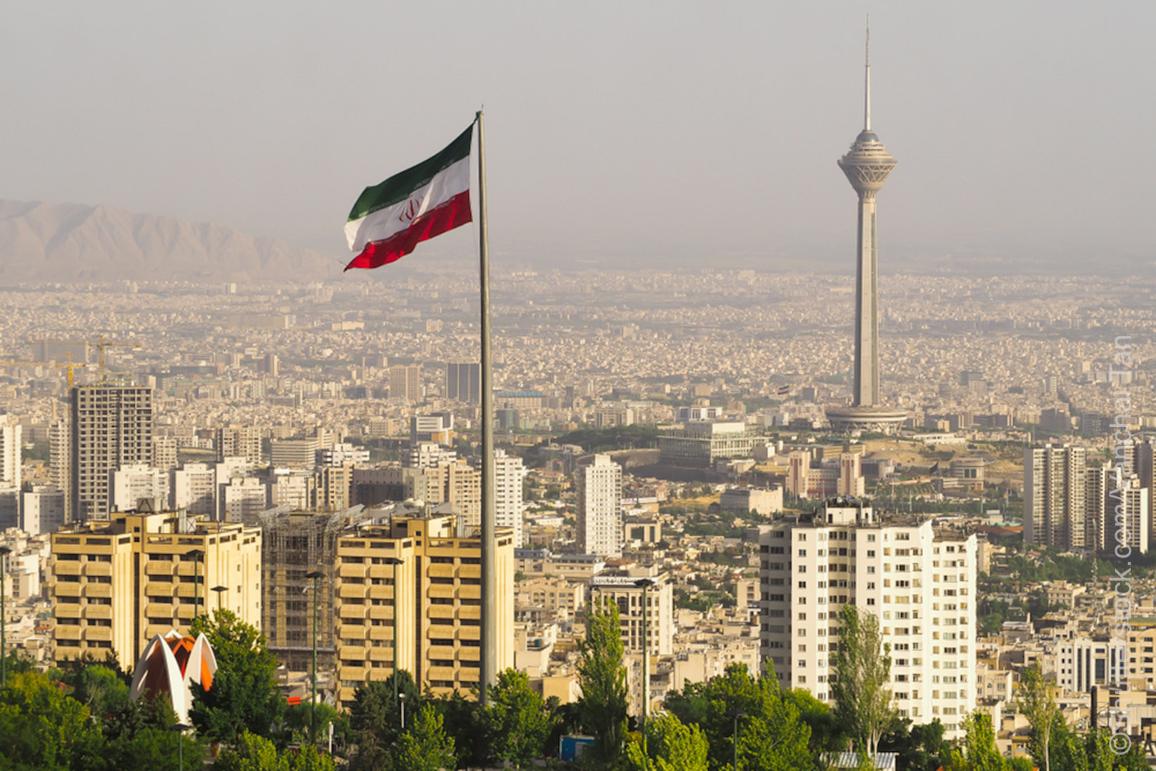
The Iran Nuclear deal, also known as the JCPOA (Joint Comprehensive Plan of Action), is a nuclear deal between Iran and P5+1. The P5+1 includes five permanent members of the United Nations Security Council namely the US, China, UK, France, and Russia along with Germany.
The deal was signed in July 2015. Iran agreed in the deal not to produce highly enriched uranium, remove two-thirds of the centrifuges, not to use its advanced centrifuges, give up 98pc of its existing enriched uranium stockpile (for 15 years), modify the Arak heavy water reactor to block the production of weapons-grade plutonium and not build other heavy water reactors for 15 years, to put its entire nuclear fuel cycle under full-time IAEA (International Atomic Energy Agency) inspections, provide managed access to ‘suspicious’ locations, and as required to clarify past nuclear activities.
Why it was signed?
The Nuclear deal Between Iran and P5+1 was signed because the Permanent members of the United Nations Security Council were suspicious that Iran was planning to build a nuclear weapon.
The relationship between Iran and the US was tumultuous with the 1979 Iranian revolution and storming of the US Embassy by revolutionaries. The prospect of conflict heightened in 1988 when the USS Vincennes shot down an Iranian passenger plane, killing 290. “In his 2002 State of the Union address George W Bush lumped Iran in with North Korea and Iraq as part of the “axis of evil” and he later heightened tensions further by increasing naval deployments to the Gulf. For more than a decade, Israel, with its own undeclared nuclear arsenal, had regularly warned that it was prepared to mount a pre-emptive air attack on Iranian nuclear facilities” (The Guardian)
Tension rose again in 2002, the genesis of the present crisis, when the Iranians were found to be concealing the truth about their nuclear program, with the discovery of two previously undisclosed facilities at Natanz and Arak, giving rise to the fears that Iran wanted a nuclear weapon.
Therefore economic sanctions were imposed on Iran’s banking and financial sectors that blocked its ability to get paid for oil sales. According to sources, by 2013, Iran had enough enriched uranium for 8 nuclear weapons. But the sanctions did hurt Iran. Iran’s economy suffered and hence Iran agreed to negotiate secretly. Afterwards, the deal was signed in July 2015 between Iran and P5+1.
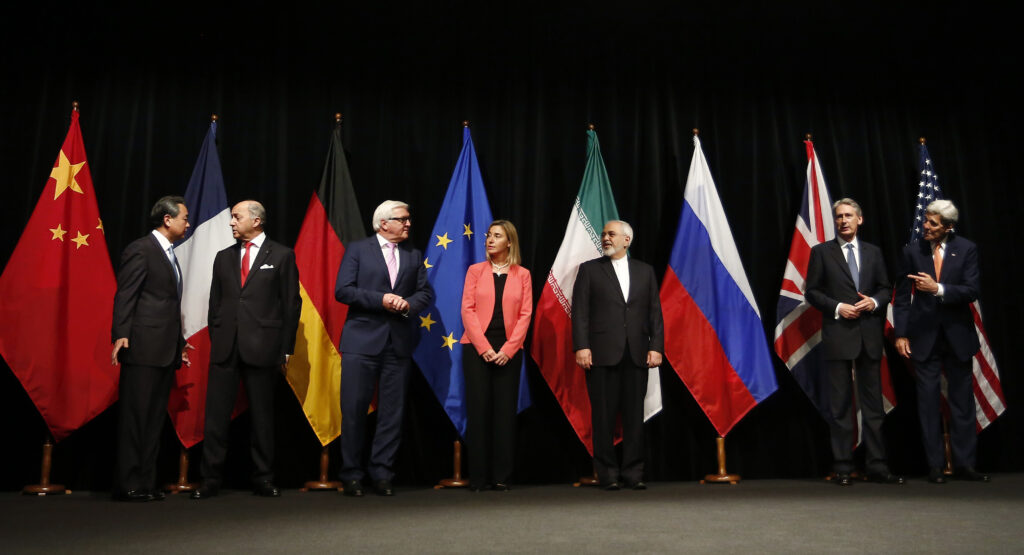
The role of the US in the deal and why did it withdrew from it lately
The United States of America had an integral role in the JCPOA (Joint Comprehensive Plan of Action) between Iran and the P5+1. The US imposed a weapons embargo on Iran and also urged the United Nations Security Council to transcend economic sanctions against Iran. It was the economic sanctions and the slowdown of the Iranian economy that endorsed Iran to start secret negotiations for the Nuclear Deal. In November 2013 Iran and P5+1 announced a deal that froze Iran’s nuclear program, in exchange for no new economic sanctions by the major power.
Everything was going smoothly and according to the plan until the US opted itself out of the deal in May 2018. The US withdrawal from the Iran Nuclear deal destabilizes the balance of power in the gulf region. The US, along with withdrawal, also re-imposed economic sanctions on the Iranian economy. Iran, in response to economic sanctions, announced that it will enrich uranium at more than five times the rate permitted under the Nuclear deal. The US withdrew from the Iran Nuclear Deal due to mounting pressure from the European allies.
The US plan to re-join the Nuclear deal and its impact on Middle-East
The US has recently shown intentions to re-join the Nuclear Deal with the change in administration. Joe Biden, the incumbent President of the US, has made his intentions clear to re-join the JCPOA. The President of the US has asked his Secretary of State Blinken to build a dedicated team to restart negotiations with Iran. The Biden administration has planned to appoint Robert Malley as the special envoy on Iran. Robert Malley was part of the team that initially signed the JCPOA with Iran.
The USA’s rejoining of the Nuclear deal could distort the peace in the Middle Eastern region. Israel and Saudi Arabia, the two close allies of the US, do not want the US to rejoin the deal. Both of them want to impose more pressure and even want to fight a war with Iran. But, with nuclear proliferation in the Middle Eastern region, the balance of power could be disturbed.
In a crux, the US should rejoin the Iran Nuclear Deal and keep a check on the uranium enrichment activities of Iran. Iran must not enrich uranium over 3.67 per cent needed for civil purposes.
To keep up to date with the latest commercial news, click on commercial to get your daily dose
Donate & Support