By Stefano Sciandra
Your commercial awareness dose
Many are the strategies implemented by governments worldwide to promote ownership of a property by first-time buyers, who are entering the complicated and expensive property market.
Governments, banks, and private agencies alike help newcomers by offering a huge array of incentives, such as mortgage reductions and low-interest rates. Buyers have to be eligible to access these sort of schemes and eligibility criteria differ from country to country, but in general require them to have a specific income, to be below of a certain age, and not to own a property.
The UK has many such schemes, which are provided by the government, and one of them is quite peculiar to the British market. The Shared Ownership scheme (SO), in fact, allows buyers, usually low to mid-income, to purchase only a share of a property. This equals to paying a mortgage only on the share you own and paying rent on the remaining shares of the house, owned either by housing associations or local councils. Another advantage is that the deposit is lower than the one asked when purchasing an entire property.
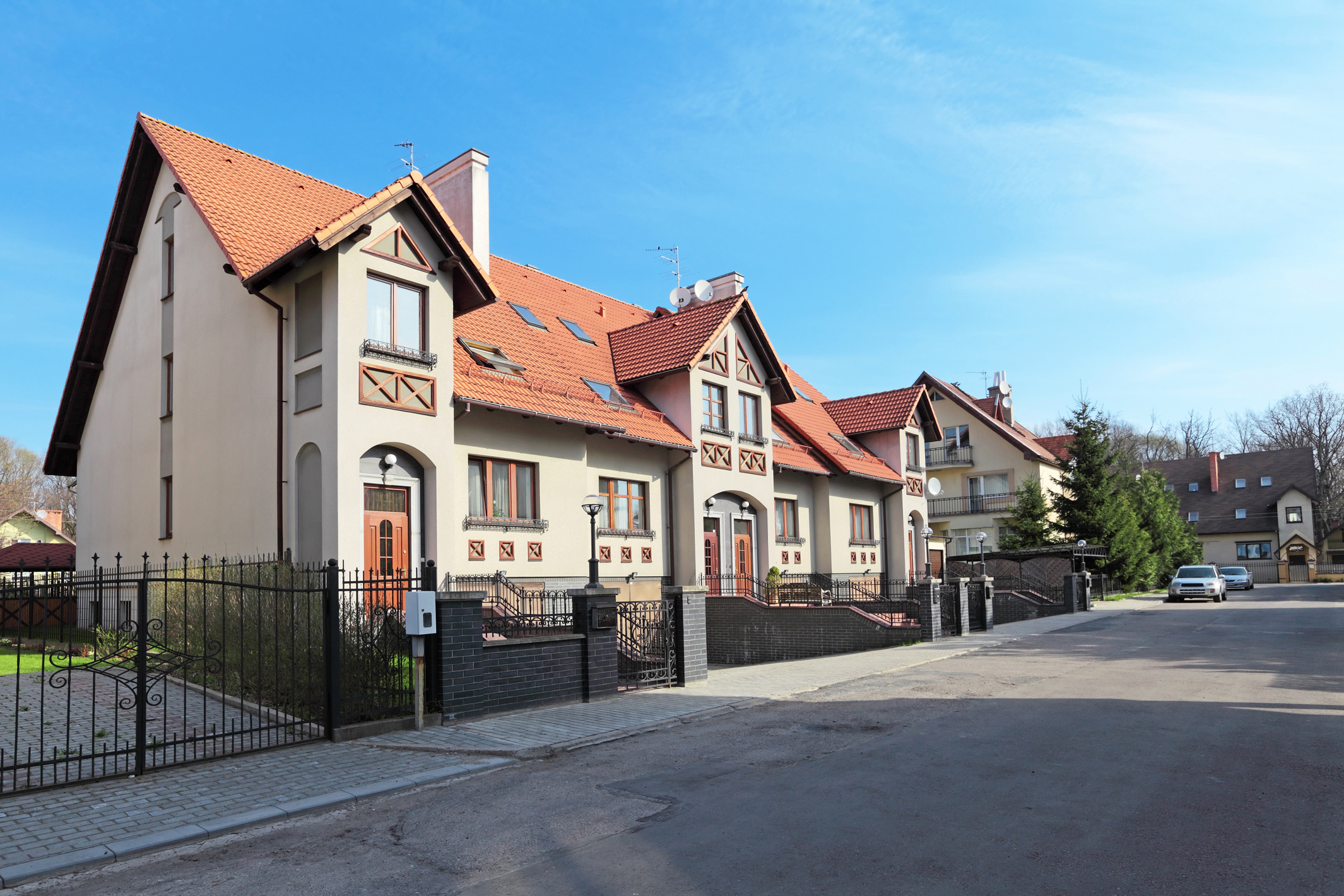
The Shared Ownership scheme grants its users both the possibility to buy from 25% to 75% of a property and then when the moment is right, buyers can buy out the housing association, own the full property, a process called “staircasing”. The current Help-to-Buy government scheme, which helps first-time buyers with equity loans, will end in 2023 and analysts predict that this will lead to an increased demand for Shared Ownership houses. To be eligible, a buyer has to be of at least 18 years old of age, to have a household income of £80,000 (£90,000 in London) and to demonstrate a good credit history.
Shared Ownership properties are usually leasehold properties and can often be found in private apartment complexes, as they are required for developers to get granted permission for development, in order to place affordable housing in very expensive locations. Such a scheme, also present in areas like Hong Kong, allows people to start their journey towards private ownership and possibly property market investing. However, it is not to be confused with social housing, which has different eligibility schemes and whose goal is to provide affordable housing to tenants, who rent from the government, which acts as the landlord of the property.
The US offers similar advantages to first-time buyers, but it doesn’t provide a government scheme comparable to the UK’s Shared Ownership. However, private entities, of which Unison, based in San Francisco and with operations in 22 states is the largest, providing homebuyers, who are not necessarily first-time buyers, cash in form of down payments. This result is a co-ownership of the property between the company and the purchaser, which means that if the buyer then decides to sell the house at an appreciated price, both players will get a higher equity return.
These type of programs, although helpful to increase buying power among lower-income household, are not meant to be equity loans. This means that there are not interests nor monthly payments, hence, they have to be considered as one of the many options available in Real Estate investing. Given that median prices in many US areas are rising, there seem to be intentions to implement a UK-like shared equity scheme. For instance, Unison is working with governmental entities on a pilot program, aimed at helping young professionals, with usually high student loans, become private property owners.
European countries provide all sorts of schemes and funds to help first-time buyers and have been implementing social housing for many years, although do not have something comparable to the UK’s SO scheme. You may read about shared ownership or fractional ownership in European or Asian markets, but these are to be considered as an option for luxury real estate investing. By investing a share of the total amount of a property, you become a co-owner and enjoy the same rights as the other co-owners. What you can do with your portion of the property, whether it is renting it out or selling it for a profit, depends on a country’s rules and regulations.
To keep up to date with the latest commercial news, click on commercial awareness to get your daily dose.
Donate & Support