By Lola Miller
Your commercial awareness dose
In 2016, the then Prime Minister David Cameron announced a national referendum as to whether the United Kingdom should remain a member of the European Union. This, in essence, had been a major fault line down the Conservative party; the referendum was an attempt to heal this rift.
There were many purported benefits of leaving the EU. Many so-called Brexiteers feel that the EU threatens the sovereignty of the UK – on subjects such as agriculture, copyright and patent law, and competition policy, the EU can override national law. Famously in 2016, former foreign secretary and current Prime Minister Boris Johnson advertised – on the side of London buses no less – that “we [the UK] send the EU £350 million – let’s fund our NHS instead”. These figures have now been disputed. It was perceived that the UK would be able to spend more money on internal issues and affairs.
Not only was there strong support for leaving the EU from far-right and conservative backgrounds, but also those from a left-wing perspective. The left-wing critique finds that the EU restricts more radical reforms and entrenches corporate, capitalist interests. Even Jeremy Corbyn, the previous leader of the opposition party Labour, has been known to criticise the EU.
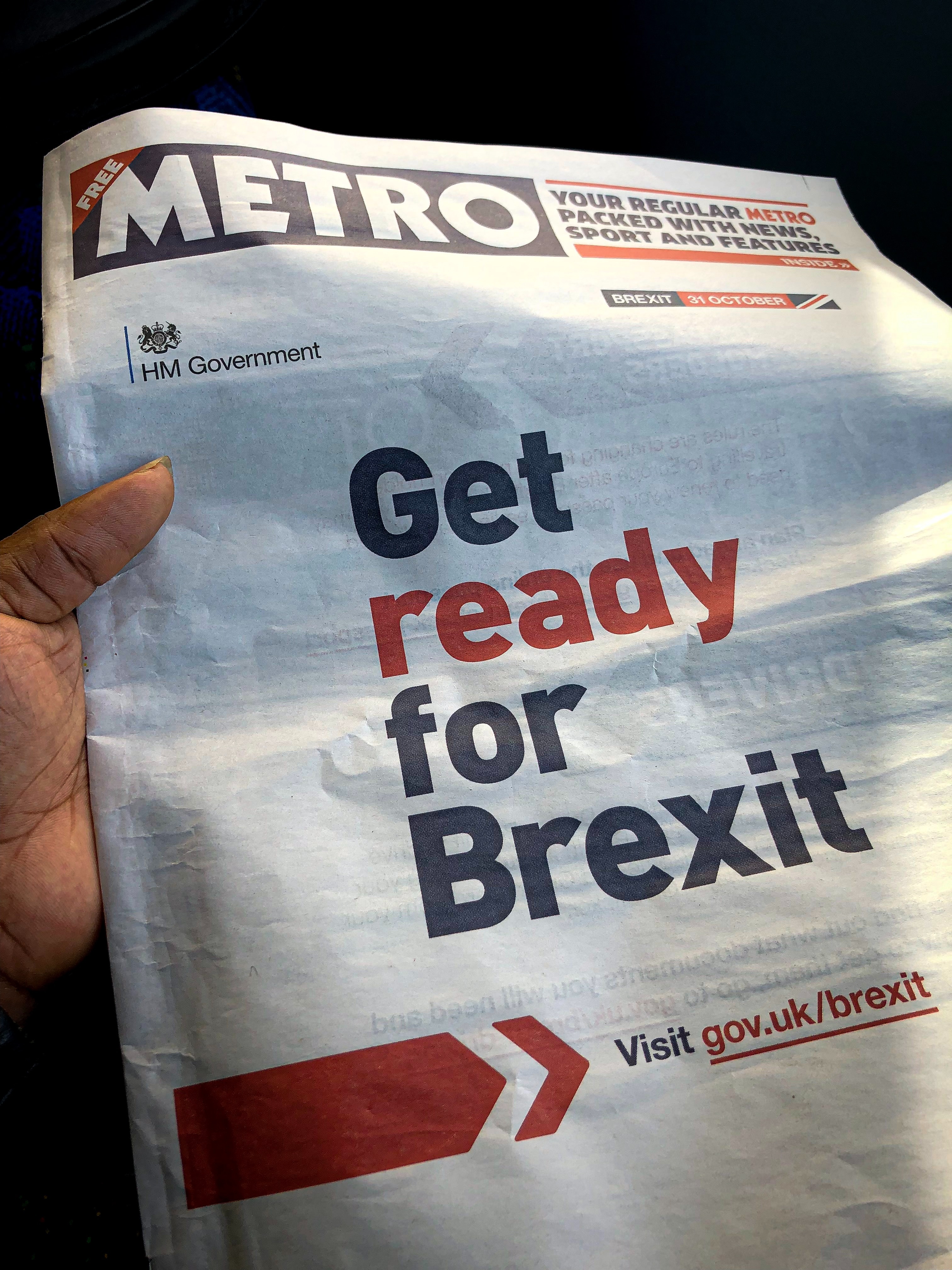
Those who were part of the Remain campaign argued that British access to free movement across Europe, alongside EU trading and investment, were all vital. Further, there were concerns that discourse surrounding the Brexit campaign was fuelled by racism and xenophobia, as many anti-immigrant sentiments spread through the media. Though certainly not from all quarters, it was notable; Jon Burnett, writing on research conducted by the Institute of Race Relations, cites an “explosion of racist violence” that followed the referendum announcement on the 24th June 2016. Indeed, the Metropolitan Police Chief Bernard Howard-Howe noted the 2,300 (plus) racist incidents reported to the police in the thirty-eight days following the announcement as a “horrible spike”.
Clearly, conflicting ideologies and motivations fed into the 2016 Referendum; we are only now beginning to see the impacts of Brexit, as an exit deal was finally brokered between the EU and the UK on the 31st December 2020. The exit deal in itself consists of, according to the BBC, over 1,000 pages of legal text. There are some essential points though, which will affect the ordinary UK and European citizens.
Many people have been concerned about travel; previously, UK nationals could enter other EU countries without a visa, as part of the free movement agreement. Now, citizens wishing to travel to the EU for over more than 90 days in a 180 day period must apply for a visa. UK citizens can still use their EHIC cards until they expire; following this, a new UK Global Health Insurance Card will be issued – although when these will become available has yet to be revealed. Further, there is nothing in the agreement which would hinder telephone companies from charging either UK or EU nationals for using their mobiles abroad.
Another loss for young British people under the new system is that they will no longer be able to participate in the Erasmus Programme, a Europe-wide exchange programme that has been running since 1987. Around 15,000 British University students took part each year. Boris Johnson claims that the UK has lost money through this scheme as more European students come to the UK than vice versa under the scheme, though this doesn’t address the cultural, linguistic and personal benefits that individuals may have gained from the scheme.
The Financial Times reported on the 4th of January that London’s financial sector had begun to “feel the full effects of Brexit” as “nearly €6bn of EU share dealing shifted away from the City”. It will perhaps be difficult to separate the economic ramifications of Brexit from the ravaging we have faced under COVID-19. The drawn-out process that UK nationals have endured in waiting for Brexit to be delivered has now ended: The full impacts of Brexit, however, whether beneficial or detrimental, have yet to be fully realised.
To keep up to date with the latest commercial news, click on commercial awareness to get your daily dose.
Donate & Support
1 comment
[…] in a world of increasing social mobility and equal opportunity. Or so was the case before Brexit marks the stance of the […]