By Rebecca Shields
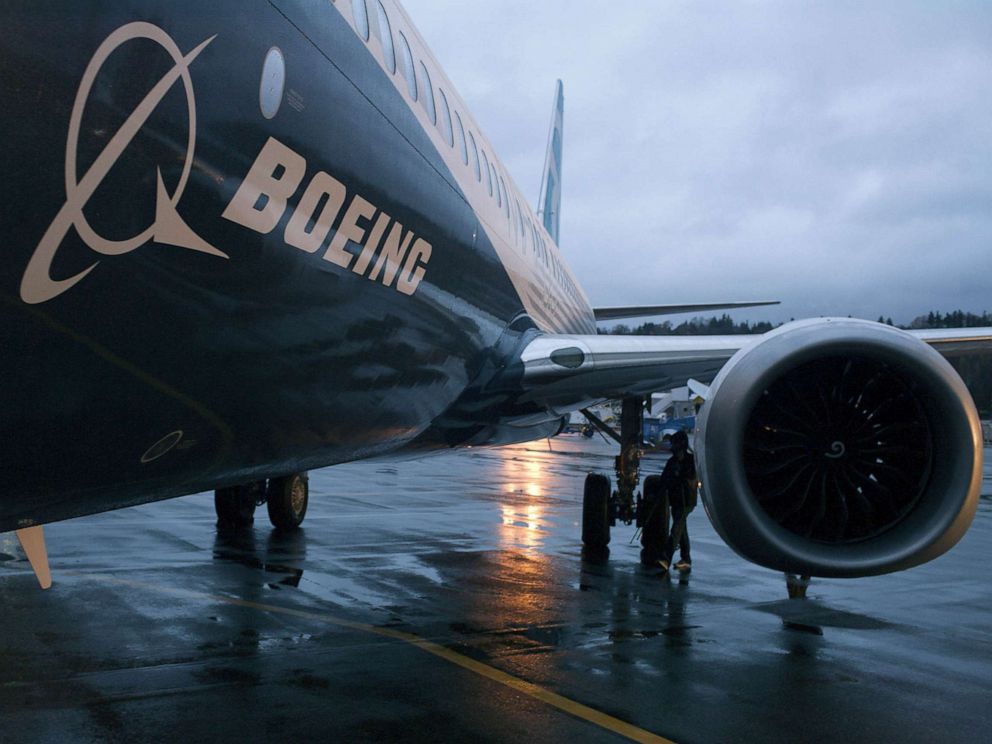
It seems in recent years the images and thoughts we associate with Boeing Airplanes are of unexplained crashes and tragedies. This week, two weeks after another Boeing 737 plane crash, the focus is on the company’s new environmental pledge and the news that the EU has confirmed it will allow Boeing’s 737 MAX aircraft line to resume flight following an almost 2-year ban of the planes.
Return of the 737 MAX
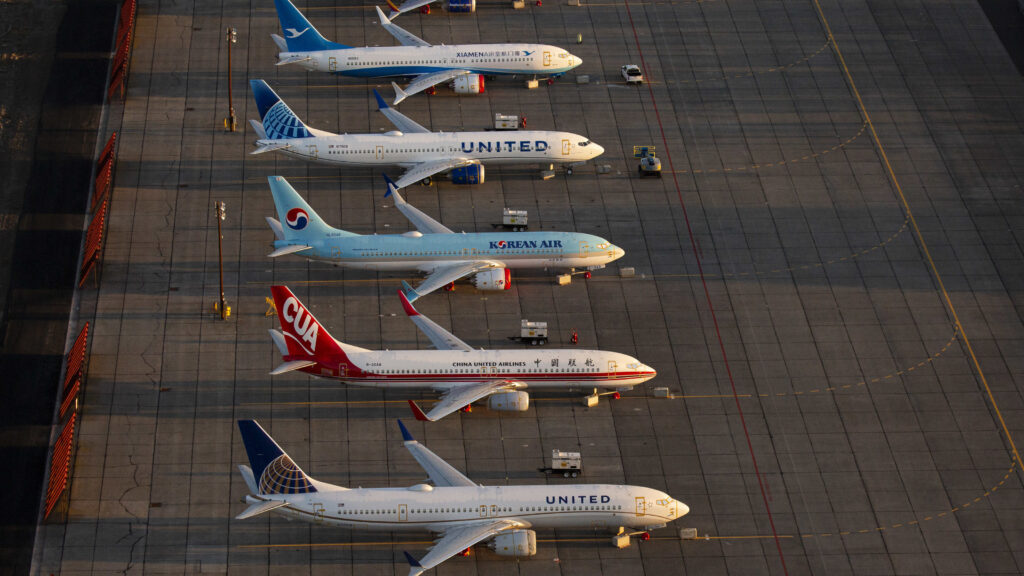
Over the last 3 years, there has been 2 major plane crashes reported that featured a Boeing 737 MAX as the aircraft in use. These tragedies resulted in the Boeing 737 MAX being grounded for nearly 2-years and opened the market further to Boeing’s competitors. The EU is set to join the US and other countries in resuming deliveries of 737 MAXs. Combined with an increase in air travel following the worldwide distribution of the Covid-19 vaccines, Boeing could make a solid recovery following a horrendous financial year.
The Covid-19 effect
Like many other companies, the global pandemic caused mass disruption for Boeing. 2020 saw the worst recorded quarter ever for the aerospace industry and for Boeing this was no different. In Q3 of 2020 Boeing saw their profits come in at £715 million, compared to the £877 million profit in Q3 of 2019, resulting in a loss of more than £162 million. There have been reports over the last couple of months of mass redundancies at Boeing, with the company itself reporting expected losses of 30,000 jobs.
Here comes Airbus
This stress is not shared by one of Boeing’s main competitors, Airbus. In 2020, Airbus delivered 566 aircraft, 6 more than its original target. Their narrowbodies range of A320s and A220s were their best sellers, accounting for 484 of the aircraft they sold. In comparison, Boeing only delivered 157 aircraft for 2020, their worst recorded year since 1977. This was in part due to their focus on delivering cargo aircraft and ignoring the industry demand for narrowbodies. The continued controversy over the 737 Max saw over 640 aircraft orders cancelled.
The Tariff Dispute
But it’s not just in sales figures that animosity lies between these two aerospace giants. Currently Airbus and Boeing are in the midst of a heated dispute over tariffs. In fact, the issue has gotten so serious, the US government and the EU have had to enforce tariff-based countermeasures on both companies. Resulting in tariffs of 15% for both Airbus and Boeing.
The Green Future
Elsewhere Boeing is looking to the future. Earlier this week Boeing announced they will start selling planes that can be run on 100% biofuel by 2030. This new initiative is part of the broader aerospace industry’s goal of reducing carbon emissions by 50% by 2050. Currently, commercial flying makes up 2% of global carbon emissions and 12% of transport emissions. This goal is not unrealistic as Boeing has some experience in the renewable energy sector. In 2018 Boeing produced the world’s first commercial flight using 100% biofuel for a FedEx Corp 777 freighter.

Will Boeing Bounce Back?
There is no clear answer to this. The return of the 737 Max to markets will help bolster Boeing’s sales. As will the worldwide distribution of the Covid-19 vaccine. More people flying will equal more aircrafts needed and therefore more sales. However, vaccine distribution is a slow process and whilst it indicates a return to normality, that normality is still far away. For Boeing, they will have to be patient in 2021 and hope their patience pays off.
To keep up to date with the latest commercial news, click on commercial to get your daily dose
Donate & Support