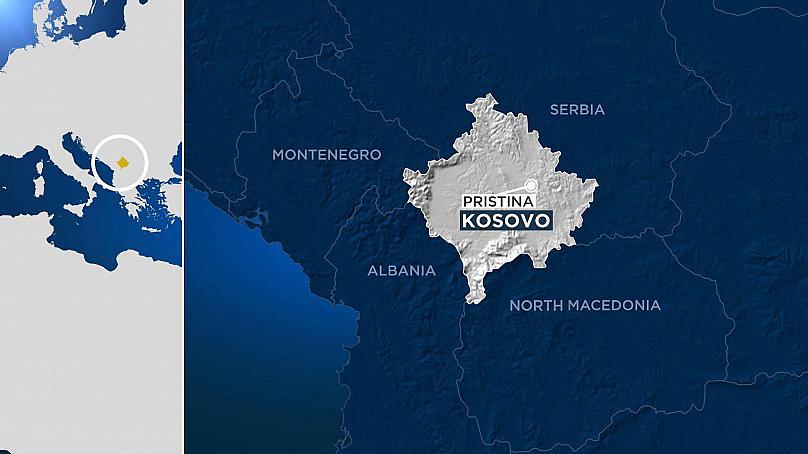
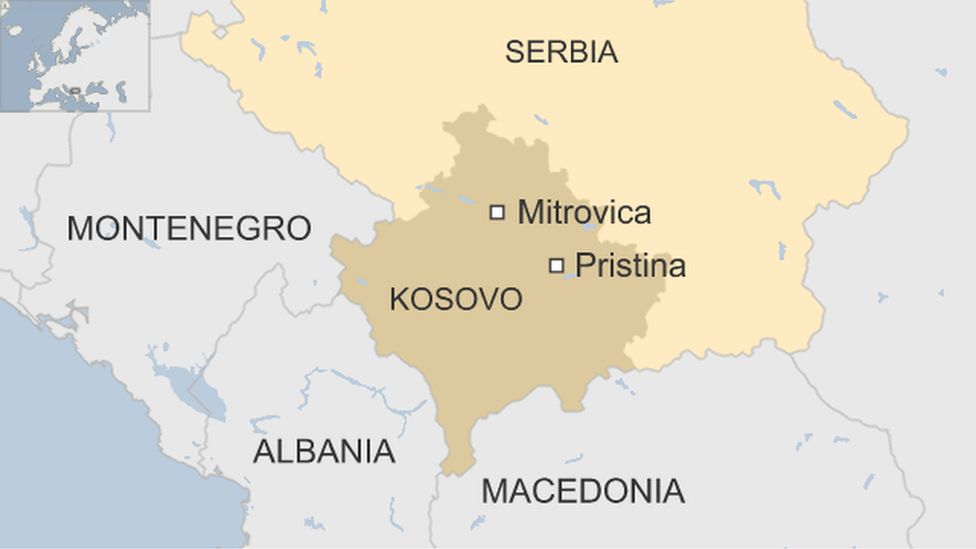
Kosovo, a country that is most likely recognised for being one of the youngest states in the world is also a country that is still defined by turbulence and instability. The remnants of the 1999 war, a conflict that was an attempt by Serbia to ethnically cleanse Kosovo’s Albanian population still impact the young state and its citizens. After the end of the war, the country was taken over by former guerrilla fighters that fought to liberate Kosovo from Serbia.
The former army known as the Kosovo Liberation Army (KLA) took primary seats in Kosovo’s government, with Hashim Thaci, a prominent member of the KLA taking on the position of prime minister. However, the post-war government was known more for its corrupt activities and abuses of power than its ability to successfully rebuild a post-conflict state. This delegitimised Kosovo in the eyes of the international community. Its ability to build a strong, lawful state came into question with organisations like the European Union unable to award Kosovo membership.
Kosovo’s domestic issues invited even more scrutiny with rising unemployment, continued dependence on external actors and unresolved issues with Serbia all contributing towards its waning image. 2019 however marked a significant shift in the country’s trajectory. It saw Albin Kurti, the leader of Vetvendosje, the opposition party triumph in the country’s general elections. Vetvendosje, a democratic, socialist party vowed to create a more prosperous, thriving society going forward. However, this air of optimism didn’t last long as a vote of no-confidence effectively dissolved Kurti’s government supposedly due to a pandemic related dispute, although many speculate that the dissolution of his government as an excuse to undermine the party’s power.

Once again Kosovo’s future was in jeopardy until February of this year when another general election was called. Kurti once again emerged victoriously and six months later the government still appears to be intact. However, although Kosovo does seem to be heading in the right direction, does this mean it will finally be able to overcome its past? This new government has arguably inherited issues created by previous governments and Kurti has been considered to be stubborn and unwilling to compromise when approaching these matters. This has inevitably cast doubts on Kosovo’s future and whether it can appease the EU enough to formally join Europe.
To keep up with the latest commercial news, click on commercial to get your daily dose.
Donate & Support