Introduction
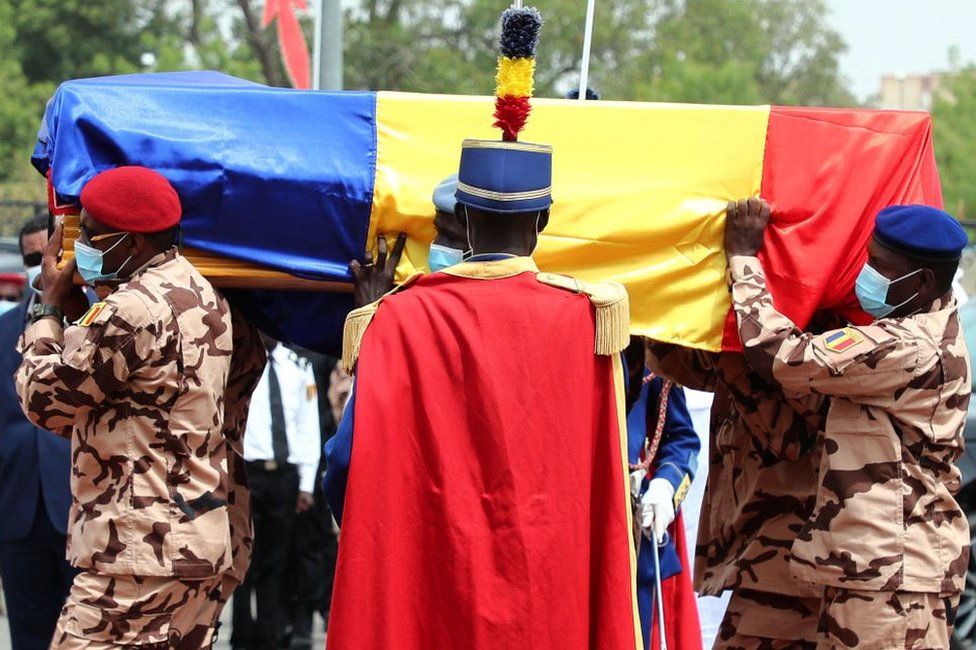
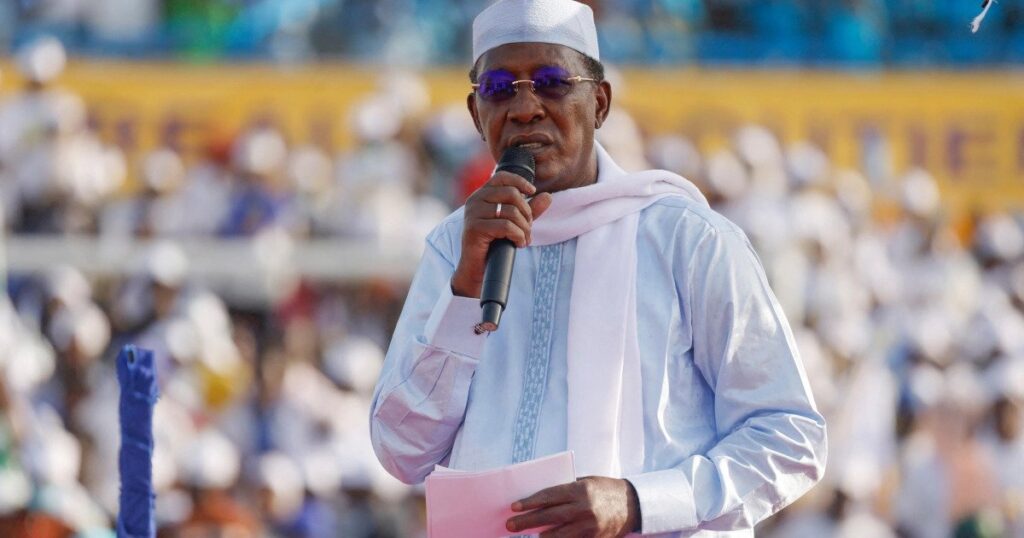
Last 20th of April, Chadian President Idriss Déby died from the wounds suffered during clashes with rebel factions in the northern part of the country. The African head of State had been ruling the fate of the country since he took power after a military coup in 1990.
He had been reelected only a few hours before, for the sixth mandate in a row. After his death, the power has been assumed by a military junta headed by his son Mahamat Idriss Déby. However, the succession of the deceased leader is going to be far from easy: family rivalries, civilian demands for a real and greater democracy and an armed conflict ongoing, in one of the impoverished nations in Africa.
A difficult history
Chad has had a very troubled history since its independence in 1960, from France. The country suffered several armed conflicts and coups during the second half of the XX century. A long and bloody civil war erupted in 1965 after a Muslim rebellion, and the collapse of the country in 1975 led to an invasion by Libya. Backed by France, Chadians could leave apart their differences and unite against a common enemy, defeating Gaddafi’s Army in 1987.
However, General Hissene Habré’s rule was far from peaceful, with multiple violations of Human Rights. Habré was deposed in 1990, by his former chief military advisor, Idriss Déby, who had headed a rebellion against his dictatorship. Déby assumed power and was elected in 1991.
With an authoritarian style and backed by France (Chad has been a key ally in French military operations against jihadism), Déby has faced several armed rebellions and attempted coups, but had managed to stay in power for almost 31 years.
This week was re-elected for the sixth time, but only a few hours of being confirmed as the victor of the elections (that were boycotted by the majority of the opposition, accusing him of fraud), President Déby was deadly wounded while he was leading Chadian troops against the rebel army Front for Change and Concord in Chad (FACT).
The future
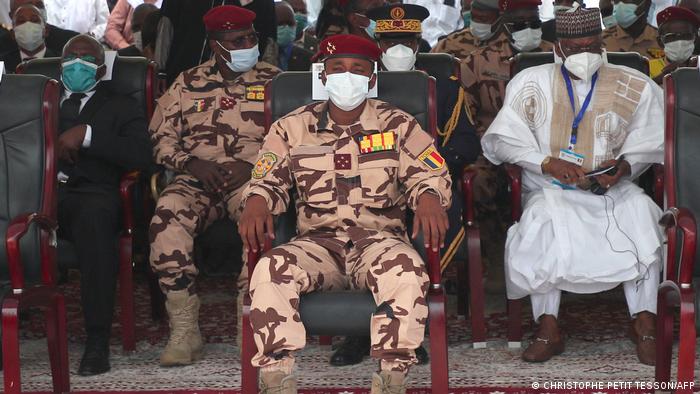
Déby has been succeeded by a military junta known as Transitional Military Council, headed by Déby’s son, general Mahamat Idriss Déby. The Council’s goal is to lead the country through a transitional period of 18 months. However, he will have to face several divisions and feuds with factions of the military, and even inside his family. Mahamat has a long rivalry with his step-brother, Zakaria, ambassador to the UAE.
Their rivalry is well-known among the Chadians: in 2020, their father appointed her wife to take care of the presidency while recovering from an illness, instead of choosing one of his sons. There are also rumours of a shoot-out taking place inside the presidential palace between both brothers last week.
Zakaria is not the only family member that could challenge Mahamat’s power, but the internal fight for the presidency is not only a family issue: Veteran General Abderamane Dicko has denounced the new Council and has urged for a strong and inclusive executive power.
Apart from that, the conflict against rebel FACT is still ongoing. FACT have been endorsed by another rebel group but offered a ceasefire for a dialogue. However, the talks were rejected by Mahamat, and the fight will continue.
Meanwhile, protests against the new council erupted last Tuesday. Thousands of civilians marched through the country’s capital, N’Djamena, demanding democracy and freedoms. French flags were burnt and civilians clashed with the police, leaving at least two dead and several wounded.
Chadian civil associations and the Lawyer Bar Council of Chad have rejected the new council. Civil groups of Chad have also asked the United Nations and the African Union to take charge of the transitional period. The situation is worsening in a country that, unfortunately, has a long history of conflict and tension And, as usual, the civilians will be those who suffer the consequences.
To keep up with the latest commercial news, click on commercial to get your daily dose.
Donate & Support