The Cyberspace Administration in China (CAC) has been cracking down hard on businesses and entrepreneurs within the country over the past months. Major tech companies such as Alibaba, Didi, and Tencent are under investigation for a series of regulatory issues.
The state market supervision administration announced on Christmas eve last year, that an antitrust investigation into Alibaba Group Holdings Ltd would be launched over suspected monopolistic behaviour.
China’s biggest e-commerce giant was accused of preventing merchants from selling on other platforms and was also in question regarding the data and algorithms they used which was said to give them an “unfair competitive advantage.”
The company was issued a $2.8 billion fine for breaching anti-competition law.

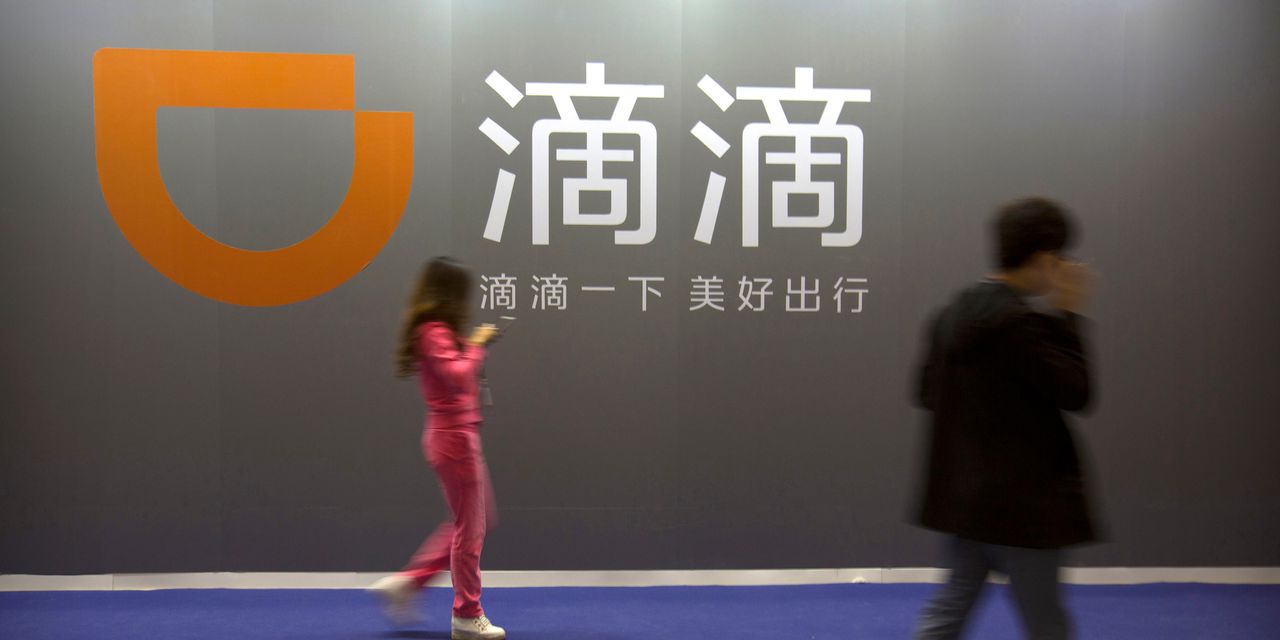
Just two days after Didi (China’s ride-hailing services company) began trading on the New York stock exchange, the CAC announced an investigation on the organization to protect national security and public interests.
Didi offers a wide range of services in China and across 15 international markets. The organization gathers vast amounts of real-time mobility data every single day which is used for autonomous driving technologies and traffic analysis, among other things.
The CAC is looking to conduct a comprehensive examination of the cybersecurity risks associated with the data collection at Didi.
Tencent is facing penalties due to not properly reporting past acquisitions and investments in addition to anti-competitive practices.
So what is this clampdown really about?
According to the dean of the Institute of Finance at Zhejiang University, Jinchuan Shi: Hi-tech firms and online platforms have often used their economic influence to openly question and influence the country’s economic policies.

In recent months, China has attempted to suppress the economic and social power of its previously loosely regulated hi-tech giants. Supported by President Xi Jinping, these investigations represent a significant political and economic declaration of anti-monopoly corporate behaviours.
China is currently in the process of implementing new regulations in three key areas: restraint on monopolies, governing fintech firms and protecting data privacy. The Cybersecurity Law, Data Security Law and the Personal Information Protection Law are all results of this effort.
Recently, firms that have listed or prepare to list in the US have been targeted to go through a cybersecurity review before listing overseas. The idea is that tech companies must first comply with local regulations before going abroad.
This undoubtedly poses a threat to the way China’s tech sector has historically grown and will likely influence investor confidence and potentially even China’s development goals in the following years.

China’s tech stocks have already lost over $800 billion in combined value since February. In recent weeks, several Chinese tech firms have decided to put a plug in their U.S. IPOs.
Despite the negative consequences of increasing regulations, like several other nations, China has realized that data is highly valuable and requires explicit rules to govern how it is collected, stored and shared.
The country’s digital economy made up 38% of China’s GDP in 2020, and that amount is projected to grow to 55% by 2025
As traditional drivers of China’s growth slow, data (a primary driver of the digital economy) will become even more vital, making stronger regulations a good long term investment for the country.
To keep up with the latest commercial news, click on commercial to get your daily dose.
Donate & Support