Your commercial awareness dose
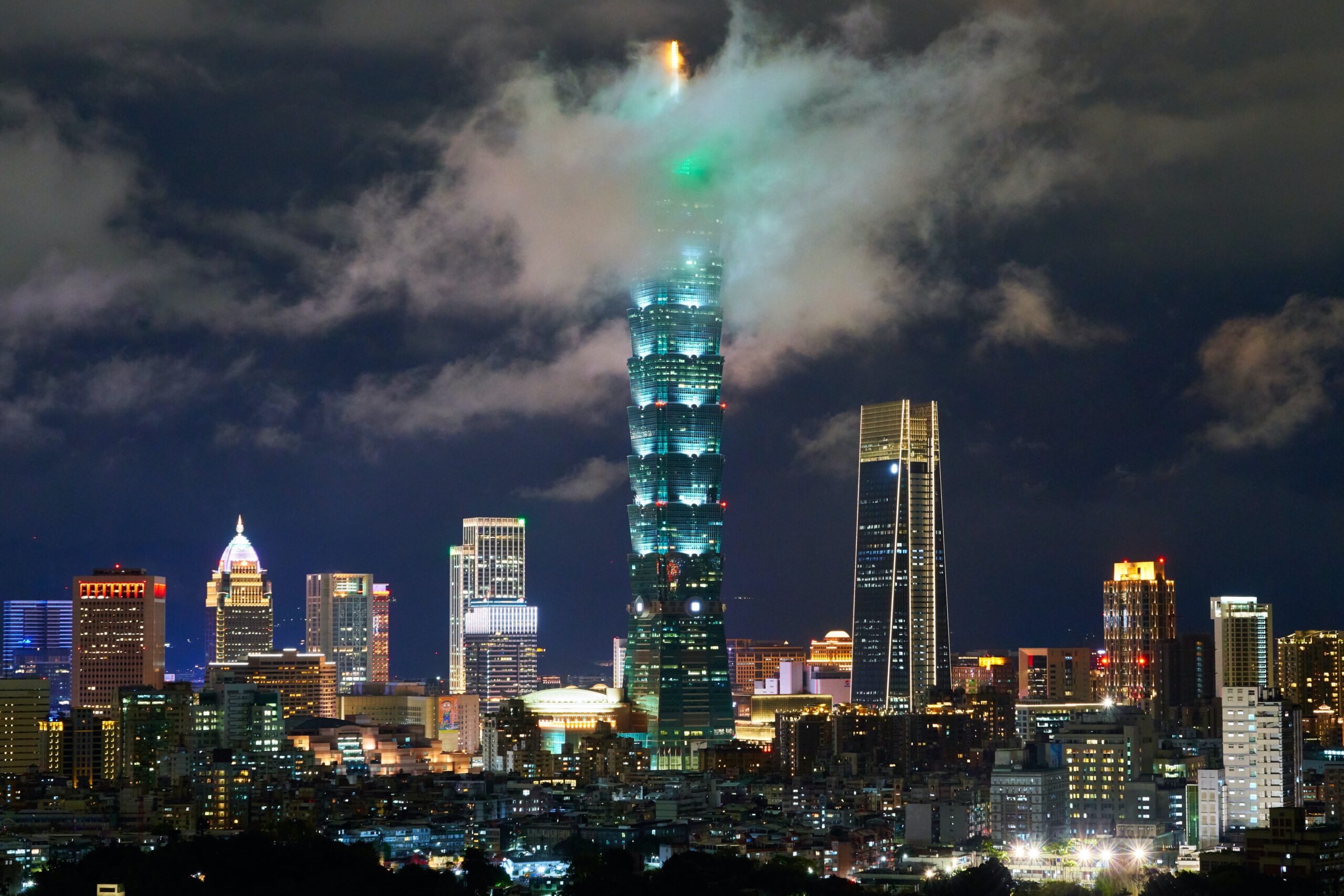
Last Saturday, China conducted what has already become normality, a daily flight over waters between Taiwan and the mainland in the South China Sea. Regularly, it was just one or two aircraft, but this time eight provocative Chinese nuclear-capable bomber planes and four fighter jets entered Taiwan’s air defence identification zone. China, which claims Taiwan as its territory, has been doing so for months, sending nothing but a clear message to the new elected POTUS Joe Biden not to interfere in Chinese affairs.
Democracy Is Born
During the last decades, the cross-Strait relationship could be characterized as deterrence, where the PRC, most known as China, tries to deter ROC, most known as Taiwan, from moving towards formal independence. After the derecognition of Taiwan in 1979, Taiwan has started the democratization process. The potential support of other developed democracies, including the US, was a decisive argument. Nowadays Taiwan has independent diplomatic relations with 15 countries and substantive ties with many others as well as a promising developing economy.
Why Taiwan Matters To China
Looking from China’s perspective, incorporating Taiwan to the mainland is justified, whereas the existence of Taiwan as a separate state is not – both sides of the strait agree that Taiwan and the mainland were part of one same political body. But there are also more complex reasons. Firstly, the issue over unification is a big question mark on the Communist Party: the fall of communism worldwide and existing regional issues challenge the effectiveness of CCP. The second reason is the island’s strategic location.
Taiwan is a giant aircraft carrier in the East China Sea, that strategy can be important to both, the Chinese mainland and the United States. If the island is controlled by the mainland, its position would give a strategic advantage to China over any country that would decide to exercise its power in the region including the US; but if the island is controlled by the US, the US can easily deter China from an explosion in the area, plus backing up US allies.
The Role Of The US
U.S. policy so far has been focused on avoiding military conflict between the two sides of the Taiwan Strait, not directly supporting Taiwanese independence and at the same time opposing the change of the status quo by force from China’s side. Arms sales to Taiwan on the other hand, signal some level of US commitment to the island and in fact, are increasing the confidence of both sides that the US is likely to intervene in the conflict if there is one.
The Trend To Promote Democracy
There are clear pieces of evidence that the US not only account on Taiwan as strategically but also creates the image of Taiwan as a good friend of America. For instance, an increasing part of Americans says they would support sending US troops to defend Taiwan if it was invaded by China (41 per cent).
Another example is that on 28 Feb, 2018 the U.S. Senate has passed the Taiwan Travel Act without amendment, unanimously expressing “the sense of Congress that the U.S. government should encourage visits between U.S. and Taiwanese officials at all levels.” Accordingly, the top-ranking Taiwanese representative in Washington, Bikhim Hsiao, was invited to the inauguration of Biden, ending four decades of shunning Taiwan at the ceremony.
Those few notions could be explained by the US trend to promote democracy, the only true system of governance according to American values. If Trump didn’t bother Xi Jinping much, on the contrary, it did not take long for Biden to response on the aggression. The State Department issued a statement calling on China to cease the pressure against Taiwan, declaring that the US’s “commitment to Taiwan is rock solid.”
What Is Next?
Taiwan’s democracy is troublesome for China in case of both, unification and official independence. In the first case “Taiwan’s status as a Chinese democracy can be a powerful force for liberalisation on the mainland”, a strong ideological flavour which autocratic party would not like to deal with; in the second case, if Taiwan declares independence, it could set a dangerous precedent for all the disorderly regions in the mainland as Hong Kong or Macau.
Considering the commitment of the new US government, it is preferably for China to tolerate status – quo of Taiwan. Yet, Beijing, with its shows of airpower, has made its statement clear; regimes that say they want war almost always find one.
To keep up to date with the latest commercial news, click on commercial to get your daily dose.
Donate & Support