By Suyeba Aslam
Your commercial awareness dose.
For many investors all over the globe, investing in China had likely been on their agenda for quite some time. However, due to many factors such as social, political and even economic, investors and traders now find the topic of trading in China to be quite controversial.
To find out why investing in China may be controversial and a confusing theme for those interested in finance, read on to find out…
Globally many people own stocks and shares within mainland China’s stock market. However, this is now becoming a controversial matter as the Chinese stock market is continuously evolving and is “underrepresented in global indexes” according to CNBC. As global uncertainty escalates alongside the demand for wider access to global markets- more businesses are now investing in the more sensitive industries of China such as the financial and technical markets.
Another risk which can make investing in China controversial is because it is a serial victim of trade wars. According to Investopedia.com, the definition of trade wars is “when one country retaliates against another by raising important tariffs of placing other restrictions on the other country’s import.” The aftermath of a trade war can be very damaging as the initial trading relationship and economy may be effected between the two countries in the nearby future.
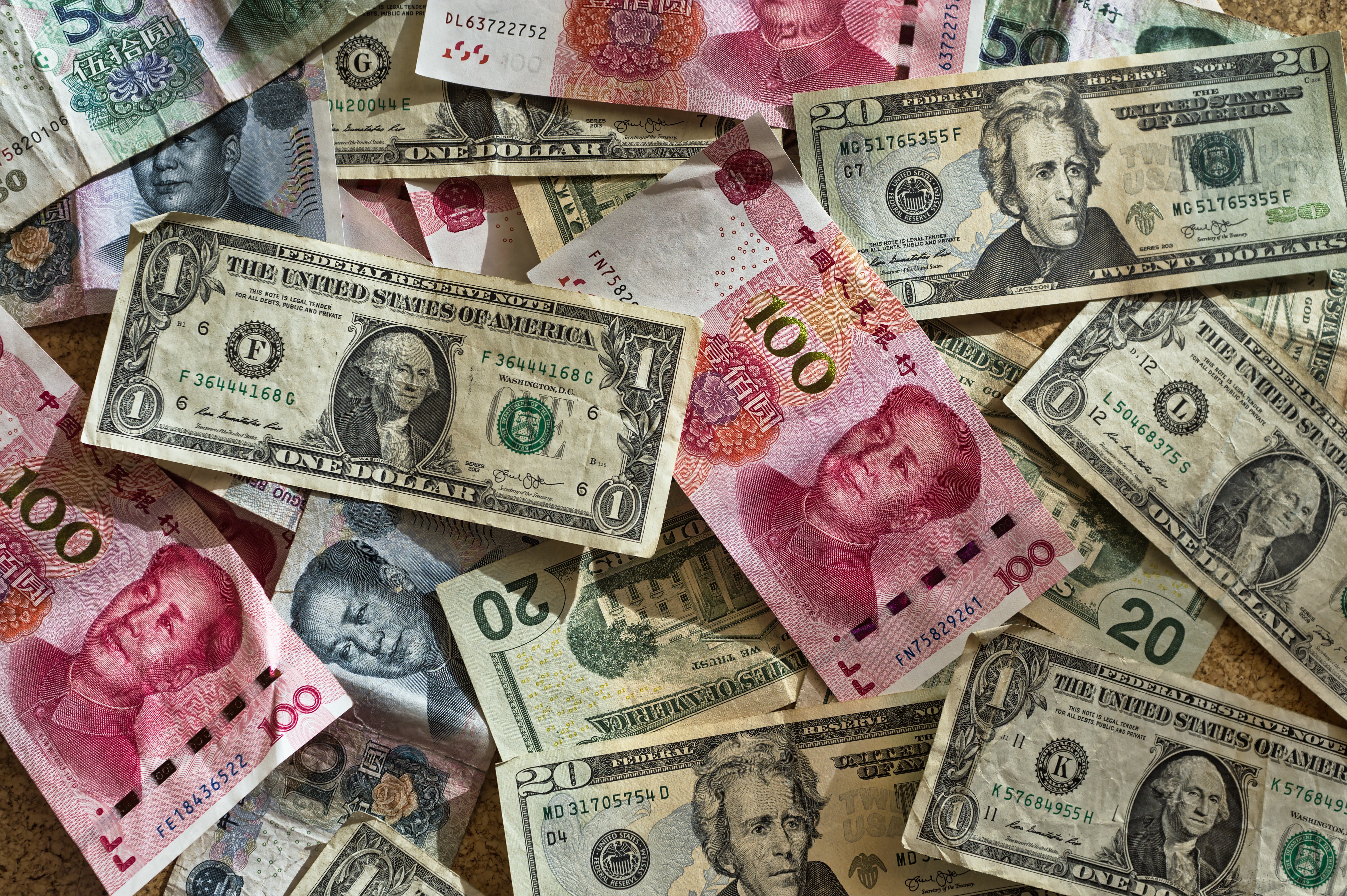
A prime example of a recent trade war is between China and the United States. Ongoing disputes had shown the two countries going head-to-head whilst they both continuously impose tariffs on hundreds of billions of dollars’ worth of one another’s goods. The trade war had begun when ex-US President Donald Trump had accused China of trading unfairly and intellectual property theft. Meanwhile, in China, there is the belief that the US is trying to prevent the Chinese economy from gaining global economic power.
Due to the COVID-19 pandemic this year, fears of fraudulent activity have also heightened. As a majority of import and export is from China and the rest of the Asian world, businesses have been encountering a lot of economic pressure to turn in a high number of profits. This meant that many businesses had begun gatekeeping certain information. Alongside economic pressure, there was also the social fear due to many people now working from home- this meant that there was a lack of security and an open invitation to cyber-attacks.
For those of you who are interesting in investing in the Chinese stock market- the easiest way to do so is by beginning in a broad market index which consists of low-cost ETFs. Within the Chinese stock market, there are 11 different types of indices that are tracked by the ETFs, which the stocks are broken down into three different categories: Chinese A-stocks, Chinese B-stocks and Hong Kong H-stocks.
A-stocks also is known as A-shares, they are shares of Chinese companies which are collectively listed in the Shanghai or Shenzhen stock exchange. These forms of shares are traded in the local yuan or renminbi currency. B-stocks or B-shares are also stocks of Chinese companies on the Shanghai or Shenzhen stock exchange but are instead traded in foreign currencies.
Lastly, Hong Kong H-stocks also known as H-shares are stocks of Chinese companies that are listed on the Hong Kong stock exchange, in which they are traded in Hong Kong Dollar. When investing and trading, it is necessary to be able to differentiate between the three. Whilst all three are open to foreign investments, the lack of restrictions on A-shares means there is a potential of losing liquidity, whereas for most institutional investors H-stocks are a preferred choice due to their high liquidity.
Just as trading from home can be a big gamble, trading and investing abroad there are also many risk factors attached such as foreign-exchange risk. Therefore, it is very important that before beginning investments in countries such as China that you understand all types of currency movements as transactions may usually vary between Chinese Yuan and US Dollar. Furthermore, you need to be aware of your surroundings by placing your funds strategically so that you are able to successfully participate in China’s economic growth.
To keep up to date with the latest commercial news, click on commercial awareness to get your daily dose.
Donate & Support