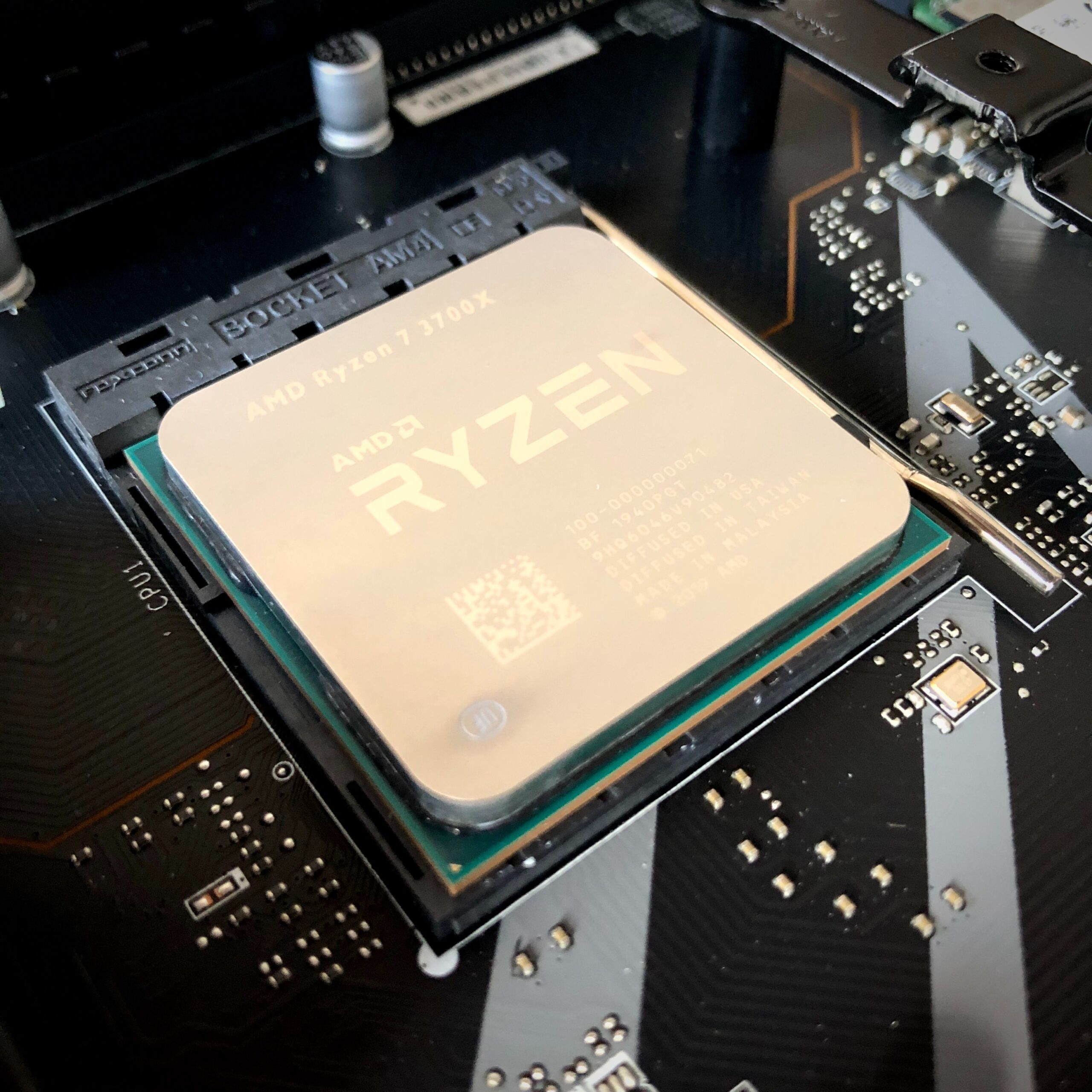
There is no doubt that semiconductors are a critical part of the modern world. Their use ranges from sending emails to complex military operations like launching fighter jets. We are amid a global shortage, the impacts of which will be felt in almost every industry.
1.Why did this happen?
The chip shortage has been building since last year due to supply chain issues. The reasons for the issues within the supply chain are yet another fatality of COVID-19. As the world was ordered to remain indoors, demand for new electronics increased. COVID-19 saw consumer habits change and demand for both electronics for leisure, such as game consoles and TVs, and electronics for working from home, such as laptops and mobile phones, soared. This growing demand led to over 10% growth in the PC space for 2020, as well as tablets having their strongest demand since 2015, with over 160 million units sold in 2020.
2.The Automotive Industry
One sector that has been hit particularly hard by the chip shortage, was the automotive industry. At the same time that demand for electronics soared, COVID-19 saw a drop in vehicle sales in spring 2020. Automakers scaled back on chips that are needed for a range of functions within vehicles – some examples include mobile phone integration and autonomous driving aids. Electronics account for roughly 40% of a car’s value according to a comprehensive analysis from Deloitte. Chips are of particular importance for electric vehicles, sales of which are on the rise.

For 2021, forecasts are expecting a growth of demand for new vehicles to jump around 10%. This was unexpected and was spurred on by a change in consumer habits. Fears of boarding public transport meant that consumers were eager to buy new vehicles. When demand for vehicles began rising, chip manufacturers were already committed to supplying their big customers in electronics and IT. The shortage could lead carmakers to face more than $14 billion in lost revenue in the first quarter and some $61 billion for the year.
General Motors announced at the start of February that it would be shutting down four plants until mid-March due to the chip shortage. It announced on Wednesday, that it would extend the shutdown at two of the plants until mid-April. Ford Motor said the situation could lower its earnings by $1 billion in 2021. Honda Motor and Nissan Motor combined expect to sell 250,000 fewer cars through March due to the shortage.
However, there appear to be some brighter predictions from an industry expert. On Monday, Oscar Albin, President of Mexico’s National Auto Parts Industry (INA) said that a shortage of semiconductors for car manufacturers in North America could end by mid-year, but that this will cause a drop in vehicle production.
3.How is the world responding?
It is expected that the chip shortage will last well into 2022. This is because the demand for chips is not likely to slow down. Many countries are adopting their measures to combat the shortage, but it seems that the main approach is to detach themselves from China’s supply chain and invest in domestic manufacturing.

Last month, Joe Biden stated that Congress needed $37bn to address the chip supply needs in the short term. Following this, the President of the United States has put into place an executive order to tackle the chip shortage. In this order, he has signed off a 100-day review of critical US supply chains, as well as identifying gaps in the supply chains with China. The executive order will have as its aim to direct purchasing towards domestic technology manufacturing.
In the EU, a similar approach has been taken. Last month, Germany has predicted a chip investment of up to 50 billion euros in Europe which would support the local production of technology hardware. The EU has been laying out plans to research, engineer, and manufacture digital technologies in Europe in an attempt to detangle itself from supply chains in China.
European companies are particularly vulnerable to the chip shortage. This is because there is a “high-risk dependency” on East Asian and US semiconductor manufacturers due to an absence of chipmakers in Europe. The EU aims to produce a fifth of the global output of cutting-edge semiconductors by 2030.

As for the UK, the government has yet to respond to the crisis directly. However, Britain’s biggest microchip factory plans to cash in on a global semiconductor shortage by raising more than £50m to nearly double production. Newport Wafer Fab, in South Wales, said it would use the investment to raise production levels to 14,000 wafers a week, up from 8,000 today.
To keep up with the latest commercial news, click on commercial to get your daily dose.
Donate & Support