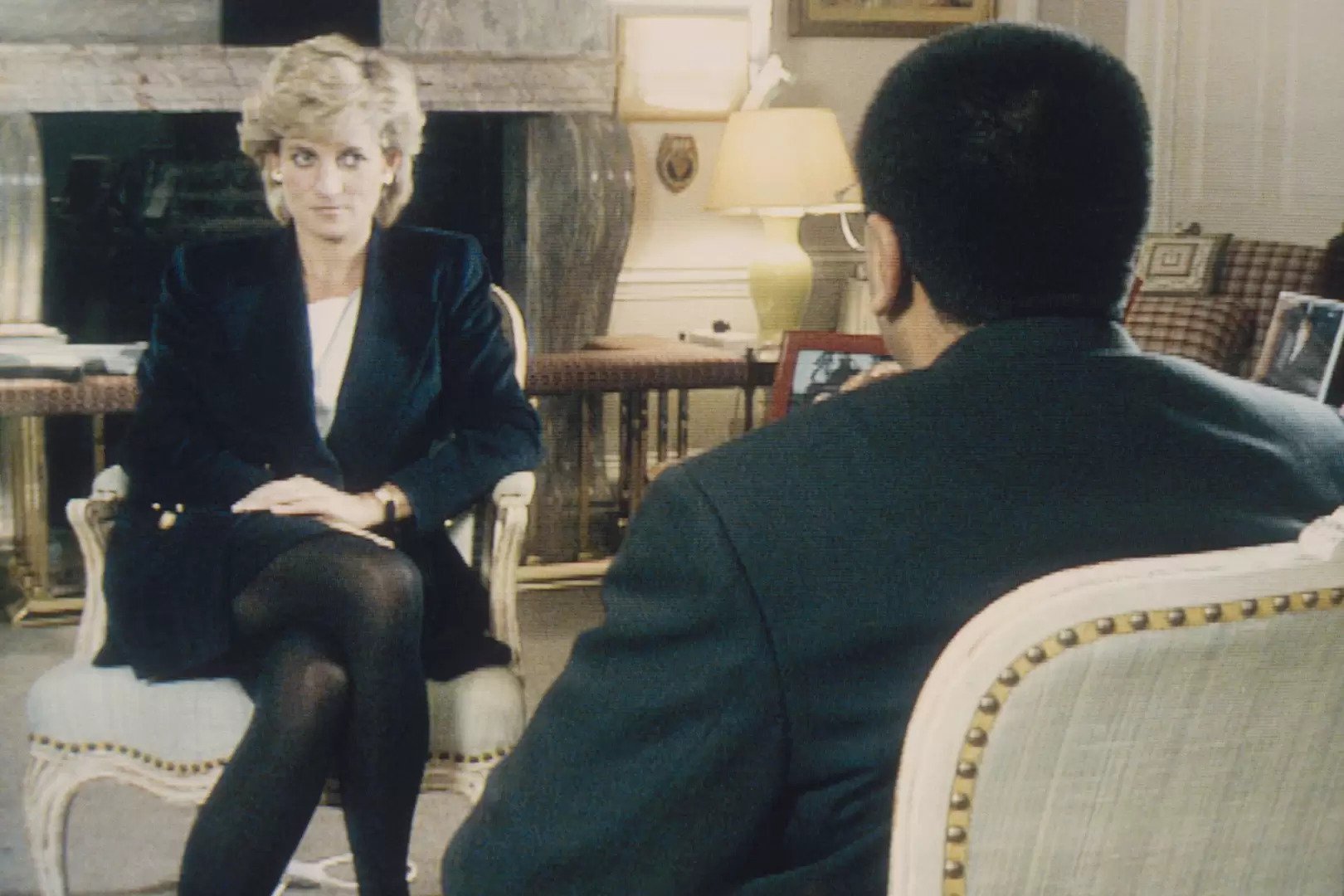
On the 20th of May, the BBC published the long-awaited Dyson Report – an inquiry into their practices in securing the groundbreaking Panorama interview with Diana, Princess of Wales, in 1995. The report states that Martin Bashir, a journalist working for the BBC, had fake bank documents forged to get close to the Princess through her brother and obtained an interview.
What has come out of the inquiry is a report that is damning for the BBC, who not only allowed the forgery and interview to happen, but refused to ask critical questions about its integrity, and punished whistleblowers for speaking up after the fact.
The Interview
It appears that the journalist, Martin Bashir, had presented Diana’s brother Charles Spencer with bank documents that showed that parts of the media were paying her family for information on Diana, in an attempt to gain his trust and to appear transparent.
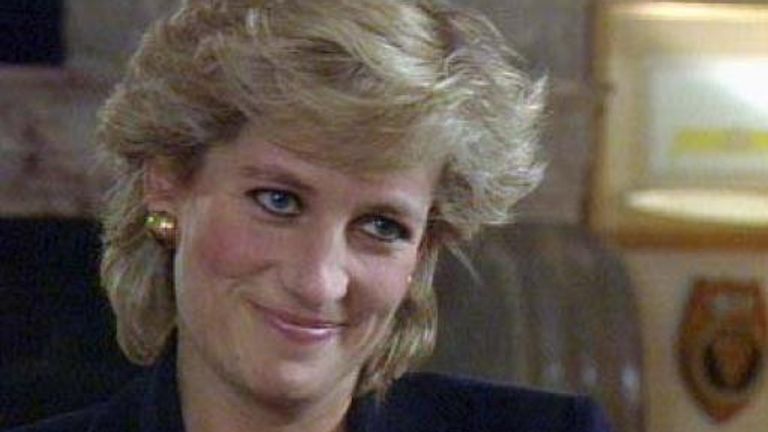
However, the statements had been mocked up, as Martin Bashir called former BBC graphic designer Matt Weissler to create the documents without knowing what they would be for. Bashir used the forgeries to gain Earl Spencer’s trust and get a meeting with Diana, whom he said he already knew. However, his efforts also helped inspire Diana’s paranoia towards the press.
The damning report has led to an avalanche of strong criticism towards BBC practice at a time when they are already under pressure from threats to their licence fee, among other worries. Prince William said that the BBC had been “deceitful”, acting with “woeful incompetence”; while Prince Harry strongly suggests that the award-winning interview helped cause their mother’s death, with “a culture of exploitation and unethical practices … [that] are still widespread today.”
Institutional Failings
The Duke of Sussex has long been a critic of the press for their perceived role in Diana’s death, and he might be right in suggesting that the BBC of 1995 has not changed enough to the present day. The BBC held an internal inquiry into the matter in 1996 and found no real wrongdoing, saying that Bashir was simply “an honourable man” who “wasn’t thinking“, and protecting the legacy of the hugely successful scoop.
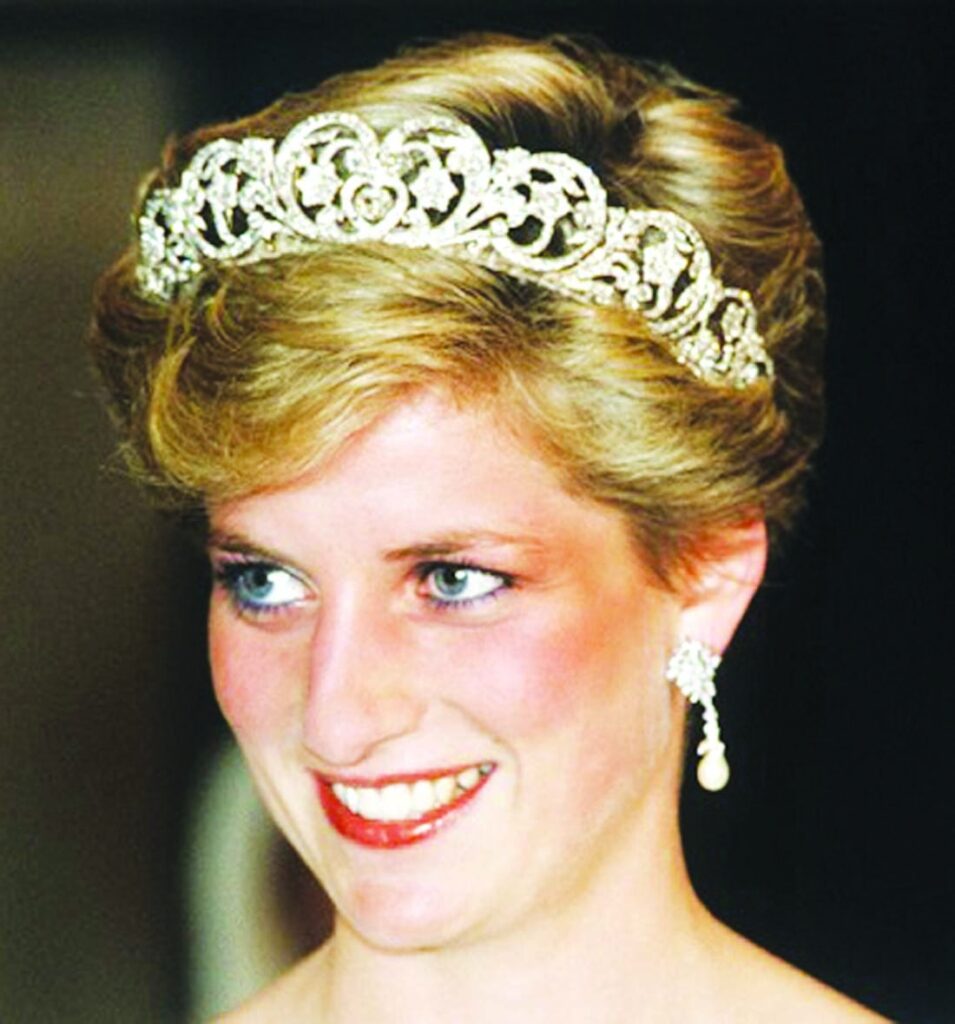
The BBC inquiry did not approach Charles Spencer for his side of the story, helping to establish Bashir’s innocence. BBC News re-hired Bashir in 2016 and he was made religious editor – a role he held until recently when he decided to resign for health reasons while the Dyson Report was soon to be published. The BBC is currently investigating the reasons it rehired Bashir, in another blow for the organisation.
What has been perhaps most damning, though, has been the treatment of members of the BBC who tried to speak out. Sir Richard Eyre was a board member at the time, and suggests that the BBC managers had kept the board in the dark at the time, treating them with “total contempt”.
It appears that the BBC managers, including at-the-time head of news Tony Hall, ignored criticism of the interview, believing it just to be jealousy over the success of the event, and not valid towards themselves or Bashir.
Furthermore, Matt Weissler, who was seemingly unaware of Bashir’s intentions, had been blacklisted by the BBC soon after for his involvement. While Martin Bashir was celebrated for the interview, Matt Weissler was punished for speaking to the media afterwards.
There is an argument to say that the interview happened twenty-five years ago, and the BBC has changed as an institution since then. But it doesn’t hold up. As shown above, a BBC journalist gained a royal interview through false pretences; top BBC officials decided to air it, and then through their investigation into the matter decided that Bashir was absolved of wrongdoing; blacklisted Weissler for his involvement in the scandal anyway; rehired Bashir much later despite his role, and through a second investigation has taken on massive criticism over the truth of the interview.
No real institutional repentance or apology has been forthcoming, and change is only happening under the motivation of public scrutiny.
Donate & Support