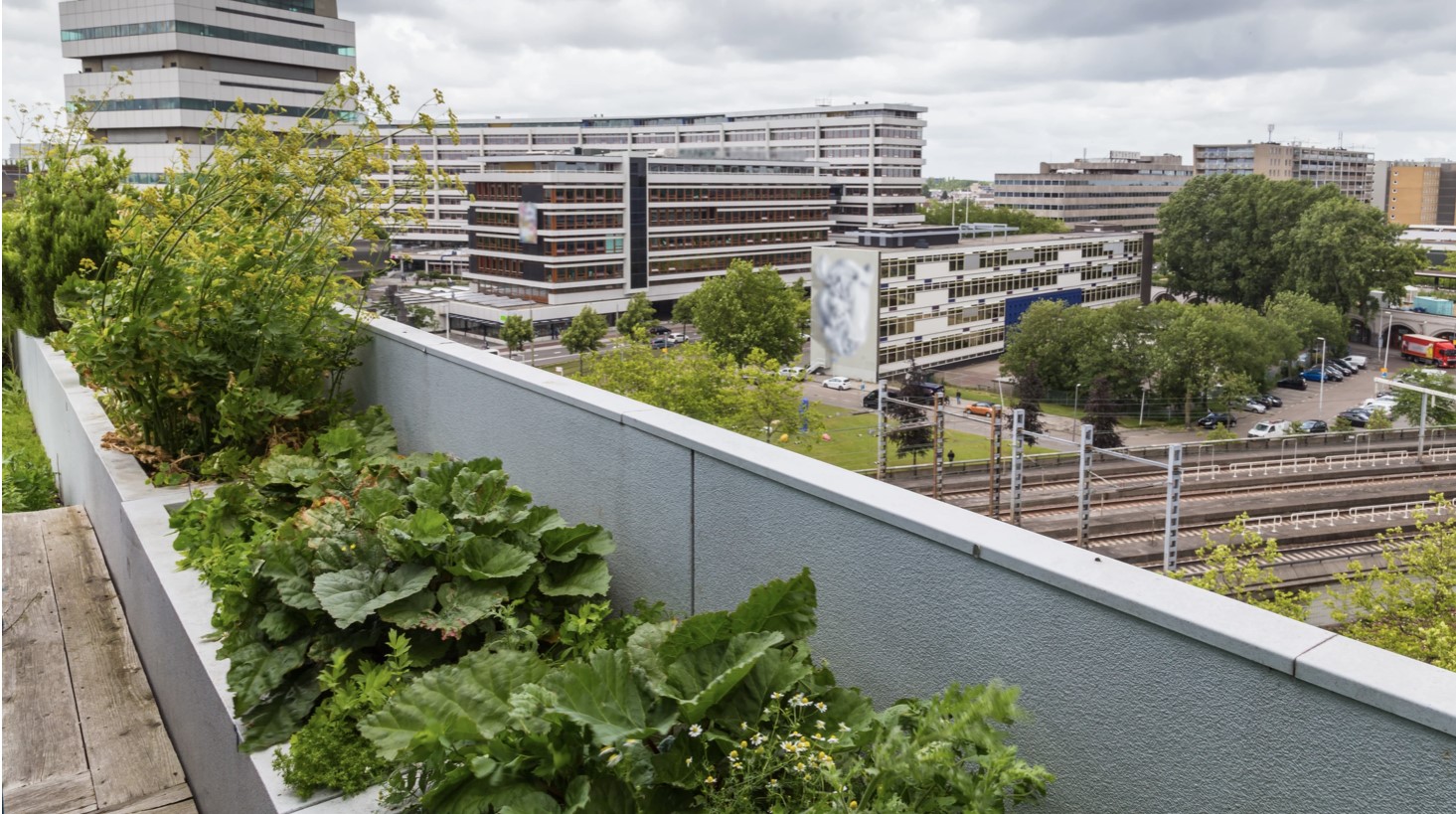
A green economy is one that improves the lives of people while reducing environmental risks and scarcities. Over the past decades, the concept of green economy has become a priority for many international organizations and governments alike due to the rigid climate change. In a green economy, growth and income are driven by public and private investments into the activities and infrastructure that aim to reduce carbon emissions and pollution, while at the same time efficiently using energy and resources to their highest value, so there are fewer resources needed. A green economy is based on investments, capital, and skills that advocate positive social and environmental outcomes.
The rapid development of the countries and the growth of the population in the past century especially, are locked in the high-carbon path. Climate change as a result of this development also is a reason for change.The new direction for the global economy is crucialand can be achieved only if advocated on national and sub-national levels. Notwithstanding the importance of private investments, the “going – green path” needs to be enabled and supported through targeted public expenditure, policy reforms, and changes in taxation and regulation.
The mentioned mechanisms should be designed to encourage investments and innovation related to green economy areas. At the same time, policies should provide incentives to use natural resources efficiently while making pollution more expensive through related fiscal and non-market instruments such as taxes, competition policy, regulations, and technological support. Moreover, the “going – green” path requires a high-qualified workfolk; thus, re-qualification and relocation of workers from contracting to expanding sectors must be facilitated by related educational and training policies.
The global pandemic caused an immense economic downturn, while also urging governments for actions in both directions – tackle climate change and rebuild the global economy. The European Union is leading in the green investments: about 30% of its €750 billion stimulus plan and €1.1 trillion of 2021-2027 budget will be dedicated to climate-friendly investments.
The United States is at the opposite end of the spectrum while announcing fiscal support without any consideration of sustainability. Instead, the Trump administration provided support to the fossil fuel industry. Biden in his turn advocated climate change as the primary issue of his future leadership during the electoral campaign, promising to rejoin the Paris agreement. Many other economies also perform attempts for the green future, for example, South Korea, China, and India, all make green investments. However, most spending has been committed to developed economies.
The importance of actions on national levels is clear, however, the international agreements, such as the 2030 Agenda for Sustainable Development and the Paris Agreement, emphasize the critical role for the private sector in green development as a source of both, investments in climate-friendly infrastructure as well as innovation in clean technologies and resource efficiency. Indeed, the private sector is the engine of growth, and the evidence is clear: according to the Office of National Statistics the private sector employment is equal to 82,9% of total employment, it funds over 60% of all investments in developing countries, while also paying taxes that afterwards fund public investments.
The extent to which the private sector is being involved in the Paris agreement represents an illustration of how climate change decisively shapes the agenda of businesses. To date, 1146 companies are leading the zero-carbon transition by setting emission reduction targets through the Science Based Targets initiative in line with the 1.5C degrees temperature goal of the Paris Agreement. Another example of increasing involvement of the private sector is the Paris Pledge for Action, which united over 1300 non-state actors in committing to support the delivery of the Paris Agreement.
When we consider the balance between public and private resources for climate change and corresponding the “going – green” actions, the private sector undoubtedly is the major source of finances globally, but the public finances and policies play a critical role to catalyze and guide private investments.
The anxiety we face in front of the escalating climate change does not provide us with a transition. Only if climate change turned into positive opportunities for investment and innovation will the green transition come. Markets are not capable of finding the green direction on their own, the area is yet barely discovered and at much experimental. If there is a stable direction for investment with adequate regulations, policies, and a skilled workfolk, the world economy will jointly embrace the green trajectory.
To keep up to date with the latest commercial news, click on commercial awareness to get your daily dose.
Donate & Support