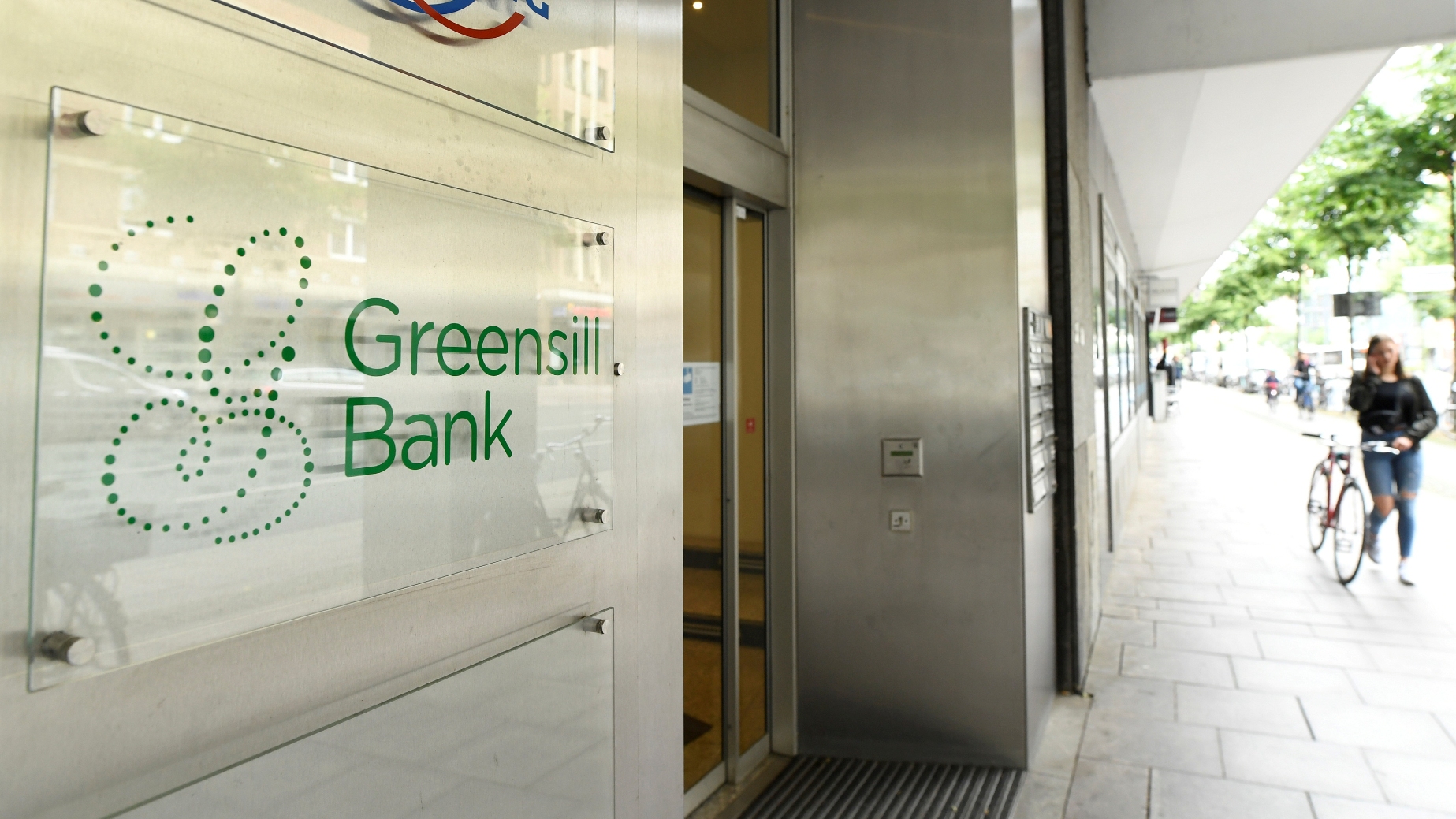
On 8 March 2021, Greensill Capital filed for insolvency, baffling the financial world. In the middle of the pandemic, it was a particularly hard hit for borrowers, suppliers and regulators. To understand the real impact of the Greensill collapse, we need to take a closer look at the events before March 2021.
Background
Greensill Capital was a financial services company based in the UK. Lex Greensill founded it to support smaller, less-established businesses against the industry’s giants. He aimed to use supply chain and future accounts receivables finance.
Supply chain finance is a type of cash advance that helps when payments are due from customers. Future accounts receivables finance bases on expectations of future sales and payments. These are two high-risk activities.

First Red Flags
Marketed as a perfect solution, supply chain finance could obscure problems on a company’s balance sheet. The money a buyer owes to the middleman shows up as ‘trade payable’, not debt. The distinction of what it is needn’t be disclosed.
It is not illegal, but, if left unattended, could lead to tragic outcomes. The first casualties of Greensill were three clients – NMC Health, BrightHouse and Agritrade. They collapsed with billions in undisclosed borrowing. This should have made lenders and borrowers cautious.
Collapse
It started in July 2020 when Tokio Marine withdrew its coverage for Greensill. They discovered that an underwriter at BCC had exceeded his risk limits, insuring amounts that added up to more than US$7.7bn. Struggling to find lenders, Greensill could not repay the $140mln loan to Credit Suisse.
In March 2021, Credit Suisse was forced to close $10 billion of funds linked to Greensill. Greensill tried to save itself by selling a part of its operating business. Due to low value and overestimated technological capabilities, it failed. With no insurers willing to cover its credit risks, it filed for insolvency protection on 8 March 2021.
Impact of Greensill Capital Collapse
Considering the risky nature of Greensill’s activities, it is no wonder that some big L’s were taken in this whole mess. The collapse of Greensill Capital led to 440 staff losing their jobs. It triggered a $2.34 billion bill for Germany’s deposit protection scheme. Towns and cities excluded from this shield are nursing losses of hundreds of millions of dollars. It effectively destroyed Germans’ trust in small, private banks.
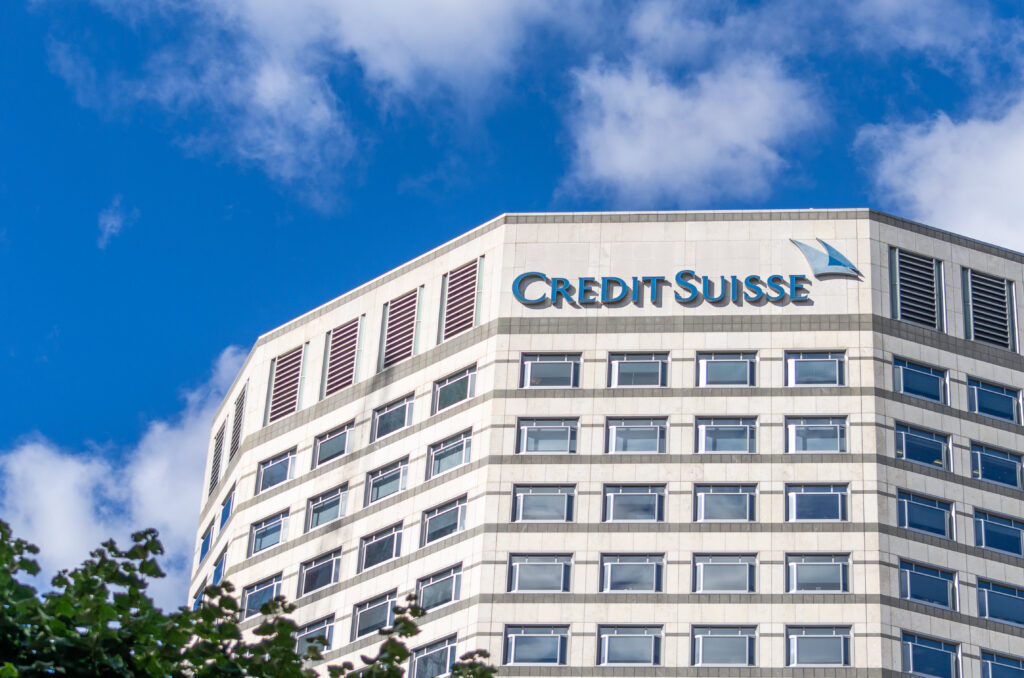
On the other side of the barricade, Credit Suisse removed senior executives, cut bonuses and currently struggles to estimate the extent of financial loss. Greensill’s biggest client, GFG, struggles to replace the funding that came from Greensill. Its steelworks in Whyalla and steel business, InfraBuild, together have a workforce of 6,500. These job places are under threat. More losses were suffered by Bluestone Resourses Inc, Citi and small companies worldwide.
Implications for the Financial Industry
Greensill collapse exposed bigger issues in the financial world. It serves as a reminder of the failures of financial deregulation. Greensill was not regulated as a bank. Greensill Capital UK was only registered with FCA for anti-money laundering purposes. Greensill Capital Securities Limited wasn’t registered with FCA at all.
It also shows how little transparency there is on supply chain finance in general. Carillion learned what the consequences of this could be in 2018. Its collapse resulted in no reaction from regulators on disclosure procedures on supply chain finance. Greensill Capital collapse is another call for the Financial Stability Board to address the issue of regulating shadow banking.
The collapse of Greensill also raised questions of risk management in financial companies. Particularly, Credit Suisse faces sharp scrutiny of its ability to manage risk. While it dealt with the Covid-19 season very cautiously, it failed on the Greensill front. The importance of risk management is once again highlighted as Credit Suisse struggles to repay the investors.

Conclusion
Greensill Capital was playing a risky game marked by various controversies. Once lenders realized the risk behind uninsured securitization, the game was lost. However, Greensill was not the only loser. Borrowers, lenders and regulators all carry the burden and we will see the full impact of the Greensill collapse in the future.
To keep up with the latest commercial news, click on commercial to get your daily dose.
Donate & Support