Impact on UK-based Universities
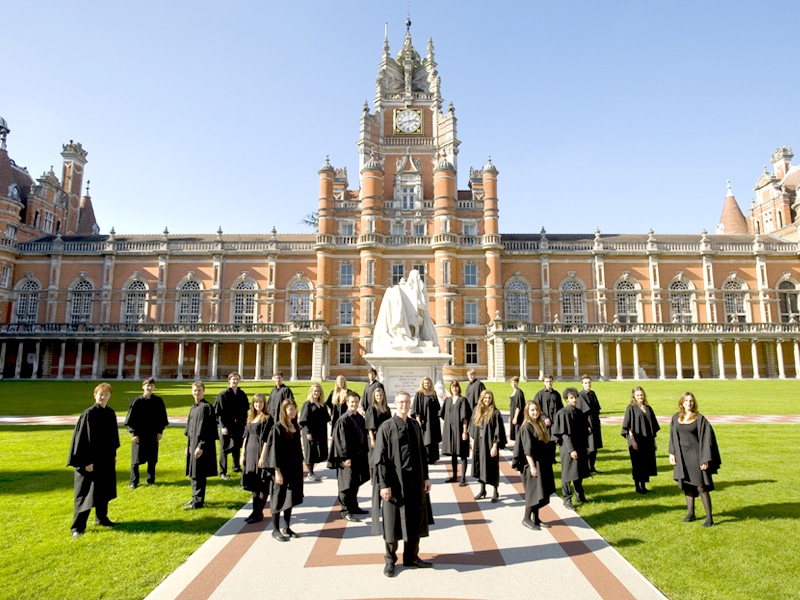
Before the Covid-19 pandemic setting in, Brexit sponged the substantial attraction of the world. Now, with the European students (except Irish pupils) losing ‘home’ status from the academic year 2021-22, as a result of imposing visa restrictions on EU students (for undertaking academic courses for more than 6 months), or increasing the Immigration Health Surcharge from £300 per year to £470 per year, the UK universities are set to lose almost £62.5 million ($85.9 million) per year.
The Covid-19 pandemic has set more serious challenges for UK universities. For instance, the annual tuition fees for ‘Home’ students for the Law-LLB (Hons.) programme is £9250 at most of the UK’s top universities, whereas the full-time tuition fees for EU and International students varies from £13500 and £18000 respectively at the University of Kent, to £22,430 for overseas students at LSE.
Accommodation and living costs have soared as well. This together with the tuition fees, paid by non-home students, are lost to the UK. The universities have potentially lost the international students, who contribute roughly 14% of the universities’ annual revenue. Institute for Fiscal Studies (IFS) claimed that the gross loss incurred by struggling universities in the UK may be around £11bn, leaving few universities insolvent.

Impact on Applicants and Students
According to the UCAS report, 65% of prospective undergraduates and 59% prospective postgraduates from India are still looking very optimistic, with their higher education planning in the UK; they do not want to cancel or postpone their studies.
According to a survey report from the British Parliament, amongst 25000 responses accepted from the students across the UK, the majority was dissatisfied with the quality of the education they had received during the lockdown, whereas many of them complained about the unnecessary accommodation costs being paid. Complaints concerning inaccessible university resources, such as library resources, laboratory and advice centres etc., have also been common.
One of the most daunting problems is mental health issues, and many students found university wellbeing services almost unreachable. Moreover, during the lockdown, universities have maintained their academic standard, keeping their assessment procedure almost unchanged. Therefore, marking and assessment also left the students anxious.
Changes Introduced
NUS called for the ‘no detriment policy’ for the students to attain “at least their average grade so far”. According to the safety-net/no-detriment policy, every student who has suffered or may likely suffer due to the ongoing pandemic shall be considered. The safety-net policy creates adjustment to the marking, irrespective of the course level. The ‘safety-net-marks’ started being effective from 14th March 2020.
Another policy, ‘mitigation’, applies to every student, irrespective of the status of their coursework, considering that their performance has been affected, due to pandemic. The ‘mitigation’ policy considers written and scheduled timed written works, providing students with a range of relaxations, such as extension, approval for late submission, a 48-hour schedule for the online examinations, and a three-month extension for the postgraduate taught students.
NUS has also called on a six-month extension for the postgraduate student’s coursework submissions. This year, many universities have conducted virtual open days and career fairs. UK’s higher education has also ensured that every student would be prioritised, to keep them physically and mentally healthy; accordingly, National Health Service (NHS) would provide medical treatment and free testing services for international students, without charging any upfront costs.
The government allowed for an ad hoc distance learning programme for the international students during the academic year 2020-21, without affecting their visa status. In the UK, the ‘Graduate Route’ scheme has also been started, allowing a two-year post-study work visa to the international graduates and postgraduates.

For students undertaking a PhD, the ‘Graduate Scheme’ will be valid for three years. Besides, international treaties are on the way to promote research and education in the UK. For instance, the Government of Telangana and Wales signed a Memorandum of Understanding (MoU) for furthering bilateral research, entrepreneurship, and innovation, primarily in Science and Technology.
Likely Future Changes
There will likely be much less money for providing facilities, including the teaching facilities, for the students. The admission criteria and scholarship requirements may likely be more stringent. For instance, the real value and/or the number of scholarships available with a university may be reduced, emphasising more on promoting teaching facilities and online resources, upgrading software and data protection technologies etc.
The research budget may also plummet. The Government is committed to spending 2.4% of the GDP, on the Science, Research and Innovation sector. During the pandemic situation, most departments need funding. For the research sector, for example, many students said they found this period to be difficult to attain an excellent stipend or scholarship.
To keep up with the latest commercial news, click on commercial to get your daily dose.
Donate & Support