On Monday 4th January, Boris Johnson announced the third lockdown in England. Differentiating this new lockdown from the November lockdown is that schools have now been instructed to close. Across December and the first few days of January, many health officials alongside teaching unions called for the closure of schools; pointing to them as an incubator environment in which coronavirus can spread. Boris Johnson, the English Prime Minister, had previously purported that schools were safe – his televised address on the 4th effectively retracted this statement, even though most primary schools had opened for the new term that very day.
Schools now remain open for a select few children, that being children of frontline workers who cannot maintain childcare at home. “All other pupils and students should not attend and should learn remotely until February half-term”, reads the advice on gov.uk. Students across all age brackets have now, therefore, missed massive amounts of teaching time, due to both the universal lockdown beginning in March 2020, and also later localised closures due to outbreaks of the virus.
Alongside the announcement of the new lockdown came the news that the GCSE and A-Level exams will be cancelled, reflecting the missed teaching time that so many students have faced. Instead, these students will be marked by Teacher Assessed Grades (TAGs). How teachers are to judge the grades of their students, and what work is to be submitted, is yet to be clarified.
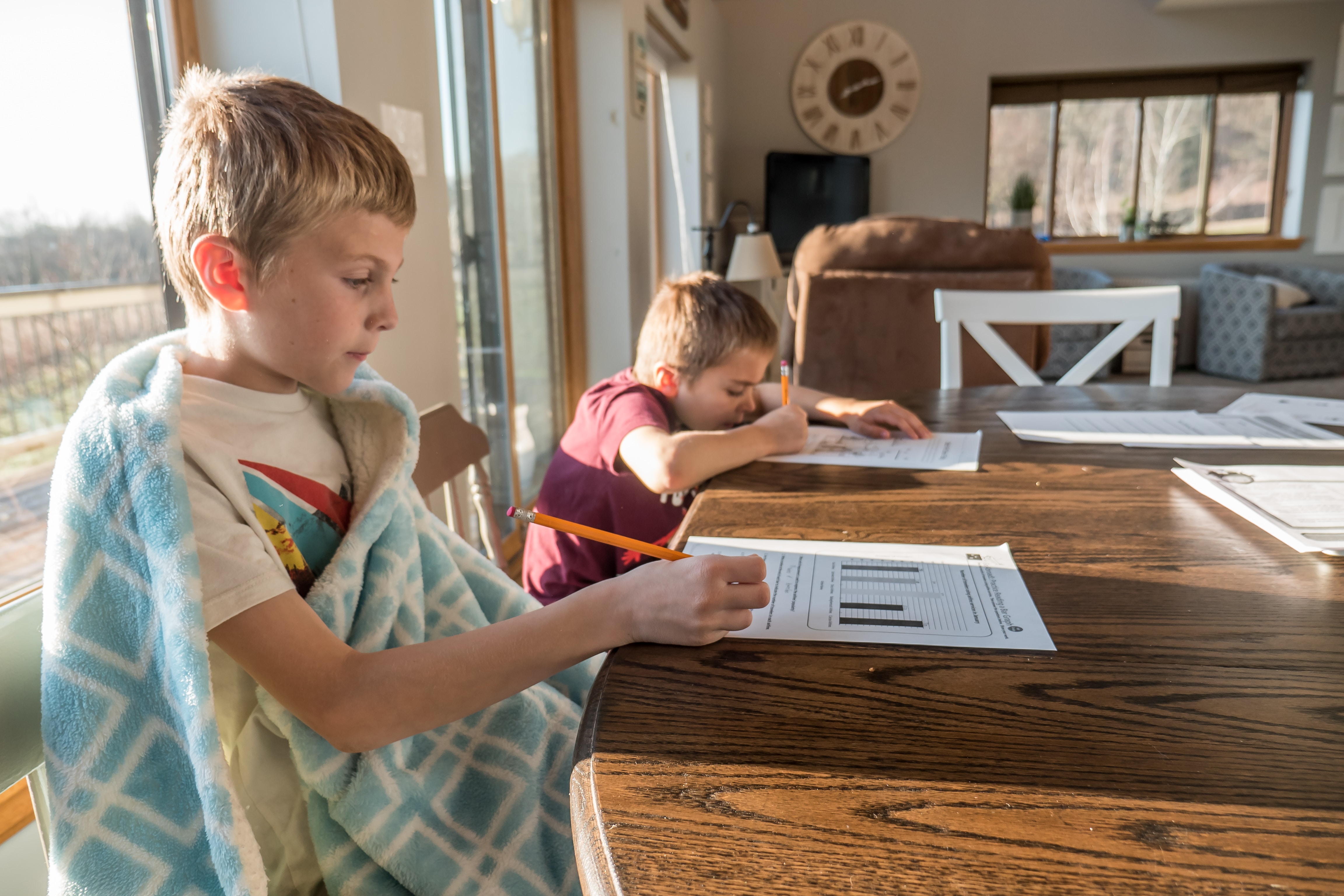
Many teachers and students across the country have raised concerns regarding this. In 2020, through GCSE and A-Level examinations were scrapped, the children in those year groups had missed less school time and therefore completed more mock examinations from which their estimated grades could be judged. Furthermore, the A-level grading system had been controlled by an algorithm which greatly disadvantaged students within state schools, or from heavily working-class areas. That the same government could once more skew the system against students in state comprehensive schools is a concern to many, particularly given the fact that in England, most university places are determined by a student’s success in their A-level examinations.
An issue of further concern is the question of the quality of teaching under lockdown conditions. With much teaching moving to online resources, many students are feeling the loss of face-to-face teaching. “It’s not just that we’re not in the classroom”, says Piper Beasley, a seventeen-year-old sixth form student attending a state comprehensive. “It’s also that people are far shyer over video call – it’s far harder to get one to one advice from your teacher, or even check-in for a moment because all thirty of us are on this Zoom call. And lots of our classes aren’t even alive, they’re recorded, so there’s no person to person interactions at all”.
The coronavirus pandemic has clearly had far-reaching implications, well beyond health and livelihood. The impact of the virus and subsequent lockdowns on education will be far-reaching, and we perhaps won’t know the full ramifications for years. What with most university teaching being remote, to exams denoting qualifications deemed vital in the UK for securing work and/or further education being cancelled, it’s clear that education as we know it has suffered a massive blow in the last eleven months.
An article published in The Guardian last week even detailed the significance the pandemic has had in early education, such as the socialisation of infants – the cancellation of parent and baby classes, for instance, means that key moments in early life education have been missed entirely. A further noteworthy impact is that upon teachers; stretched thin by staff absences, understandable concerns for their own safety, and the demand to continue to teach both in-person to those students still in school, and remotely to those at home, many are feeling the effects of a national lockdown.
Given that the UK has now begun its vaccination programme, the end is in sight: though no one can quite tell us when, yet. How the English education system – across all levels – recovers, and what support will be given by the current government, remains to be seen. Some might argue, however, that the fissures caused by the epidemic have revealed long term cracks in the system itself, based in years of inequality across state/private lines, alongside inadequate support for teachers and certain students alike.
To keep up to date with the latest commercial news, click on commercial awareness to get your daily dose.
Donate & Support