By Ulvi Hagverdi
Your commercial awareness dose
The US presidential election, to be held on 3 November 2020, is one of the major events of 2020 that might impact the global economy. The incumbent US President Donald Trump (Republican) and former US Vice-President Joe Biden (Democrat) are the main 2 candidates that are running for the US presidency for the term of 2021-2025. The intriguing question for the global community is as follows: Given the US is the leading economic, political and military powerhouse in the world, how can another Trump presidency reshape the globe if he is elected?
Since his victory in 2016, the heart of the debate about Donald Trump’s presidency lies on his drastic immigration measures, controversial foreign economic policies and mishandling the pandemic. The Trump administration has withdrawn from several significant trade deals and started a trade war with China, claiming Xi Jinping’s administration taking unfair advantage from the free trade. Although the parties had agreed on phase 1 of the China-US trade deal, Donald Trump blaming the pandemic on China has deteriorated already unstable ties between two countries.
Donald Trump has also taken a leading role in enacting the 201 Tax Cuts and Jobs Act that resulted in $1.5 trillion tax cuts for corporations and investors. These cuts enabled these companies to invest more in R&D and grow their businesses that subsequently benefited the investor community.
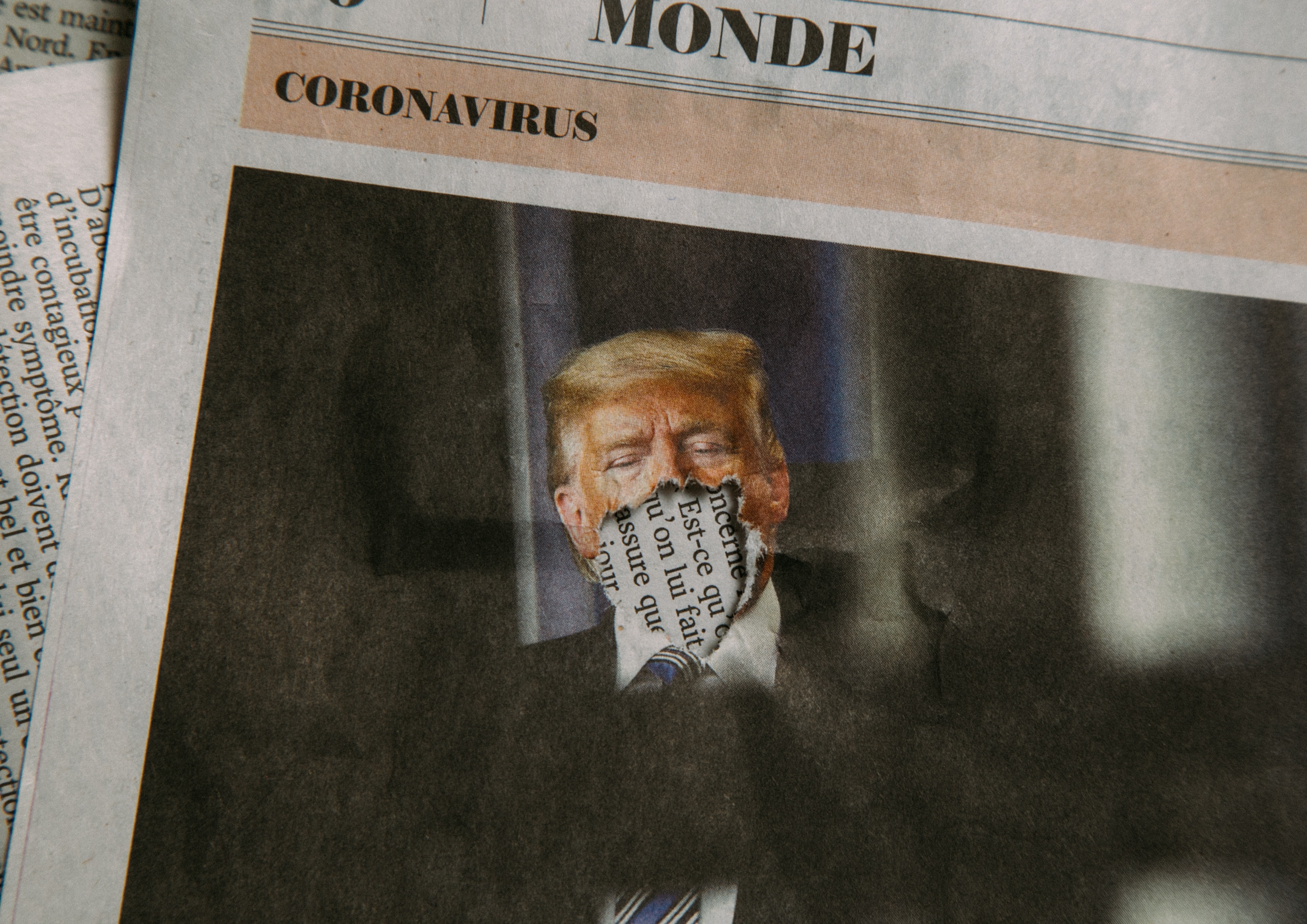
On the other hand, the Trump administration has attracted significant attention for its both publicly accepted and criticized social policies. The Federal Reserve has injected trillions of dollars’ worth of fiscal and monetary stimulus package to contribute to the recovery of the US economy following the recession. Although this has helped millions of the unemployed to survive during the pandemic, it has also caused a significant rate of inflation and the stock market bubble.
Under the leadership of Donald Trump, the US has pulled out of the Paris Agreement, which is one of the most pivotal settlements aiming to tackle climate change and global warming. Moreover, despite being the global leader for healthcare spending, the US differs from other developed countries for lower life expectancy and higher rates of infant mortality. Mr President is doing his best to start the distribution of the vaccine before the election day, while disregarding associated health risks.
Another problematic area that Donald Trump is yet to fix in the US is housing. Currently, nearly 25 million in the US are facing the jeopardy of eviction because of being laid off during the pandemic. This number was only 10 million in 2008 during the biggest housing crisis in the world. Thus we can infer the seriousness and potential risks of the current housing discrepancies in the US. Black lives matter movement, protesting against incidents of police brutality and all racial violence against people of Afro-Caribbean ethnicities in the US, also was a solid reflection of Donald Trump failing to impose correct social policies.
In terms of unemployment, the US recorded its 50 years low unemployment rate in early 2020. However, the unemployment rate has circulated in double digits, and the US economy is yet to recover. Particularly after people using their stimulus checks to make investments, the stock market has grown at an unprecedented pace this year. Thus many economists questions the legacy of Donald Trump’s economic policies.
After such an engaging analysis, how can the Trump administration contribute to the US and the world in general economic and social terms? Firstly, it can be easily forecasted that Trump’s “crusade” with China will not come to an end anytime soon in case he is re-elected, given the current unstable economic climate. Secondly, the incumbent President in yet to announce his plans to combat the current pandemic shock and its accompanying economic crisis.
George Mateyo asserts that major changes to monetary or tax policies are not expected anytime soon regardless of the result of the election. However, Trump is expected to further loosen the regulations that would benefit the energy and financial companies. Space and defence companies could also deliver better results under his more lenient approach. As a result, the pandemic trauma has notably disrupted Donald Trump’s economic policies, while many social problems in American society still remains unresolved.
Donate & Support