By Rebecca Shields
Your commercial awareness dose…
Worth over an estimated £84 billion a year, with more than 1.56 million workers, the event industry has consistently been a strength to the UK economy. However, this year has seen it come undone due to the unprecedented effects of the global pandemic. Currently, 525,000 workers are at risk of losing their jobs. A shocking 76% of UK event companies predict they will have to close by February 2021 if events do not resume. 845 exhibitions have been cancelled this year, causing an £8.6 billion loss to the UK economy. The recent Winter Plan allows business events to take place in tier 1 and 2 areas, which may benefit the future of the UK events industry.
The UK has the unique status of being the only country to have had all business events outlawed this year. This unparalleled move by the UK government has led to event opportunities moving abroad, therefore causing UK event companies to lose business to their global counterparts. The £165 billion per year in trade that the UK event industry generates is in jeopardy. Despite this serious situation there has been a reluctance by the UK government to support the events industry. No short-term economic plans for event companies have been put in place, with 80% reporting they were ineligible for grants allocated to hospitality, retail, and leisure businesses. The UK Events Industry Board have stated that if the UK does not start hosting large scale events by the middle of 2021, then it will lose out on £31 billion from visitors to the UK.
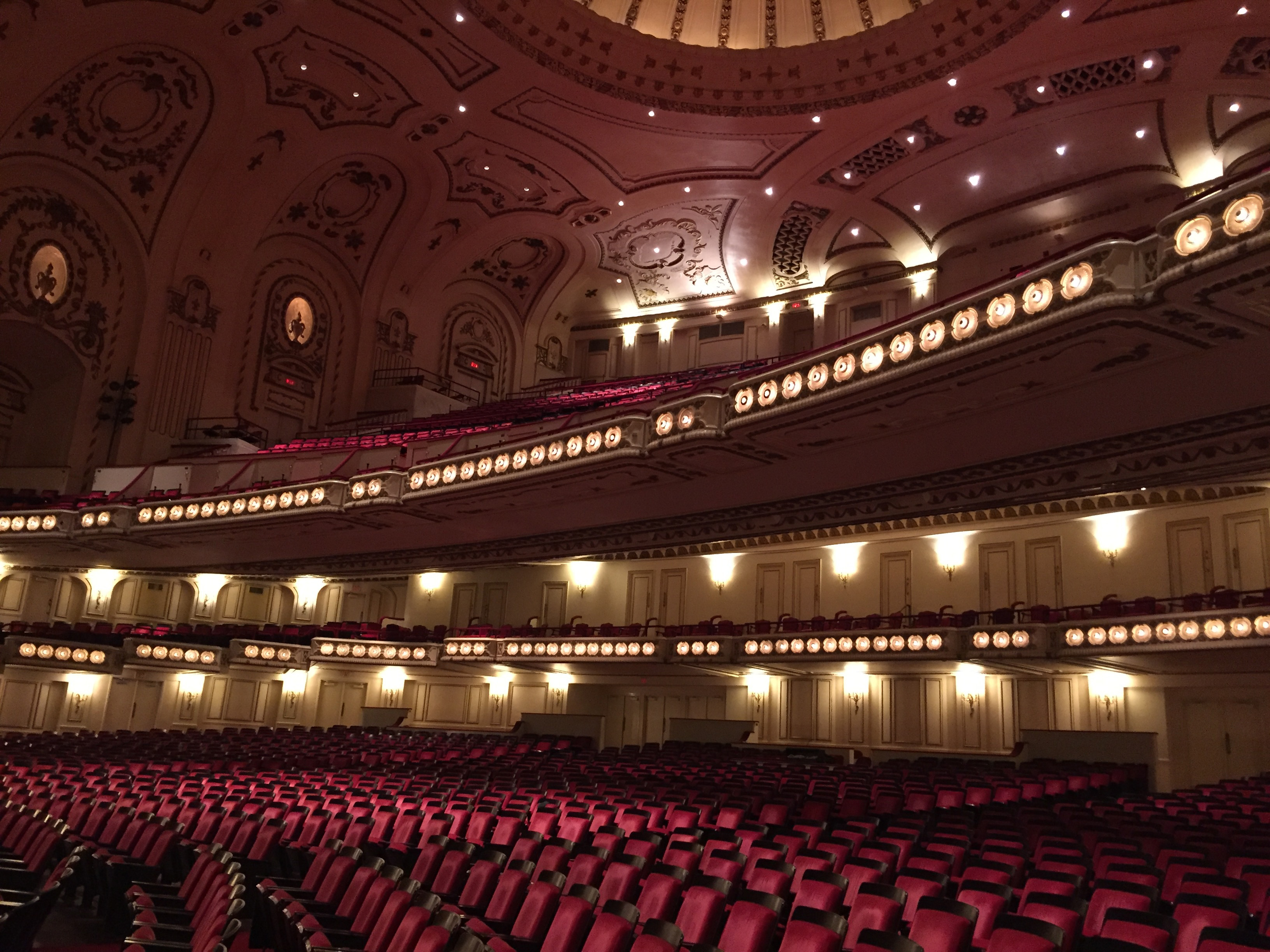
There has been a push to protect event venues. Alexandra Palace was saved from closure by the UK government’s Culture Recovery Fund for Heritage, providing £2.9 million pound in emergency funding. Alexandra Palace is one of the UK’s largest independent event venues, typically delivering over 250 events per year and contributing £170 million to the UK economy. They are set to host the William Hill World Darts Championship from the 15th of December, with visitors attending the event. Other venues have also benefited from the Culture Recovery Fund, including the Royal Albert Hall. The fund is providing £165 million in loans to 11 cultural organisations and venues. The loans have an initial repayment holiday of up to four years, a low interest rate, and can take up to 20 years to repay fully.
Whilst this effort to preserve venues is to be admired, the events industry is multifaceted. The industry encompasses everything from stand builders to designers, caterers to event planners and more. For many of those workers, this year has resulted in reduced hours, extended furloughs and redundancies. For companies struggling to maintain their staff and make profit, they have had to advance their online presence and focus on digital events.
This shift in direction has been noticed by people both within and outside the event industry. Recently Reed posted their white paper, Covid-19 and How it’s changing the Event Industry. In their research they surveyed more than 3,000 exhibitors and 9,000 attendees across 201 events. They found visitors were pro-digital events, with 59% stating they would sign up for an online trade event and a further 57% saying they can carry out their event objectives online without attending an event in person. 84% of both visitors and exhibitors have tried a new digital service since the first lockdown. This is in line with the 94% of visitors who said they would rather attend online events until the risk of Covid-19 has gone. Notably, exhibitors responded to the survey differently. Only 43% of exhibitors felt they could accomplish their event objectives through online events. A concern over visitor engagement through digital platforms was repeatedly stated by exhibitors. However, throughout the tracking survey the need for events was consistently high amongst visitors as well as exhibitors.
Although digital events are set to be the norm for at least the next year, the wider events industry will need to focus on in-person events again to return to its former economic success. Whilst the government has previously placed limitations which have prevented this, there are signs that change will happen soon. The Association of Event Venues, Association of Event Organisers and the Event Service Suppliers Association have been successfully campaigning with the One Industry One Voice Coalition on their #ProjectRecovery campaign. This has brought the plight of the events industry into the mainstream conversation. Earlier this month the UK secretary for the Department of Digital, Culture, Media and Sport, Oliver Dowden, stated that he believed the events industry would return to normal by April 2021. Despite these optimistic projections it seems that only time will tell whether they have been successful or not.
To keep up to date with the latest commercial news, click on commercial awareness to get your daily dose.
Donate & Support