By Melissa Cox
Your commercial awareness dose …
Every November 11th in China, Singles’ Day is a time when those not in relationships celebrate their solo status. The main event of Singles’ Day each year, however, are online sales, led predominantly by e-commerce and retail giant Alibaba. Singles’ Day is the largest shopping day in the world: this year Alibaba broke their own record in earnings with sales amounting up to 498.2 Billion RMB ($74 Billion USD). On Singles’ Day 2019 Alibaba saw a profit of $38.4 Billion USD in just one day. This compared to similar events in the West such as Amazon Prime Day, which garnered a profit of 10.4 Billion USD in 2020, shows the mass commercial scale of Singles’ Day.
Prior to the introduction of the extravagant sales, Singles’ Day was a festival created in 1993 by students at Nanjing University who wished to create their own day for singles, as they saw Valentine’s Day as unfair to them. 11/11 was chosen as the date for each year, due to its appearance having a likeness to a group of four single people. Although there are those who still celebrate by hosting parties and dinners with friends, the sales are undoubtedly what attracts attention from so many on a global scale. During Singles’ Day sales one can find almost anything at a discounted price, from clothes, to cars and even property. However, beauty, healthcare and tech tend to be the top sellers each year.
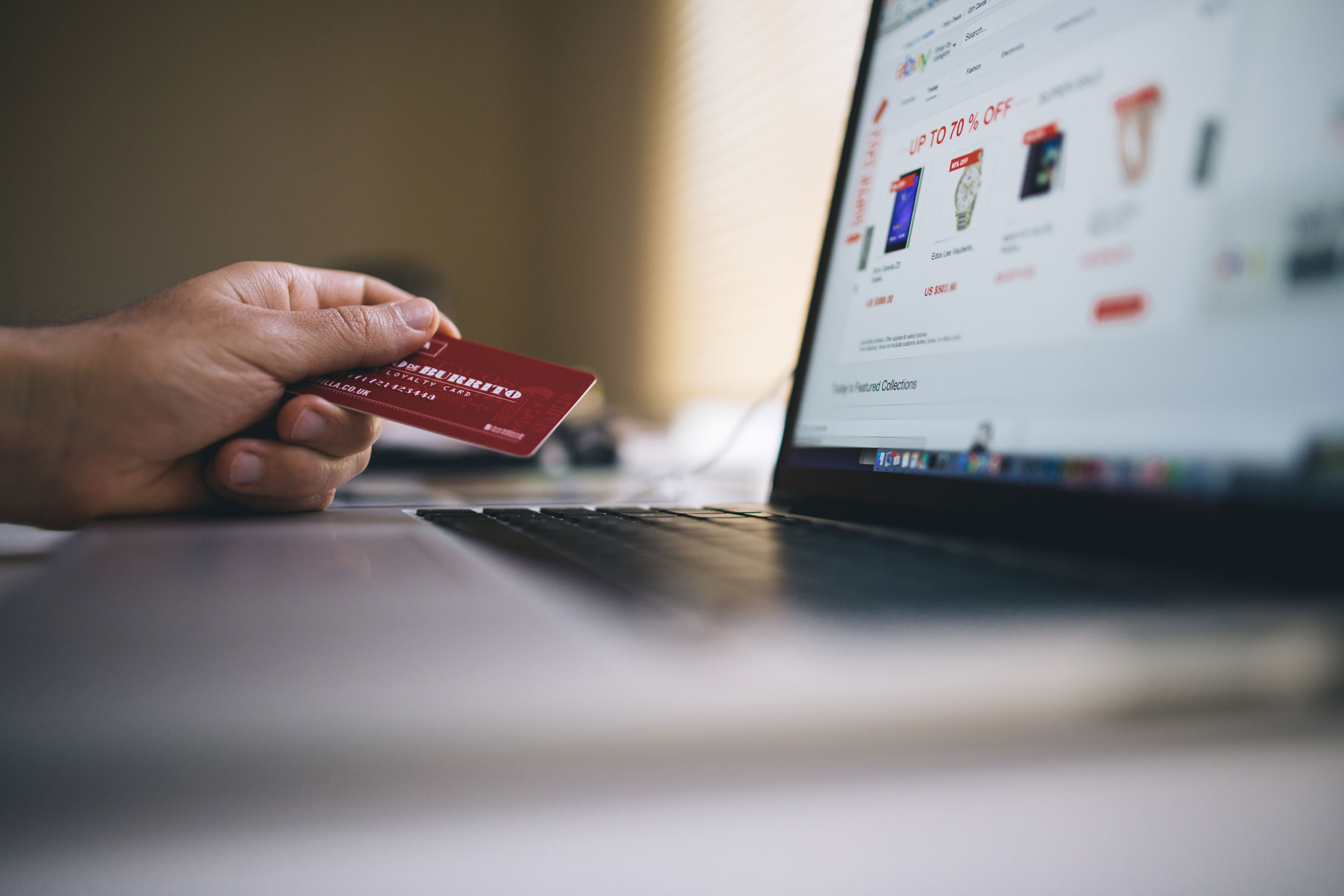
Although Alibaba is certainly the dominant player when it comes to Singles’ Day, other companies all want to get involved in the event, and have done just that over the past years. One of Alibaba’s biggest competitors JD.com hit record sales this year, with sales amounting up to $41 Billion USD, up 33% from 2019. Alibaba’s Singles’ Day success, however, is unmatched – they make sure this pre-eminence is maintained. Alibaba copyrighted the phrase ‘Double Eleven’ (双十一) in 2012, and in 2014 made it known to other companies and media that they would take legal action if others used the phrase for promotion.
Singles’ Day 2020 was anticipated by many due to COVID-19 resulting in mass lockdowns and restrictions even as the economy was recovering, resulting in excess income for many. Alibaba thus extended Singles’ Day, spanning from the 1st of November to the 11th of November in anticipation of ‘revenge shopping’; people getting back on what they missed out on as a result of restrictions on shopping overseas, and domestically. Before Singles’ Day sales began, Alibaba had their logistics branch Cainiao prepare 3 million workers in warehouses and 3,000 chartered flights. These preparations were necessary: Cainiao processed 2.32 billion delivery orders between the 1st and 11th of November.
One of the predominant methods used to shop in China is through watching livestreams of celebrities and influencers promoting various products. Alibaba prepared a Singles’ Day Gala hosted by Tmall; another shopping platform owned by Alibaba. They invite some of China’s most prolific celebrities to perform and promote products. In 2019, over 100,000 live streamers participated in Tmall’s promotions, including Kim Kardashian promoting her then new perfume. This year Alibaba went even further with the livestreams, using A.I. generated hosts, as well as a real time translation into 4 different languages. By 2019, China’s livestreaming shopping market had an estimated worth of $60 Billion USD.
This years Singles’ Day attracted a large number of luxury brands worldwide, hoping to use the event to make up for losses caused by COVID-19, and who were also aware of the ‘revenge shopping’ many were waiting to do in China. Various big-name luxury brands joined in on Singles’ Day for the first time, such as Balenciaga, and Prada. Luxury Brand Cartier hosted a livestream in which they showcased a necklace worth $28.3 million USD. However, an increasingly prominent anti-consumerism movement has been brewing amongst the Chinese people over the past few years, and shoppers have also begun to prefer domestic brands over foreign ones.
The anti-consumerism movement has been spreading amongst primarily the younger generation in China, who are more knowledgeable on the subject compared to generations before them. They have also become more conscious of the environmental impact of consumerism. This conscientiousness has been encouraged by President Xi Jinping, who stated earlier this year that he hoped that people would “effectively cultivate thrifty habits.” Actions have been taken to reduce the waste produced by Singles’ Day deliveries over the past few years – a trend that will hopefully continue in the future.
To keep up to date with the latest commercial news, click on commercial awareness to get your daily dose.
Donate & Support