At the end of June, the Great Britain/Northern Ireland post-Brexit trading grace period will expire, and preparations will need to be completed for the “new normal” trading relationship between the British isle and the EU.
The Northern Ireland Protocol
The rushed Brexit negotiations at the end of 2019 have meant that there is effectively a border down the Irish sea between Great Britain and Northern Ireland, something that Prime Minister Boris Johnson promised against.
It’s worth pointing out the difference between “Great Britain” and “the United Kingdom” here – the former is the island that England, Wales and Scotland are on; while the UK is the union including Great Britain and Northern Ireland. While there is a hard border within the United Kingdom between the two islands, it has not broken up the union, although it does sour the relationship.
The border down the Irish sea might be a contentious issue, but it is there to stop an even more damaging one, which would be to force an Irish border between the north and south, which would break the Good Friday Agreement and potentially bring back the Troubles after more than twenty years of peace.
The Northern Ireland Protocol, therefore, is the clause in the Brexit negotiations that ensures there will not be a hard border between Northern Ireland and the Republic of Ireland. However, trade was seamless when all parties were in the EU, which has changed post-Brexit as new customs requirements have meant more checks are needed from both sides.
These are carried out not on a north-south Irish border, but rather in ports between Great Britain and Northern Ireland, meaning that they effectively still operate inside the EU. However, that has forced a wedge between Westminster and Stormont, as Northern Ireland is understandably reliant on the rest of the United Kingdom for a substantial amount of trade – including food.
The Sausage Ban
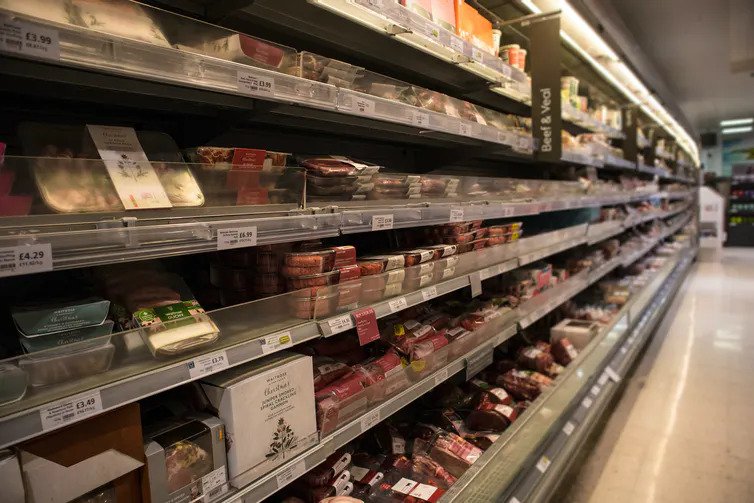
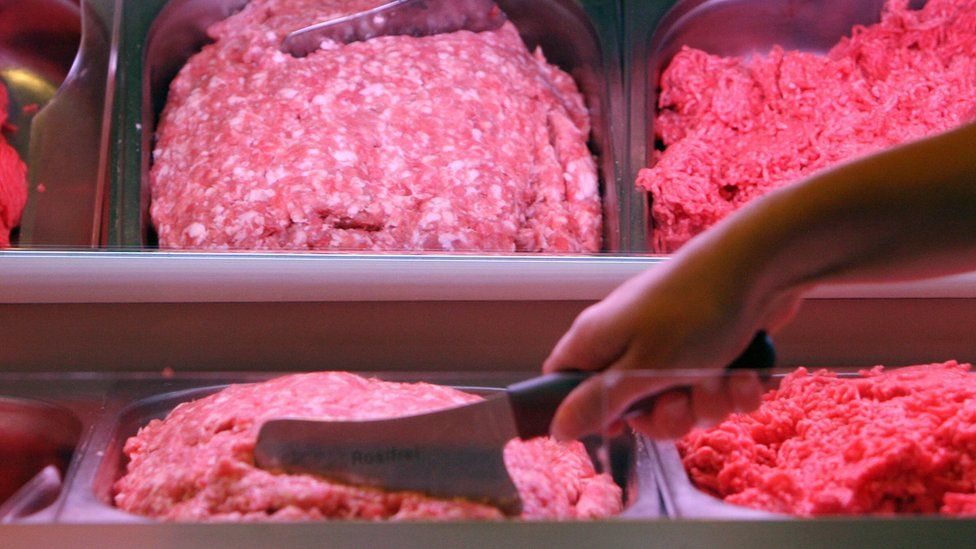
Part of the European Union’s different customs standards is that they do not allow chilled meats to enter their market from outside of the EU – which now includes the UK. This means that Northern Ireland, acting as if it was in the EU, will not be able to stock British meats in its shops and stalls, such as sausages.
There has been a six month grace period provided for the UK and Northern Ireland to establish a new normal relationship and prepare for different trading possibilities, but it appears that Westminster has still left itself unprepared and caught out.
PM Johnson and Brexit Minister Lord Frost have asked for an extension to the grace period, and continue to look to stall the incoming post-Brexit measures that they passed through Parliament at the end of 2019. However, the EU has pushed back on these proposals, suggesting that an extended grace period was never in legislation and has not been properly discussed and agreed upon by both sides, and as such would break international law.
There looks to be a stalemate between the UK and the EU – and not for the first time in the post-Brexit relationship. Johnson’s government has declared that they are ready to ignore the incoming “sausage ban” if they do not get an extended grace period, as they continue to juggle Brexit legislation along with everything else.
The EU, on the other hand, have threatened tariffs against the UK which would amount to a “Sausage Trade War”, as they would view the UK as unlawfully breaking their treaty. That would involve more costs on trade between the UK and EU and an even chillier relationship.
The EU suggests that they are looking to enforce the transition period as it is to ensure stability and predictability for business in Northern Ireland – and if there was a trade war, it is unsure just where Northern Ireland would sit in it.
Unionist and Republican tensions increase over the uncertainty over Stormont’s place in the world, just as UK and EU tensions increase in the tug of war over Northern Ireland, with Belfast caught in the middle.
To keep up with the latest commercial news, click on commercial to get your daily dose.
Donate & Support