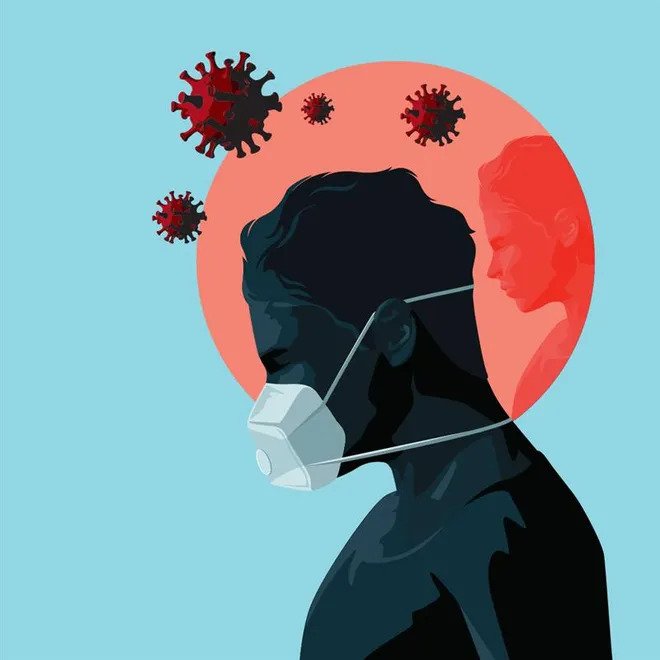
Undoubtedly the COVID-19 pandemic has had a significant impact on the mental health of individuals across the globe. Social isolation, loss of loved ones, impact on workload, unemployment, financial insecurity, etc. have left many emotionally and mentally raw.
Data from the UK’s household longitudinal study show that the amount of clinically significant distress has increased significantly from 2019 to 2020. The amount of clinically significant reports of distress jumped by 10.3% for women and by 5.9% for men within one year.
Additionally, social distancing rules and regulations have forced everyone to remain indoors as much as possible, limiting the number of physical activities available. Despite the UK Government’s initial attempt in the first lockdown (during March of 2020) to encourage UK citizens to exercise for one hour outside per day, it was discovered that a large proportion of people were spending more than eight hours a day sitting. Extensive amounts of sitting were largely due to working at home, being put on furlough, and a surge in online leisure activities.
Reports of such substantial amounts of sitting time-related to the pandemic prompted Dr Susanna Kola-Palmer, Dr Liane Beretta De Azevedo and Masters student Matthew Pears from the University of Huddersfield to conduct research that looked at the impact of sitting time on mental health.
Results were collected between May and June of 2020, using an online survey. 248 participants, within the age range of 33.5 (± 12.4 years), self-reported their physical activity, sitting time, and mental health using validated questionnaires.
Findings concluded:
- 42% of depression scores and 27% of well-being scores were explained by sociodemographic, health outcomes and the amount of time the individual sat per day.
- The main variable that impacted depression and well-being scores were sitting time (physical activity did not account for any of the variances).
- Participants who sat more than eight hours per day reported higher depression scores and lower well-being scores compared to those who sat less.
Overall, sitting time was found to be strongly associated with adverse mental health during the COVID-19 lockdown, so much so that it outweighed the benefits of regular exercise. The researchers added within their conclusion that the findings should be considered in future public health recommendations/policies in an attempt to reduce the amount of time spent sitting.
Countless studies have exposed the negative health effects of sitting for long periods. Researchers have linked prolonged periods of sitting to health complications such as obesity, increased blood pressure, high blood sugar, excess body fat, abnormal cholesterol levels, increased risk of death from cardiovascular disease and even cancer.
While this has been a long time concern, the pandemic has undoubtedly made it even more of a challenge.
Already, a majority of daily activities that generally require sitting such as working from a computer, reading or doing homework made up a large portion of the average individual in the UK day. However, the pandemic took away commutes to the office or schools for certain periods and reduced the use of public facilities, decreasing the amount of physical activity for the average person even more.

Simultaneously, online services such as TikTok, Zoom, Netflix and more have seen unprecedented growth since the outbreak and internet usage beyond working hours for adults in the UK has reached new heights.
The NHS does address the dilemma of excessive sitting within an exercise page on their website. They advise people to exercise 150 minutes per week, further recommending individuals to break up long periods of sitting with one to two minutes of movement.
Despite the current communications and policies regarding health, Dr Azevedo believes that people need to better understand what exactly physical activity means, “It is not just going to the gym. Just going for a walk especially in green areas is important, however, any type of moderate activity has benefits. We also noticed from our study that leisure and gardening are activities that help both physically and mentally.”
Dr Azevedo hopes to develop an intervention based on the findings that will focus on decreasing inactive behaviours in addition to increasing physical activities to promote mental health. Hopefully, researchers and politicians can work together to find actionable solutions for the sitting epidemic post-COVID-19.
To keep up with the latest commercial news, click on commercial to get your daily dose.
Donate & Support