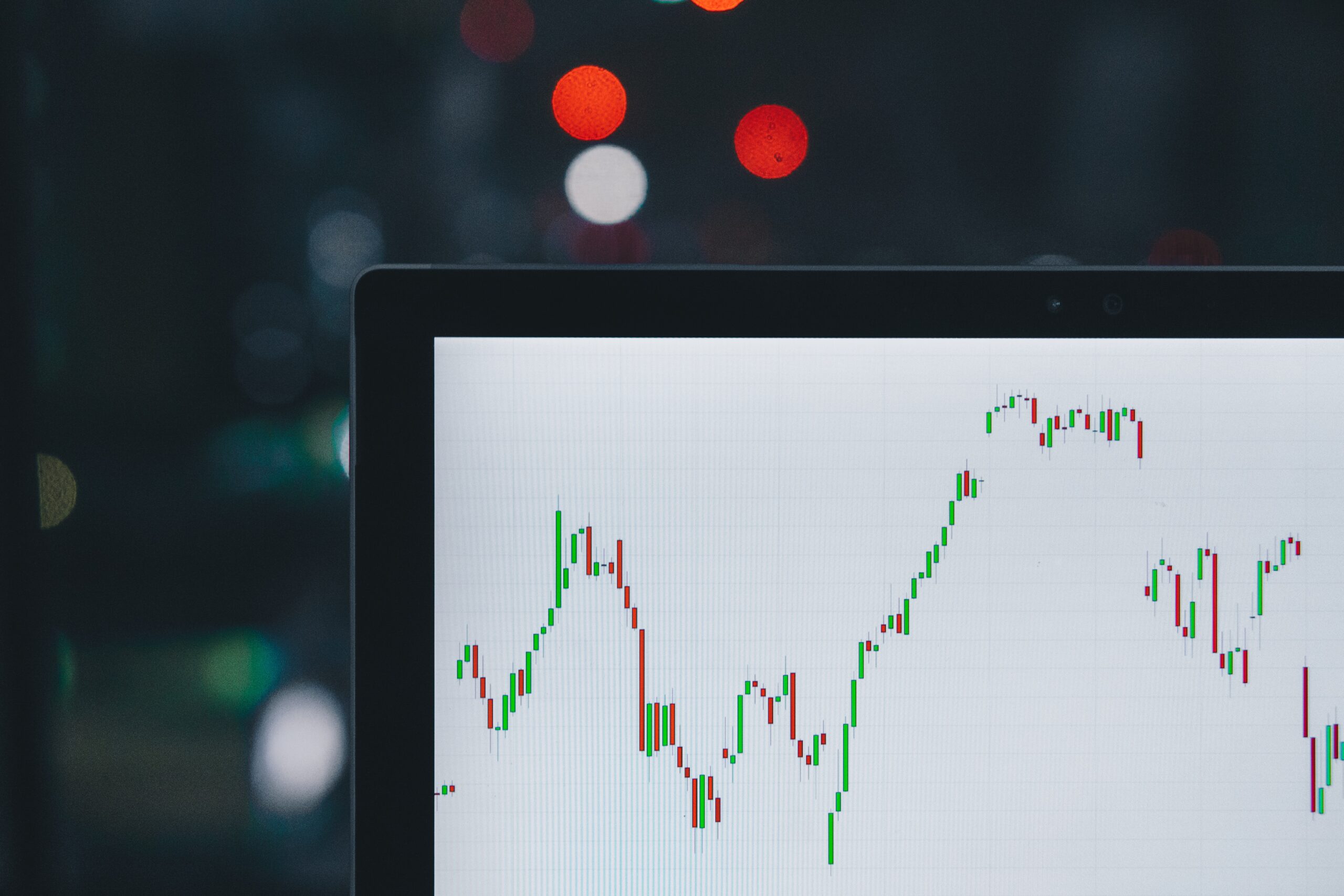
Investing is all about taking risks; these risks can go both ways, one might gain as well as one might lose. In the financial world, risk management refers to the identification, analysis, and acceptance or mitigation of uncertainty related to investments. There is no such thing as a 100 per cent safe investment – the risk is an inherent aspect of all decisions taken in the financial area.
In general, financial risk analysis starts with a qualitative analysis, by identifying the various types of risks and their characteristics, in which one might examine the eventual causes of risk occurrence and the criteria influencing the risk dynamics. Furthermore, risk analysis can be accomplished through statistical analysis of the prices at different points in times, quantifying risk a standard deviation for a certain desired outcome.
Some examples of analytical frameworks and tools are SWOT-analysis, method of analogies, event three analysis, critical value method, etc. When conducting an accurate risk analysis, one needs trustful and accurate information, hence the sources that you choose are essential. Some reliable sources include getting information from the organisation or other enterprises’ staff members; the corporate accounting reports; trustful newspapers and industry-related information from insiders.

An investment’s return is calculated as the percentage of the initial investment, which can either be positive if there is profit or negative if there are financial losses. Risk and return are in a tight relationship: usually higher risks lead to higher returns, whereas lower risks lead to lower returns. Volatility represents a key variable which influences the uncertainty of an investment. It measures the percentage of change in the investment’s price over a specific time frame. People have a tendency to feel more acutely the negative experience of loss in comparison to the join of gain, thus a stock which has infrequent oscillations, both up and down, might appear as an unnecessary risk. Nevertheless, this volatility brings excellent financial opportunities for experienced financial traders: when the price is very low, investors can buy stocks in the preferred companies and then hold on to the investment under the presumption that a long-term wait would reap off profits.
Moreover, volatility is also extremely useful for short-term traders: day-traders examine changes from hour to an hour and even to minute, to seize the price fluctuations to buy when something is low and sell when the stock price increases. Short-term fluctuations are beneficial for swing traders, who choose to examine the stock fluctuations over a period of several days or weeks.
There are many ways in which financial risks can be grouped and categorised. For example, within the industry, a specific kind of risk is posed by the factors which can affect the demands for the specific services or products of that given industry. Furthermore, there is also market risk, which is impacted by the outcome of political events. There are also national risks, all of which is a result of monetary policies, taxation, interest rates and central bank policies. Another form of specific risks is company risk – this is associated with public scandals, change in corporate management all affect the investment. Moreover, the shift in company policies, worker strikes and serious accusations can play a major role too.
One of the ways through which investors could diminish the chance of losing money is the diversification of their portfolio, which at the same times limits potential superior returns. Investing in a single sector which has a significant growth compared to other sectors might bring superior returns rather than managing multiple investments. Nevertheless, should that sector decrease, one might experience lower losses in a diversified portfolio. This strategy works best in the areas of company-specific risks and industry-specific risks.
Out of the presented risks, market risks represent the greatest threat for investors, as they are usually out of their control and they cannot be diminished through diversification of a portfolio. Some examples of market risks include recessions, political disruptions, changes in interest rates, natural disasters and terrorism. These significant events usually impact the market in all areas, at the same time. One major example of such systematic market risk is the 2007-2008 financial crisis, which caused great economic disruptions.
As exposed in this article, investment poses a variety of risks, which influence its volatility and financial return. Nonetheless, there are plenty of resources and analytical tools which can help one navigate these challenges in the world of investing!
To keep up to date with the latest commercial news, click on commerial awareness to get your daily dose.
Donate & Support