By Lola Miller
Your commercial awareness dose…
Customer relationship management platform Salesforce announced on the 1st of December 2020 that they had acquired Slack, a communications platform, for approximately US$27.7bn. This mega-deal between the two software giants effectively unites the 150,000 client companies of Salesforce with 10 million daily Slack users. Slack will be the new interface for the Salesforce Customer 360 software, which collates all consumer information for client companies.
Salesforce.com Inc was established in 1999 by CEO Marc Benioff, alongside Parker Harris, Dave Moellenhoff, and Frank Dominguez. A major cloud-based software company, Salesforce has steadily increased in its net worth, reporting in the fiscal year of 2019 that it had amassed revenue of $3.28bn, with supported and subscription revenues of $12.41bn, an increase of 27% from the 2018 figures. Also in 2019, Salesforce hit number 240 on Fortune 500, a listing of the largest U.S companies according to revenue.
Slack, meanwhile, established in 2013, provides its users with a business-oriented messaging platform, aiming to maximise worker efficiency through comms via channels (essentially, chat rooms) organised according to private groups, direct messaging, and topic. By 2019, Slack was reporting 10 million daily active users from over 600,000 companies.
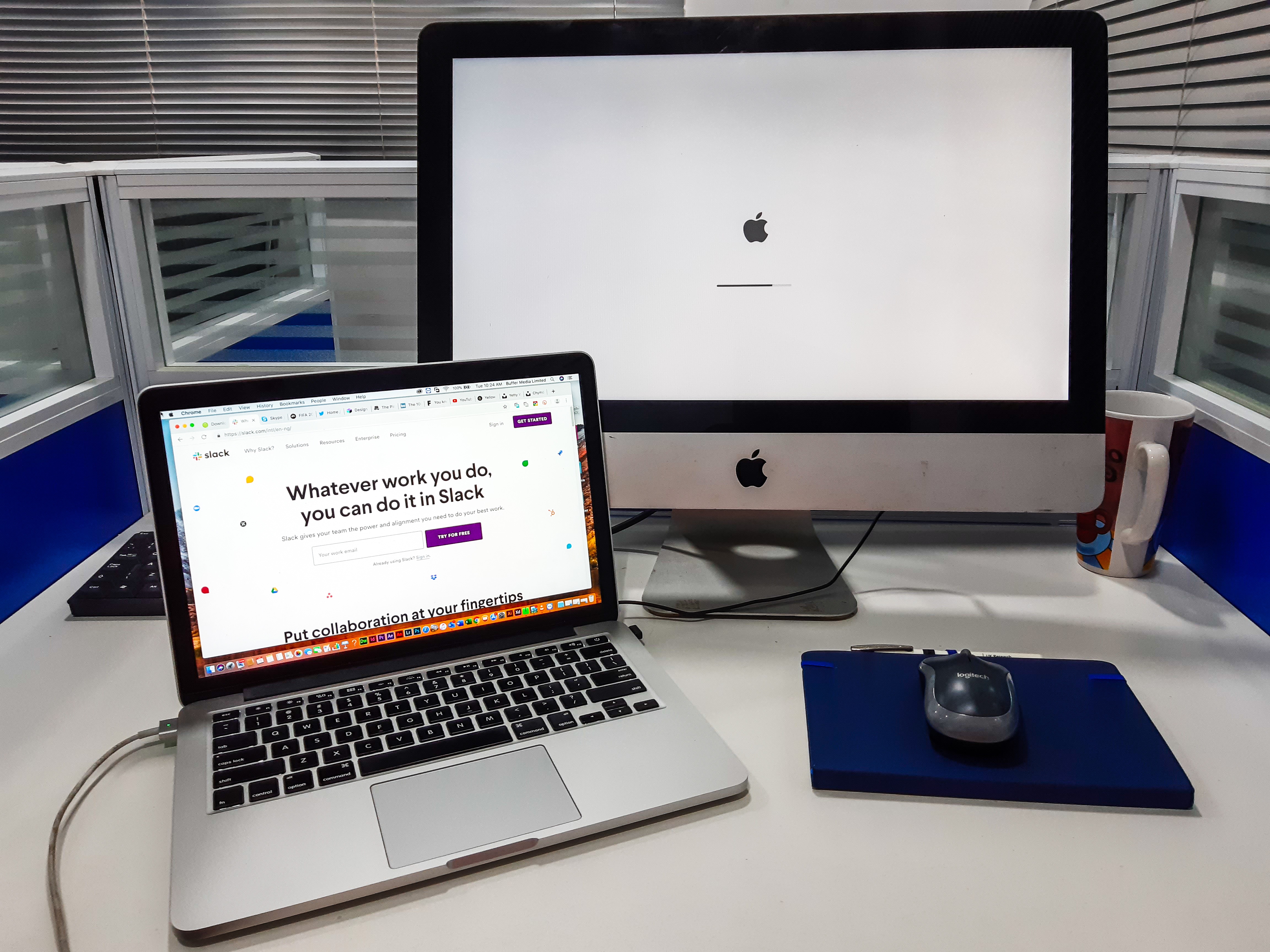
Under the terms of the deal, those who hold shares in Slack will receive $26.79 in cash and 0.0776 shares of Salesforce common stock for each Slack share. A statement released by the Slack team, also on December 1st, states that the “combination of no. 1 CRM platform with the most innovative enterprise communications platform creates the operating system for the new way to work”.
The notion that teamwork across a whole host of organisations will be digitised has been notably hastened by the coronavirus pandemic this year, which effectively forced many companies to adapt to working in an online capacity. Slack claims that this merger will “give companies a single source of truth for their business and a unified platform for connecting employees, customers and partners with each other and the apps that they use every day, all within their existing workflows”.
Matthew Parsons speculates that this combining of forces will not only ease the onus on colleagues attempting to adapt to the ever increasing work-from-home trend, but that it will also be used to assimilate and organise corporate travel. Slack recently launched Slack Connect, allowing other Apps to use the Slack interface; apps such as TripActions and TravelBank have built into Slack’s platform, for instance, allowing immediate notifications to be sent through to their own clients through the messaging service. Currently over 2,400 apps have integrated with Slack. Parsons suggests that the system of ‘channels’ could be used to better order the logistics of mass scale corporate travel; i.e., organising international travel of a team or network.
Slack projects that the partnership will “empower millions of developers to build the next generation of apps”, whilst the Salesforce Twitter account proclaims that “Together, we’ll enable companies to succeed in the all-digital, work-from-anywhere world”.
To keep up to date with the latest commercial news, click on commercial awareness to get your daily dose.
Donate & Support