At the end of last week, Saudi Arabia’s 98.5% state-owned oil company, Aramco, announced a dramatic 44% drop in profits, with earnings of $49 billion in 2020, down from $88.2 billion a year earlier. These profits were not sufficient to fund its annual dividends of $75 billion, almost all of which goes to the Saudi Government which is facing its funding shortfalls.
Aramco’s decline in profit was not unexpected and was in line with the results of other oil majors such as BP and Royal Dutch Shell. The more highly leveraged Exxon Mobil, for example, recorded its first-ever annual loss as the global economy collapsed under the Covid pandemic, travel particularly aviation shrank to minimal levels and the price of oil dropped by 25-30% over the course of the year. Even so, given Aramco’s unique position as the swing supplier in the global oil markets and its overwhelming importance to the Saudi economy, it is worth taking time to reflect on Aramco’s first full year as a publicly-traded company.
Aramco went public in December 2019 with an initial public offering of $29.4 billion. This was the largest ever IPO and made Aramco the largest publicly traded company, before being overtaken by Apple in 2020. Even so, it fell short of the expectations of Saudi Crown Prince Mohammed bin Salman who had planned to establish a public float of 5% of the Company rather than 1.5% and use the proceeds towards diversification of the Saudi economy away from its reliance on oil.
Potential investors had questions about Aramco’s corporate governance, given the overwhelming control of the Saudi government, concerns about human rights issues in the context of armed conflict in adjoining Yemen, and the prospect of increasing global decarbonization. These questions and concerns are equally valid today.
The Saudi Government, through Aramco, has long used its position as the low-cost dominant oil producer to influence the price of oil. This was particularly evident in March 2020 when Aramco slashed the price of oil and flooded the market with low-cost crude to drive US shale oil producers out of business. This was immensely destabilizing in an oil market that was already faced with falling demand from Covid disruptions. This could be seen as Aramco taking actions that benefit Saudi Arabia that may not be in the Company’s best interests. With oil prices back over $60 a barrel and US shale oil producers reentering the market, it is a pattern that could be repeated.
The fiscal and economic position of Saudi Arabia is far worse today than it even was at the time of the IPO. Efforts to diversify the economy, particularly into tourism, have proved impossible in these times of Covid. The economy contracted by 5.5% in 2020, with the non-oil sectors being particularly hard hit. The unemployment rate for Saudis and non-Saudis rose from 6% to 8% with young Saudis and Saudi women being particularly affected. The budget deficit soared from 5% of GDP in 2019 to over 12% in 2020, all of which implies that the Kingdom will be more dependent on oil revenues and dividends from Aramco than was anticipated at the time of the IPO. This could mean additional leverage at Aramco.

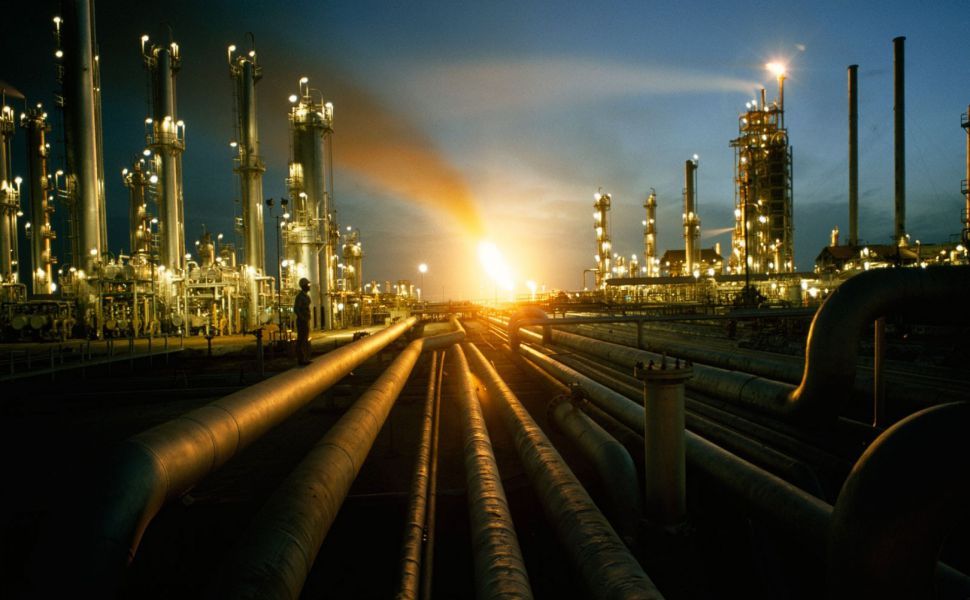
The situation in Yemen has not improved either. There were two recent drone attacks at its installations, including one on the day of the earnings release that started a fire at an oil refinery in Riyadh. Although the fire was quickly brought under control with minimal loss of production, it did serve as a reminder to investors that the situation remains unstable.
Decarbonization and environmental issues continue to be a concern to potential investors of Aramco. As the world moves solely towards reduced carbon targets, global demand for oil and hydrocarbons will decline. Aramco, as the world’s dominant oil producer, will always be at the forefront of production cuts to maintain prices, but with its low production costs and colossal reserves, it is likely to be pumping oil long after its competitors have exited.
To keep up with the latest commercial news, click on commercial to get your daily dose.
Donate & Support