By Bilawal Hammad
Your commercial awareness dose…
Japan, where the sun never sets, is among the world’s most advanced economies. In the world of developed economies, Japan is the second most advanced, and the fourth economy in the world in terms of PPP (Purchasing Power Parity). With a population of 126.5 million, and a GDP (Gross Domestic Product) of $5.6 trillion, Japan’s five-year annual compound growth rate is 1.0%. The per capita income of Japan is $44,227 in terms of PPP (Purchasing Power Parity). The unemployment rate is 2.5%. The CPI (Consumer Price Index) of Japan is 1.0%, while the FDI inflow (Foreign Direct Investment) is $9.9 billion. Japan is a high-income country and is a member of APEC, WTO, OECD, G7, G20, and other trade organisations. However, the Japanese economy has struggled somewhat in 2020.
The GDP growth rate of Japan was 0.3% in 2018, 0.7% in 2019, and is estimated to have a negative growth rate of -5.3% in 2020, although it is estimated that the economy will recover and grow at a rate of 2.3% in 2021. According to the 2017 statistics, the agriculture sector has a GDP of 1.1%, the industrial sector has a GDP of 30.1%, and the services sector has a GDP of 68.7%.
Japan has a household consumption of 55.5%, government consumption is 19.6%, investment in fixed capital is 24%, the export of goods and services is 17.7%, and import of goods and services is -16.8% according to the data of 2017. According to 2013 estimates, 16.1% of the population of Japan is below the poverty line. The Gini Coefficient of Japan is 33.9, meaning that some level of inequality prevails in Japan’s economy. The comparatively high HDI (Human Development Index) of Japan is 0.915; The people of Japan have a very high quality of life.
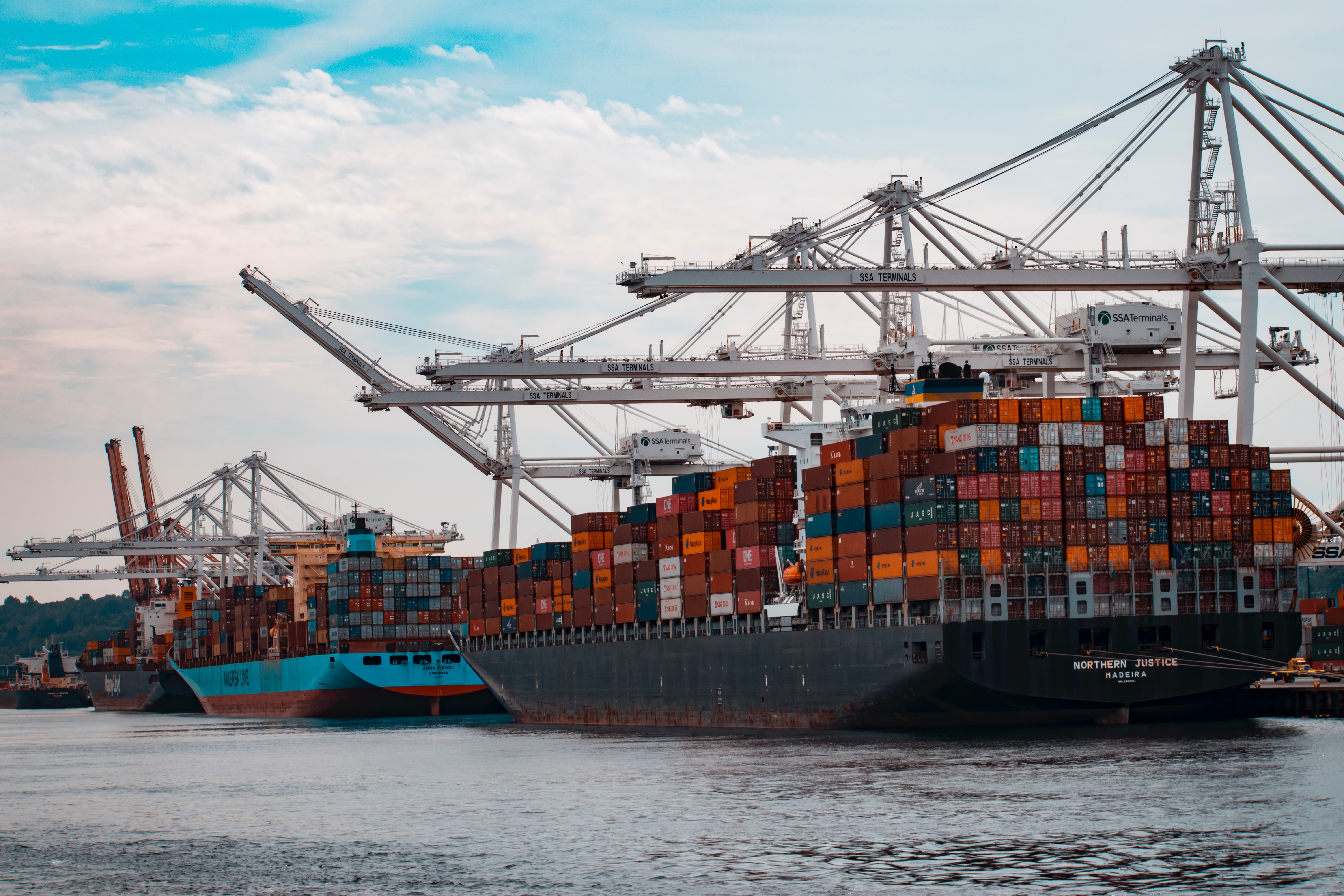
Data for 2020 estimates that Japan’s labor force is more than 68 million. The main industries of Japan are electronic equipment, Machine tools, non-ferrous metal, steel, ships, chemical, motor vehicle, textile, and processed food. Japan ranks 29th in the World Bank’s Ease of Doing Business Index 2020. Japan’s exports were around $700 billion in 2017. Major exports were motor vehicles, steel & steel products, motor vehicle spare parts, plastics, semiconductors, and machinery. Major export partners include the USA, China, EU, South Korea, and Taiwan.
Imports in Japan were $670 billion in 2017. Major imported materials were petroleum, LNG, coal, semiconductors, clothing, and audio and visual apparatus, with China, the USA, the EU, Australia, and South Korea featuring as major import partners. Japan had a current account surplus of $196 billion in 2017, and a debt to GDP ratio of 238% in 2017-18. Japan owes most of the debt to the Japanese national. Japan had a budget deficit of 3.5% of the GDP in 2017. This deficit is on the rise by every passing day as the government of Japan is going through stagnation in revenue generation.
Japan’s economy ameliorated in the post-World War II period, investing heavily in research & development, along with the engineering sector. This led to a surprising rise in the economy of Japan, developing a growth rate of 10% in the 1960s. It grew with a growth rate of 5% in the 1970s, and 4% in the 1980s. The Japanese growth model relied more on innovation and invested a lot in R & D. Japan is the world’s least import-dependent economies, believing as a nation in being self-reliant. Japan’s stock market crashed in 1991-92 and the asset price bubble burst. Afterwards, Japan made a good recovery through its export-oriented policies as we all know that Japan is an export dependent economy.
In conclusion, Japan is one of the world’s strongest economies. It was Japan that gave competition to the economy of the USA in the post-World War II period. But with the start of 2020, the economy of Japan has slowed down. Major causes for this include COVID-19, a fall in exports, and a rise in taxes. The pandemic resulted in a global lesser demand for Japan’s exports, wich has negatively impacted the Japanese economy, contracting by 3.4% from January to March 2020. The economy of Japan experienced a negative growth rate of 7.8% from April to June 2020. There is a ray of hope as the economy of Japan is expected to recover in 2021.
Donate & Support