By Rebecca Shields
Your commercial awareness dose
When it comes to Offshore Wind, you would be forgiven for not knowing much about it. The publicity surrounding it is minuscule in comparison to its better known alternative onshore wind. This is due to its relatively young age (offshore wind turbines were first implemented in the early 1990s whereas onshore wind turbines were realised in 1888 over 100 years earlier) and its lack of controversy. However, this is due to change.
Recently the UK Prime Minister Boris Johnson pledged to have every UK home powered using offshore wind by 2030. To accomplish this will require an estimated £50bn investment and five wind turbines installed every week for the next ten years. This may seem an unrealistic goal considering currently only over 10% of all UK electricity is generated by offshore wind. However, with plans for a contractor auction in the spring of 2021 within the private sector, a clearer indication of whether this goal will be met should become apparent. Initial reports are predicting the auction will raise more than £20bn and create 12,000 jobs in the UK clean energy market.
The UK has a fascinating history with offshore wind. Having established their first offshore wind farm in 2003, they have skyrocketed to the top of the industry. Currently, the UK is leading the world when it comes to offshore wind. With more installed capacity than any other country; The UK not only has the largest offshore wind farm in the world, but it also boasts the largest wind turbines. Due to location, the UK benefits from access to 40% of all the wind in Europe, which has led to 20% of UK electricity being produced by offshore and onshore wind.
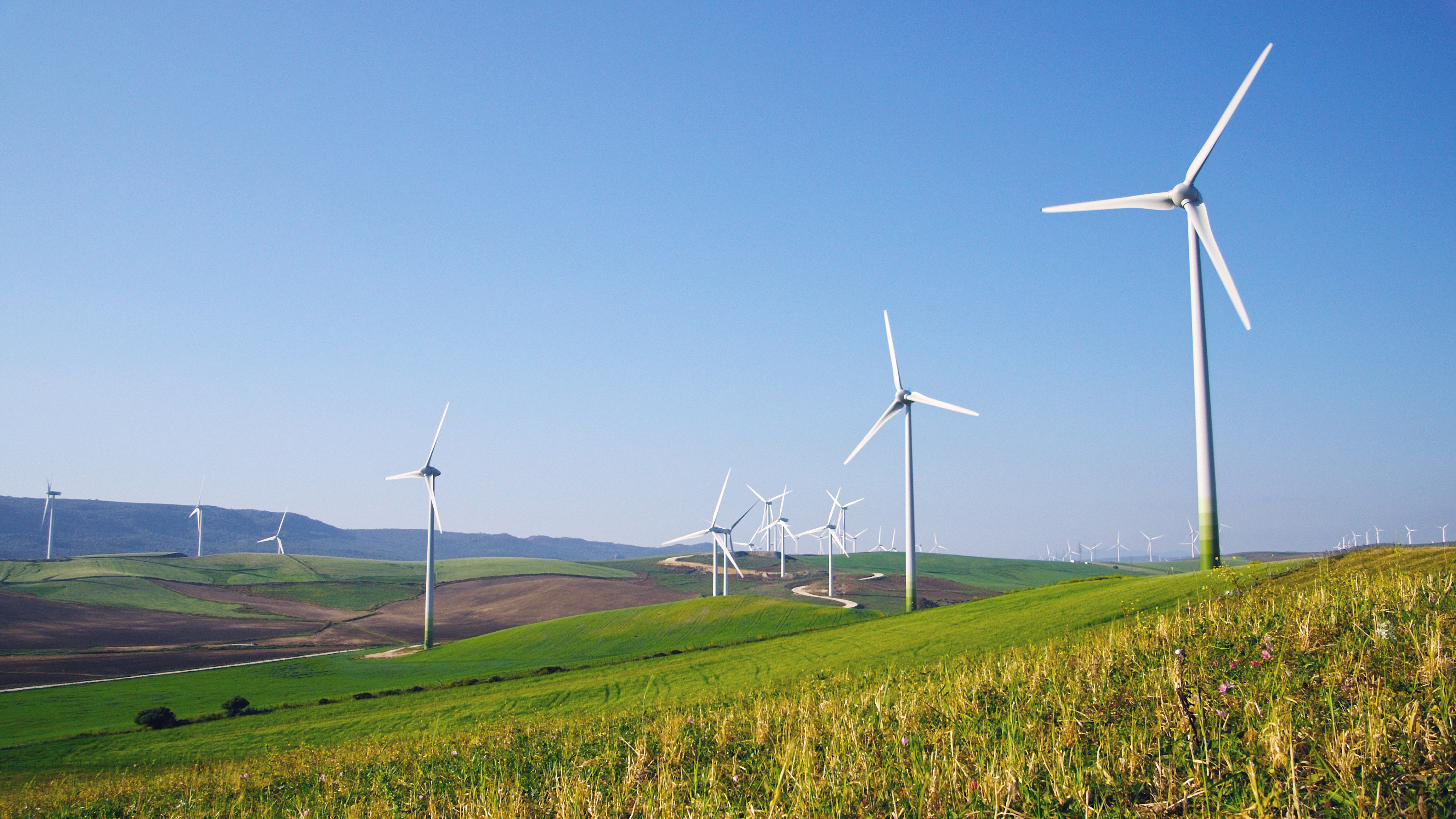
Despite the UK’s consistent domination of the offshore wind market, there is one competitor set to take the top spot. China (currently the world’s leader in onshore wind energy with more than 135,000 turbines on and offshore) is due to take over the UK’s 1st place. China has set the goal of half of its energy to be obtained from renewable sources by 2050, which incidentally is the same year the UK aims to have achieved complete carbon neutrality.
At present China is the world leader for onshore wind energy with over a third of the global capacity. However, there have been inconsistencies and limitations with onshore wind energy in certain regions of China. With some rural regions of the country seeing more than 20% of electricity produced by the wind turbines not get collected. This has pushed China to rapidly develop its offshore wind industry.
China currently has 2.5 gigawatts (GW) of offshore wind energy which is 23% of the global offshore wind capacity with a further 11GW worth of turbines being built throughout the Covid-19 pandemic. A report by the Chinese Wind Energy Association is also predicting a further 52GW of offshore wind capacity will be added by 2030. This will make China the world’s leading offshore wind supplier. In comparison, the UK currently has 10GW capacity and is aiming for 40GW by 2030, placing them firmly in second.
Nevertheless, it is an optimistic outlook for the British offshore wind. So far in the first half of 2020 offshore wind provided 14% of the UK’s electricity, up from 12% the year before. There are additional leasing rounds on seabeds around the British coast in development with a potential for up to 50GW worth of opportunities for offshore wind locations. These developments combined with the Prime Minister’s pledge, the environmental advantages of the UK’s geographical location and their proven track record at fast and innovative offshore wind solutions indicates that if the UK does get knocked off the top spot, it won’t be for long.
Donate & Support