By Oluwayinka Odufote
Your commercial awareness dose
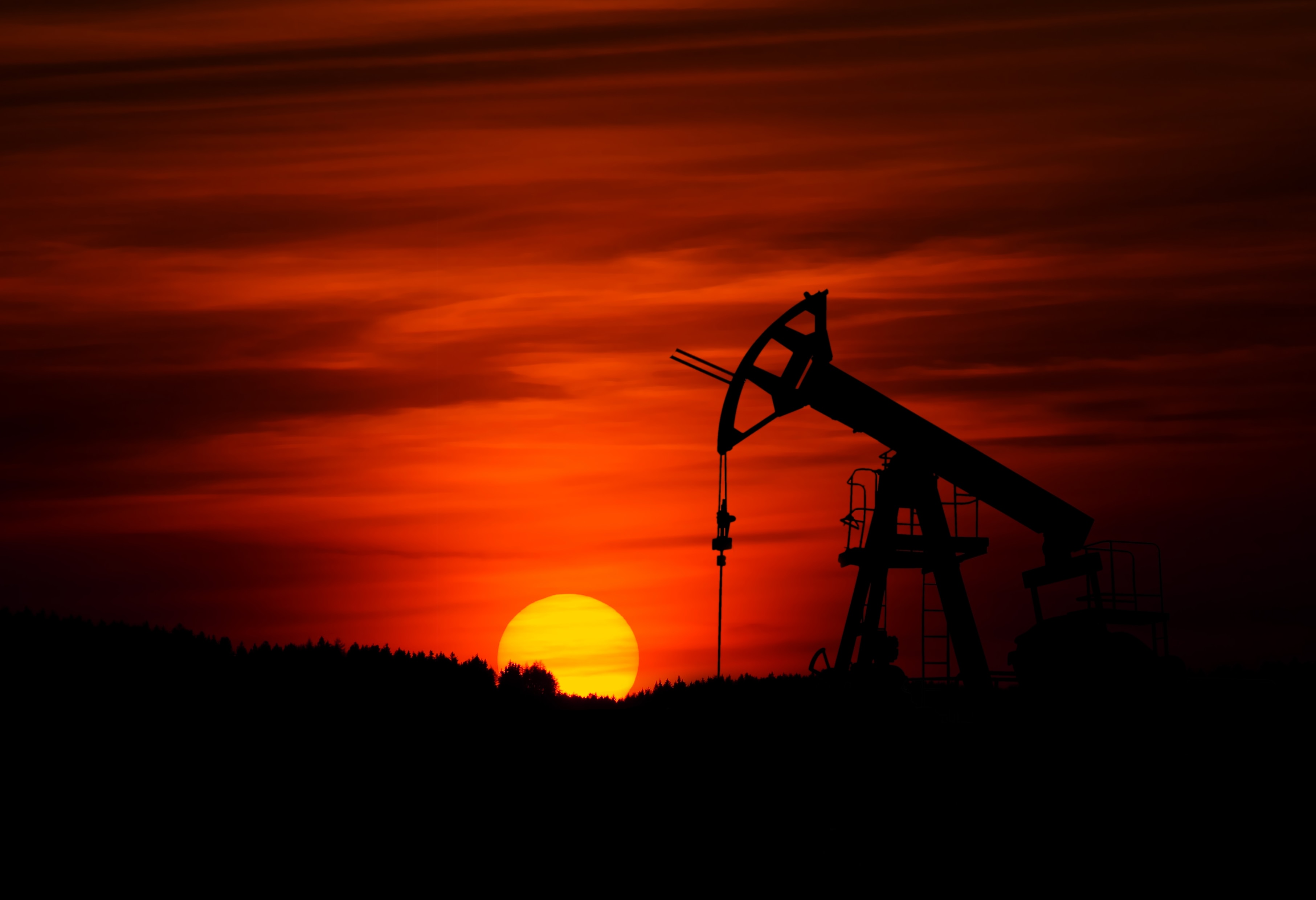
Africa is ranked as the fourth top oil-producing continent in the world. Approximately between 2005 and 2010, Africa contributed over 10 million barrels of oil per day to the production of the entire world’s output, and in 2019 this output significantly dropped to 7.9 million barrels per day. The major oil-producing countries in Africa have always relied on crude oil exports for a large portion of their revenue. However, in 2020, due to the rift between the two oil giants– Saudi Arabia and Russia, the global pricing of oil and production drastically reduced in Africa.
The history of oil exploration in Africa dates back to the1900s. In 1937, a consortium of Shell and British petroleum began exploratory work in Nigeria, and in 1956, oil was discovered in commercial quantity. Before this discovery, other essential oil wells were found in Algeria, Angola, Egypt, and Libya. Today, these countries are the top five oil-producing countries in Africa, with Nigeria being the largest producer of oil in Africa. According to the datasets of the U.S. Energy Information Administration (EIA), these are various factors contributing to the decrease in oil production among the top five oil-producing African countries.
1. Nigeria
Nigeria is the home to the second-largest oil reserve in Africa. It has contributed over 2.5 million barrels per day to Africa’s oil output. Oil contributes to over 95% of Nigeria’s export earnings. In 2017, Nigeria experienced a recession in which the oil price plummeted. Recently, the effect of the COVID-19, accompanied by bad governance and terrorist attacks on the oil reserve, hindered its production of oil. Some global companies, such as Shell and Mobil, extended their branches to operate in Nigeria, and these global oil companies are regulated by the Nigerian National Petroleum Company (NNPC).
2. Angola
Angola is the second-largest oil producer in sub-Saharan Africa, with a production of about 1.4 million barrels per day (bpd). Its oil industry is dominated by the exploration and production of crude oil and liquefied natural gas. Currently, Angola imports 80% of its demand for refined petroleum products, and the remaining 20% of its refined petroleum is sourced locally. Recently, Algeria’s agreement to a production-cut agreement among OPEC+, OPEC, and G2o stakeholders led to a decline in their production of oil from about 1.8 million barrels. In Angola, significant oil companies have invested in their production of oil. These companies include Total, China National Offshore Oil Corporation (CNOON)
3. Algeria
This is the largest country in Africa, with a total landmass of 919,600 square miles. Again, Algeria has the tenth-largest reserve of natural gas in the world and is also the sixth-largest exporter of gas. As of 2019, Algeria produced about 1.3 million barrels of oil. Although, its oil production has solely gone down due to its rate of low investors and production-cut agreement among OPEC members. Algeria has drafted a new hydrocarbons law to attract foreign investors. The dominant oil company in Algeria is Sonatrach, which owns about 80% of total hydrocarbon production in Algeria. International oil companies own the remaining 20%.
4. Libya
It is for the fact that Libya owns the largest oil reserve in Africa. It experienced a 100% increase in its oil revenue in 2016. It produced 1.2 million barrels of oil per day. The abnormal growth from 2016 was ascribed to a temporary truce among the warring groups in Libya. It was also exempted from the OPEC production cuts. But from 2016 to 2019, Libya lost more than $100 billion in oil production. The reason for this is that the country’s most extensive oil facilities are located in the war-ravaged area of Libya. No doubt, the civil war in Libya resorted to the fall in the production of oil. Before the civil war, the Libyan oil sector had international oil companies, but today, little can be said about the future of oil exploration in Libya.
5. Egypt
Out of the top five oil-producing countries in Africa, Egypt’s oil output has remained stable. The land produced 630,000 barrels of oil per day. It is important to note that Egypt is not a member of OPEC, which enabled the country to maintain a stable production of oil. Lately, the Egyptian government announced the discovery of oil in the southern Gulf of Suez. This discovery has increased Egypt’s oil production by 2,000 barrels per day. The Egyptian government also implemented investor-friendly reforms, and the EGPC (Egyptian General Petroleum Corporation) partnered with several international oil companies like Eni and Bp in both offshore and onshore production.
Donate & Support