By Lola Miller
Your commercial awareness dose.
Russia has announced that their vaccine against COVID-19, named SputnikV, has a 95% effectiveness rating. The Russian Direct Investment Fund has been financially backing the vaccine, as well as marketing it. The RDIF and a leading pharmaceutical company in India, named Hetero, have agreed to “produce over 100 million doses of the #SputnikV vaccine in India”, according to the @sputnikvaccine Twitter account. It will supposedly cost as little as 20 US dollars per person to produce; cheaper than both the Oxford and Pfizer vaccines being developed in the West.
The creators of SputnikV have offered support regarding the success rate of the Oxford vaccine, created by leading scientists at the University of Oxford in partnership with pharmaceutical giant AstraZeneca. This vaccine is currently projected to have a 70% success rate, which could reach 90% depending on dosing.
The SputnikV twitter account names itself the “first registered vaccine against COVID-19”. Despite this, there has been speculation regarding the proclaimed 95% rate, as well as questions regarding the trials process: the vaccine was released prior to the results of the third phase of trials. Further, The Guardian cites reports of officials in Russia having been pressured to take part in the vaccine trials.
Within the European Union, buying into this vaccine would not currently be possible, as the European Medicines Agency must first authorise the vaccine in order for EU states to approve it for general use.
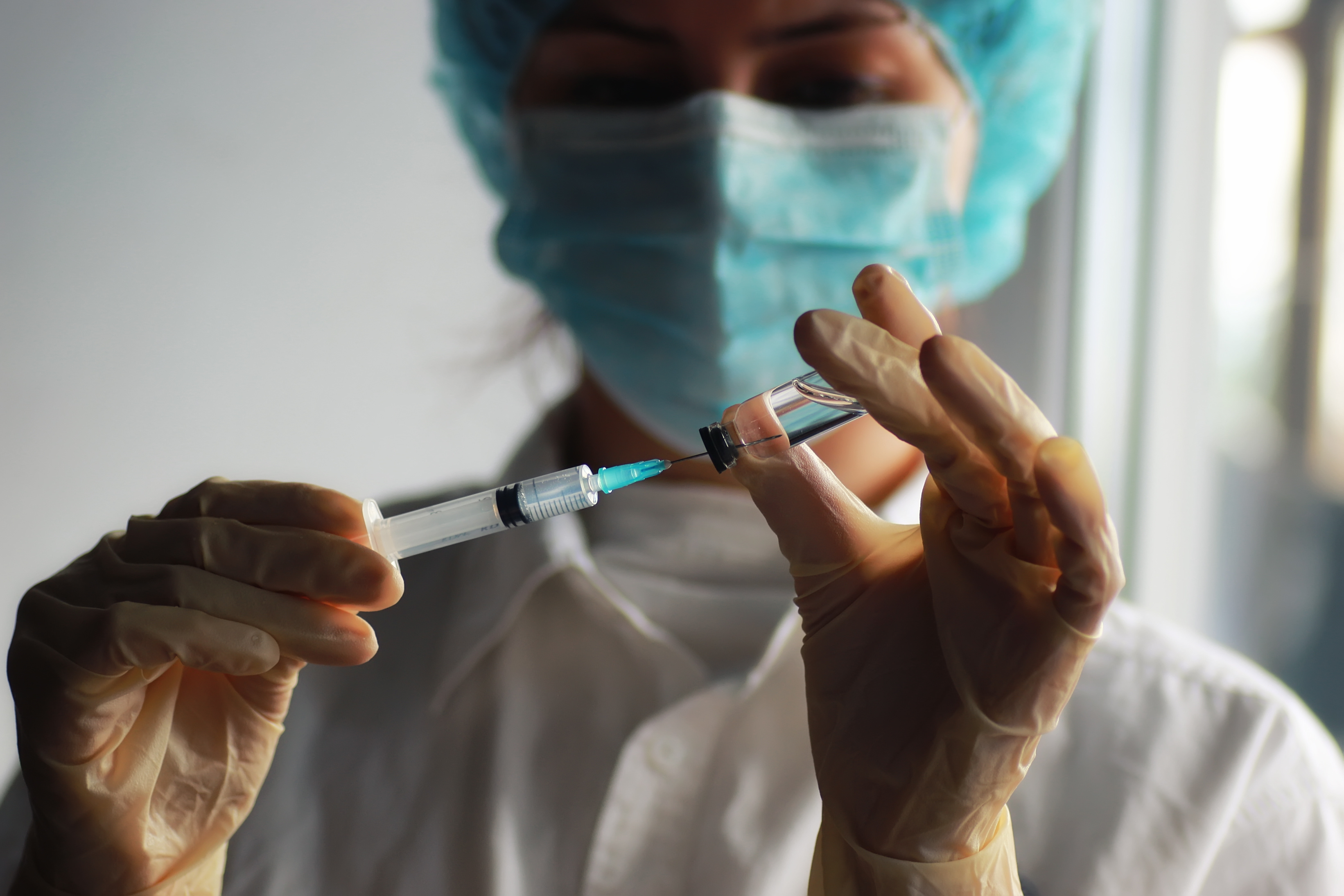
That the rush to develop a vaccine for coronavirus has become an international competition is evidenced by the very name of the Russian vaccine. “SputnikV”, in homage to Sputnik I, the first satellite sent into space, recalls the Space Race between the US and the Soviet Union. Here, the global superpowers raced to make headway in space technology, broadly cited as lasting from 1955-1969. The space race itself was borne out of the arms race between the US and USSR at the height of the Cold War. The nomer ‘Sputnik’ for the vaccine is therefore significant: it reminds the world of Russian scientific and military/political eminence on the global stage.
The Russo-Western relationship has long been fractious, even post the dissolution of the USSR. Political analyst Jonathan Marcus said in 2016 that: “it is hard to imagine a period since the end of the Cold War when relations between Russia and the United States have been quite so bad”.
Within the last year, such relations have arguably worsened. The poisoning of Russian opposition leader Alexei Navalny in August 2020 led the EU to essentially accuse the Kremlin of orchestrating this attack, stating that it could only have been possible “with the consent of the Presidential Executive Office”. The Kremlin denied opening an investigation, stating it saw no evidence of a crime being committed.
Further tensions have developed due to western activists’ outcry against the political situation in Belarus, where mass protests have been occurring since August. The protestors claim that the election was rigged in favour of Alexander Lukashenko, who has received public support by Vladimir Putin, President of Russia since 2012 [also holding the office during 1999-2008]. Sarah Rainsford suggests that the Kremlin is “trying to keep brotherly Belarus, broadly, in Moscow’s orbit and making sure disgruntled Russians do not get any ideas about the effectiveness of mass protests”. Human Rights activists in the West have voiced their support for Belarusians living under Lukashenko, so supported by Putin – who has also faced claims of corrupt elections.
The U.S.-Russian relationship specifically came under global scrutiny after claims were made that Russia manipulated the 2016 US Presidential Election, which saw Donald Trump elected. The now infamous Mueller report, released in 2019, found that Russian interference in the 2016 presidential election was illegal and occurred “in a sweeping and systematic fashion” but was welcomed by the Trump campaign, who saw the opportunity to benefit from said interference.
Incumbent President Trump has in the last few days pardoned Michael Flynn, his ex-national security advisor, whom he’d previously fired after pleading guilty to lying to the FBI about communications with Russia’s ambassador. Some have speculated that this act of pardoning may be an attempt by Trump to buy silence regarding his own potential involvement in the Russian interference.
Last week Putin remained one of the few world leaders not yet to congratulate Joe Biden on his election victory, arguing the results were not yet conclusive. Putin denied that the Kremlin’s decision not to congratulate Biden was borne of ulterior motives. When questioned as to whether this move could damage U.S – Russia relations, he responded: “there’s nothing to damage, they’re already ruined”. Whilst not directly endorsing Trump, nor disavowing Biden, this statement hardly suggests repair to the relationship is on the horizon.
Angela Stent, an expert in Eurasian, Russian and East European Studies, states that the Western pursuit of “Russia’s global economic integration” has not led to “more positive political relations”. With the upcoming release of SputnikV, it remains to be seen whether this reported scientific [and by extension, economic] advancement of Russia will fuel Russo-Western tensions, or facilitate a friendlier, collaborative approach to overcoming the global pandemic.
To keep up to date with the latest commercial news, click on commercial awareness to get your daily dose.
Donate & Support