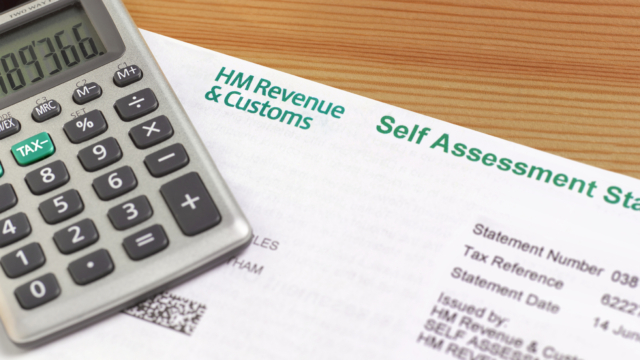
The current tax year in the United Kingdom currently runs from April 6 and ends on April 5 of the following year.
These dates are disharmonious with other countries’ tax years such as the United States, France, and Germany who follow the calendar year (beginning on January 1 and end on Dember 31).
Up until 1752, the tax year in Great Britain started on March 25, which is old New Year’s Day.
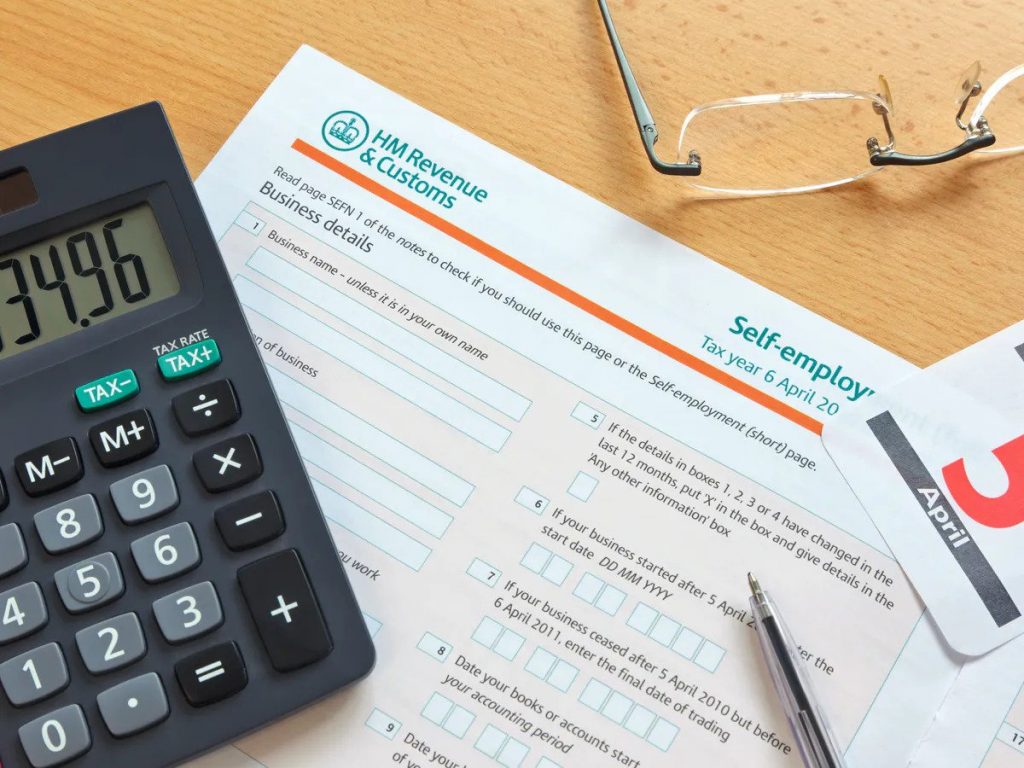
To ensure that there would be no loss of tax revenue, the Treasury at the time decided that the taxation year, starting from March 25, would be of the usual length (365 days) and therefore end on April 4. The following tax year then beginning on April 5.
The year 1800 however, was not a leap year in the new Gregorian calendar as the country was moving away from the old Julian system. Consequently, the Treasury moved the year start again from April 5 to April 6, which has remained unchanged ever since.
In recent months, professional bodies such as the Institute of Charted Accountants in England and Wales and the Chartered Institute of Taxation have pressed the UK Government to consider Changing the tax year-end date to December 31.
In response, the office of Tax Simplification has announced they are exploring the possibility of moving the end of the tax year and are expected to publish findings shortly.
The British Chamers of Commerce has also expressed support in moving the tax year, so long as measures are in place for a smooth transition and there will be minimal extra bureaucracy for businesses.
A survey released in August affirmed that a large majority of business owners in the UK are also in support of the change. Findings concluded that 91% of the 500 UK companies (earning £10m-£300m) who responded, support proposals to end the tax year in December.
This change would undoubtedly support companies that do business overseas in addition to Her Majesty’s Revenue and Customs (HMRC). The new alignment will help taxpayers calculate and HMRC to check that the correct amount of taxes are paid by those doing business in more than one country.
While there appears to be overwhelming support for the change, the transition is likely to be expensive and complex.
It will take a minimum of one year for the new system to be fully adopted and would also subtract three months and five days in the process of transitioning from April 6 to December 31. This will accelerate taxes for businesses that year.
Additionally, several processes including pension payments and payroll are tied to the April 5 date and therefore will require significant administration to amend.

Many have warned that HM Revenue and Customs must take care not to add cost or administration burdens for businesses.
Despite these hindrances, it is up to the HMRC and other statutory bodies to come to a decision and put processes and in place that would ensure a smooth and as painless as possible transition.
To keep up with the latest legal news, click on legal to get your daily dose.
Donate & Support