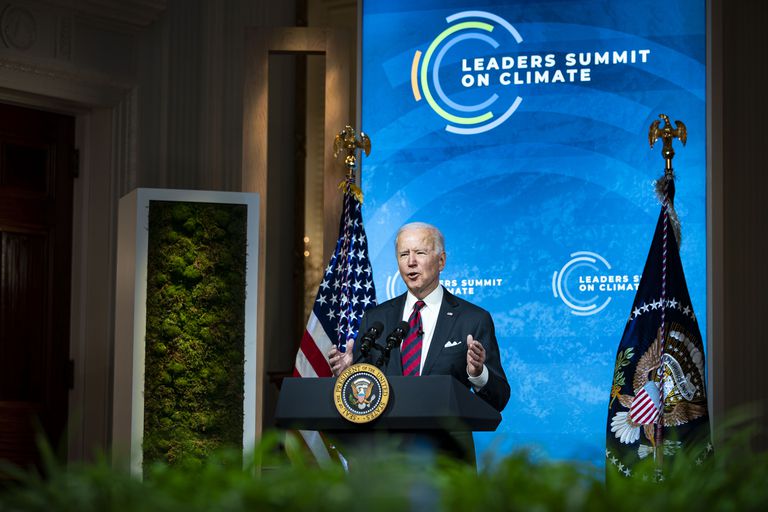
At a recent virtual summit held by US President Joe Biden, he announced that the US has set new emission targets. The US now hopes to reduce carbon emission rates by 50-52 per cent below 2005 levels by the year 2030. Many were surprised by this, as it is an extremely ambitious target and will take immense effort and reform across the US to meet the goal.
However, despite the surprise, many are happy to see that not only the U.S., but other superpowers are taking steps towards the drastic change needed to combat the current climate crisis we face today.
Biden is now steering towards combating climate change
The virtual summit held by President Biden last week was attended by 40 global leaders, from countries such as the UK, China, Canada, and Australia. It was there that Biden announced the United States’ new emission targets for 2030. The new target of 50-52 per cent is around double of what was previously promised, showing President Biden’s commitment to dealing with climate change, which is something that he has made a priority since taking office earlier this year in January beginning with re-joining the Paris climate pact that Donald Trump had withdrawn from in 2017.
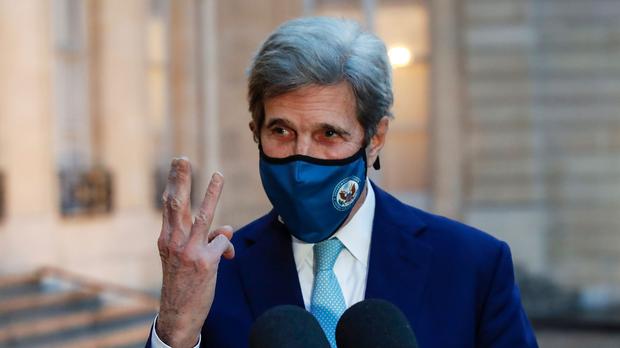
President Biden stated at the virtual summit that, “Scientists tell us that this is the decisive decade – this is the decade we must make decisions that will avoid the worst consequences of the climate crisis.” He continued to emphasise just how dire the situation is, “The world beyond 1.5 degrees means more frequent and intense fires, floods, droughts, heatwaves, and hurricanes – tearing through communities, ripping away lives and livelihoods.”
How will the US be able to reach such an ambitious target?
President Biden has previously stated that there are not only moral motivations for tackling climate change, but economic as well. This will be needed as the US plan to rely heavily on private investment and new green technology that is yet to be fully developed. Currently, the US has a long way to go to reduce carbon emissions.
In 2019, US emissions were 13 per cent below what it was in 2005, and the goal is to raise that to over 50 per cent in under a decade. To do this, they will need comprehensive effort across sectors, and policies from the federal administration and the states.
Kelly Sims Gallagher, a former senior Obama White House Official expressed their concerns that the US has not yet passed climate legislation like what has been done in the EU. “The US lacks this comprehensive legislation and instead has pursued a patchwork approach with limited authorities.”
There will be a need for a massive transformation of the US economy, as well as jobs and healthcare to reach the 2030 target. A factsheet created by the University of Maryland breaks down what is required to reduce emissions, which can be read here.
Other countries have also stepped up to the climate crisis
One week before the virtual summit, China and the US said that they would be committed to working together and with other countries to tackle climate change. The UK has also set a new target, which is a 78 per cent emission reduction relative to 1990 levels by the year 2035.

Canada increased their initial target from a 30 per cent reduction to a 40-45 per cent reduction. The EU is still set on their target of net zero emissions by 2050, as they currently lead as an example for the fight against climate change.
Although a lot will need to be done, President Biden has taken needed action to combat climate change, as Nathaniel Keohane from the US Environmental Defence Fund has expressed, “President Biden has met the moment and the urgency that the climate crisis demands. It is highly important that these goals are met, and that net-zero emissions can be achieved by 2050 to turn around the climate crisis we face.
To keep up with the latest commercial news, click on commercial to get your daily dose.
Donate & Support