The outbreak of coronavirus has – perhaps unsurprisingly – hugely impacted both global and local economies as it has significantly changed how many of us experience the world of work. A continuing and disturbing trend, however, as we watch the simultaneous rise of rates of unemployment and working from home opportunities both, is the surging impact upon women.
The lack of job opportunities being available is clear universally; Rishi Sunak (current Chancellor of the Exchequer) projected that 2.6million people would be unemployed in the UK by mid-2021 –representing 7.5 per cent of the working-age population. Analysis by the Harvard Business School shows that women’s rate of unemployment is significantly higher than that of men: their jobs are 1.8 times more vulnerable. Globally, women makeup 39 per cent of the active workforce but constitute 54 per cent of job losses as of May 2020. Contributing to this statistic is women’s disproportionate representation in industries most devastated by the pandemic, such as hospitality and retail sectors.
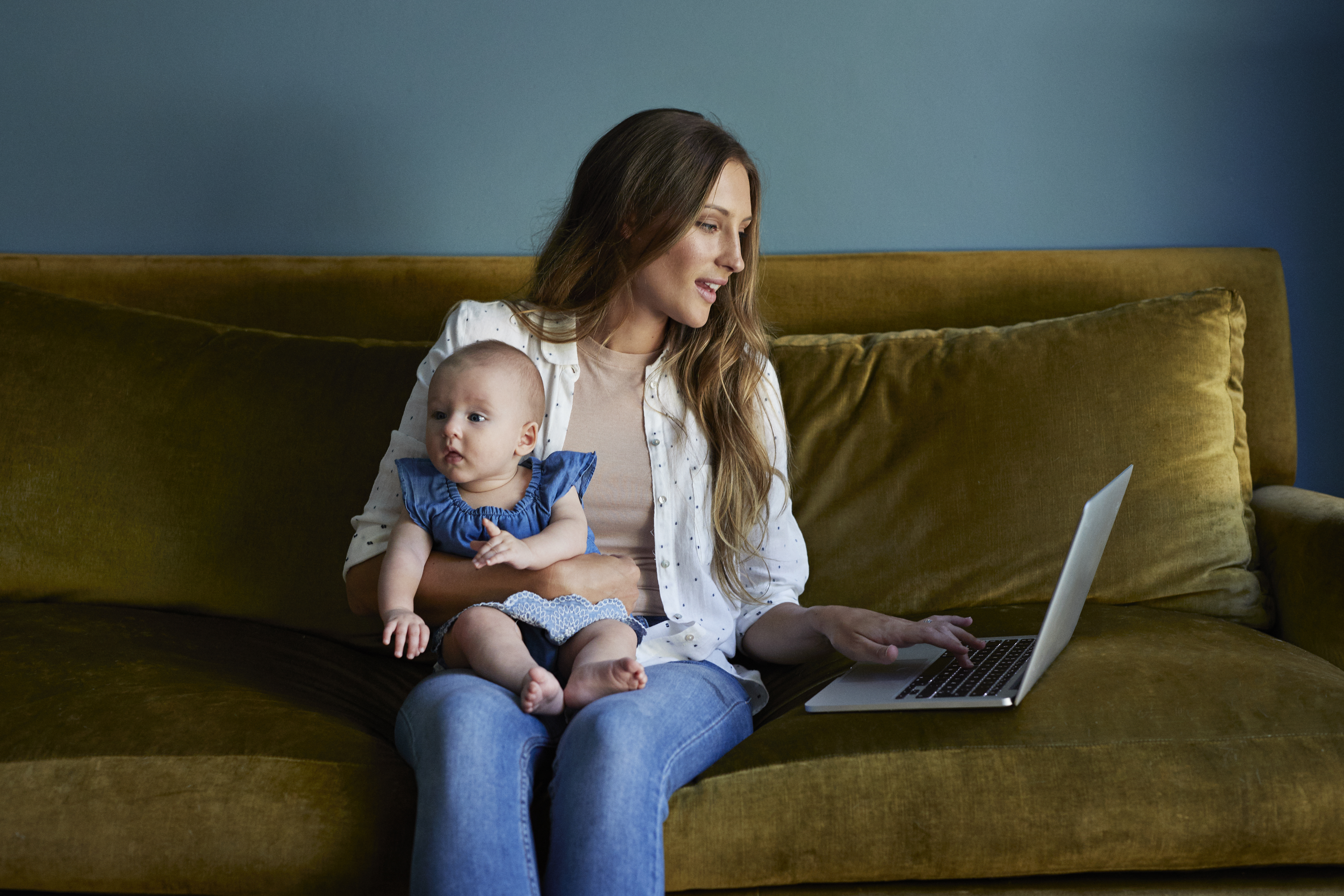
The coronavirus pandemic has seen a vast shift not only in who can secure work, but further, where we work. The ONS reported that in April approximately 47 per cent of the UK population were working from home. As a result of this, the quantity of unpaid labour women complete has seen a sharp increase. Childcare, cooking, cleaning, indeed even home-schooling, are all more likely to fall to women in the home. Indeed, Melinda Gates writes that “women already did about three-quarters of that work; in the pandemic, the breakdown is even more lopsided”.
As the third lockdown in the UK begins, parents are once again faced with the challenge of home-schooling their children. Statistically, women are more likely to find themselves facing the brunt of this challenge. Beyond this, women also tend to carry more home-based ‘emotional labour’; ensuring the health and well-being of the family, particularly children, often lands in the lap of the mother. Many women report that their ability to perform within their professional roles has been compromised by this rise in unpaid duties during the pandemic. The Institute for Fiscal Studies reports that women are more likely to be interrupted whilst doing their paid work, in turn impacting their performance. Essentially, this could result in dismissal or redundancy, or indeed, reduced chances at promotion.
Other barriers to women’s performance at work include an upsurge of mental health issues and instances of domestic violence: both of which women disproportionately fall victim to. Working at home often results in increased experiences of loneliness, which may sometimes lead to anxiety and depression, a phenomenon which has majorly affected women. Lockdown circumstances have also purportedly led to an escalation in domestic violence and abuse, which would naturally impact the amount that women are able to flourish in a work from home environment. There are therefore varying factors, borne out of systems of oppression which women have long been subjected to, which are influencing how women currently experience the world of work.
To keep up to date with the latest commercial news, click on commercial awareness to get your daily dose.
Donate & Support