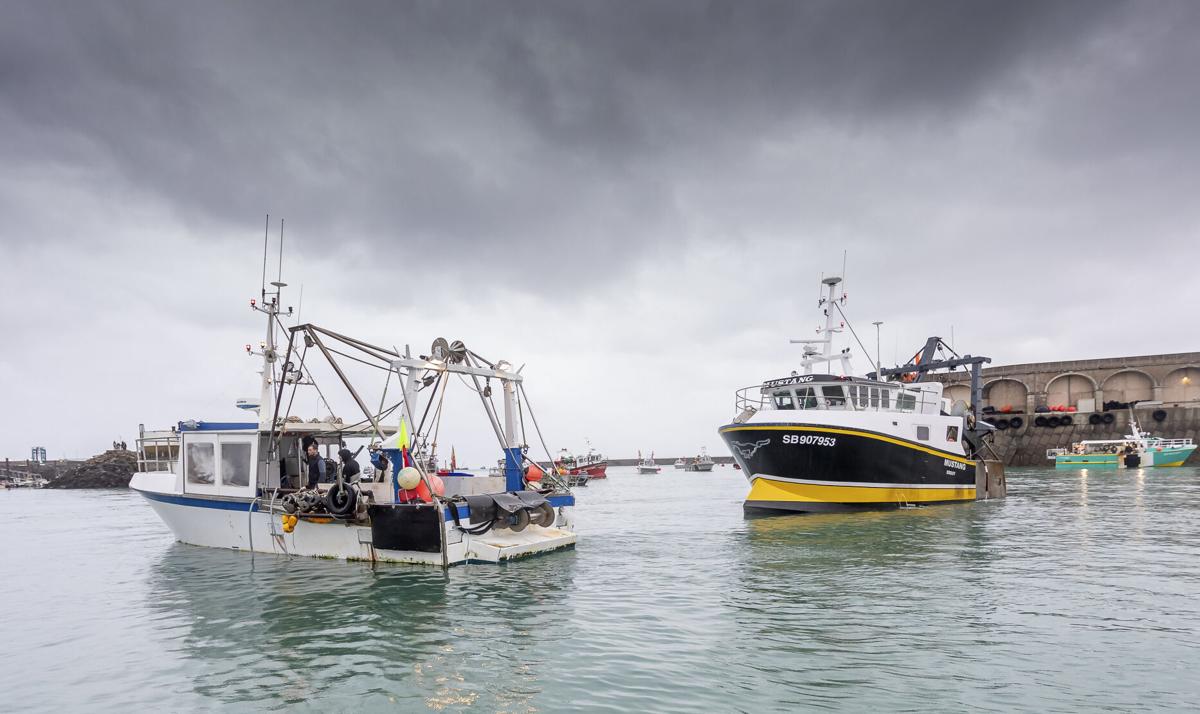
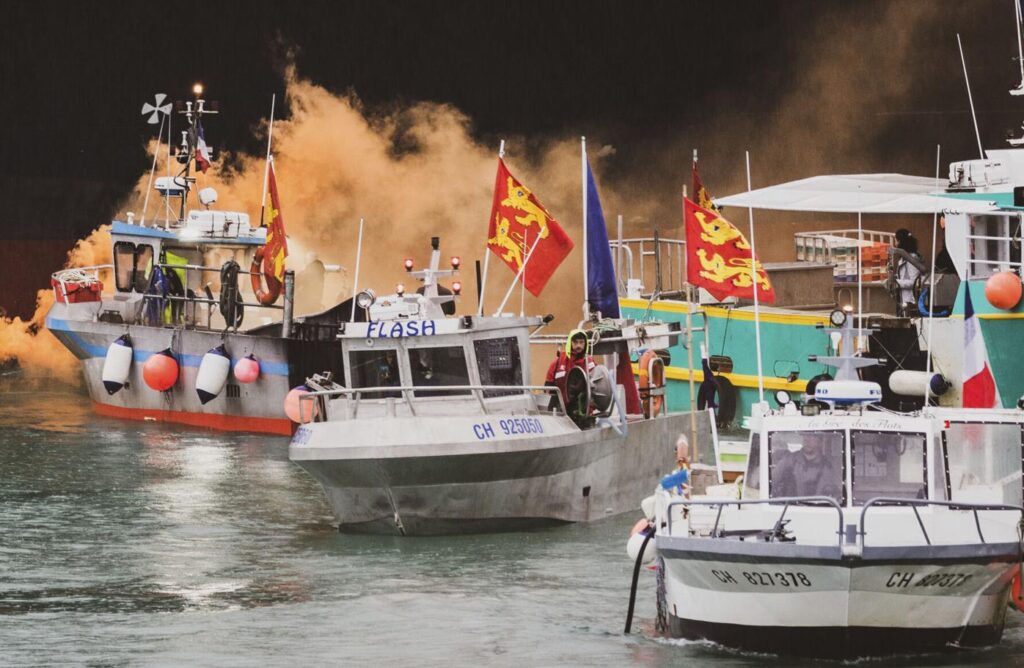
After an explosive 24 hours in which 60 boats blockaded the harbour of Jersey, the largest of the Channel Islands, the EU accused Westminster of flouting the terms of the Brexit trade deal on fisheries, as France sought to significantly de-escalate tensions reaching dramatic levels.
On Tuesday 4th May, France threatened to cut Jersey’s electricity supply over the UK’s perceived breaking of the Brexit deal, which caused Downing Street to send two naval vessels to the area. 95% of Jersey’s electricity supply comes from three underwater cables from France, so this threat carried no small force. Boris Johnson, not necessarily known for his diplomatic abilities, verbally signalled his ‘unequivocal support for the island of Jersey after a French boat rammed a British vessel.
The nautical conflict is the most recent instance of tensions arising from the shortcomings of the UK-EU Trade and Cooperation deal (TCA), which was notoriously delayed in December over what was perceived at the time to be excessive scrutiny of British rights to fishing in Channel waters.
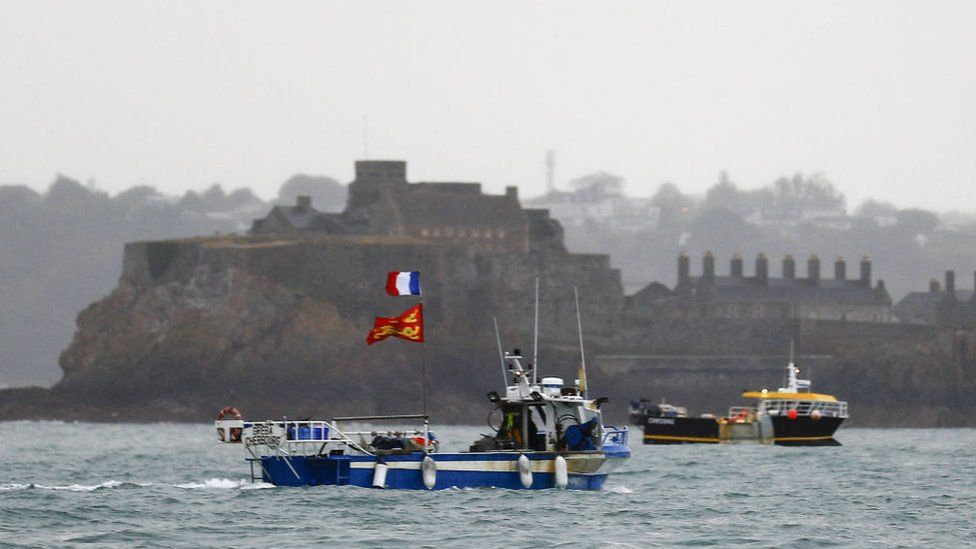
It was agreed that French fishermen, with a history of working in coastal waters, would be able to apply for licenses to continue fishing in these areas, but French fishermen argued that having to provide electronic monitoring data unfairly restricted their rights, especially given the fact that smaller boat operators are less likely to have the GPS equipment required.
Brussels accused the UK of not obeying the terms of the deal when the Jersey government introduced new fishing licenses, introducing new terms which limit the number of days and gear that can be used for fishing. Brussels stated that “Under the EU-UK TCA, any proposed management conditions have to be notified in advance to the other party, giving them sufficient time to assess and react to the proposed measures,” and that “The commission has dedicated to the UK that the provisions of the EU-UKTCA have not been respected. Until the UK authorities provide further justifications on the new conditions, these new conditions should not apply.”
French PM Emmanuel Macron sought to defuse tensions, as a senior politician described how retaliatory measures would be a “last resort”. But in a French journal entitled Journal du Dimanche, French Secretary of State for European Affairs Clement Beaune described how France “will not hesitate to take retaliatory measures in other areas, such as access to financial services” if pending fishing licenses are not approved.
Michel Barnier described Boris Johnson’s government as behaving like “buccaneers“, and “not for the first time”. “I think the French fishermen are right and they must be supported,” Barnier said. “The French authorities, the government and the European Commission must support these fishermen.”
Jersey’s Senator Gorst said that “We agreed that all sides remain committed to engaging with our partners in the EU and France to resolve the concerns arising from the issuing of fishing licenses under the Trade and Co-operation Agreement, which led to today’s protest”.
French boats left the harbour of St Helier at 2:30 am on Thursday, feeling that their plan to raise awareness of the situation on the international stage had been achieved. British naval patrol vessels remain in the area “to monitor the situation as a precautionary measure”.

Dimitri Rogoff, the President of the fishing association in Normandy, said that “The show of force is over, now it’s politics that has to pick up the baton”. No official resolution has been brought to the crisis, and it will now be up to diplomatic efforts to address any further tension, which is likely to continue until French fishermen feel problems surrounding the issuing of fishing licenses are addressed.
To keep up with the latets commercial news, click on commercial to get your daily dose.
Donate & Support