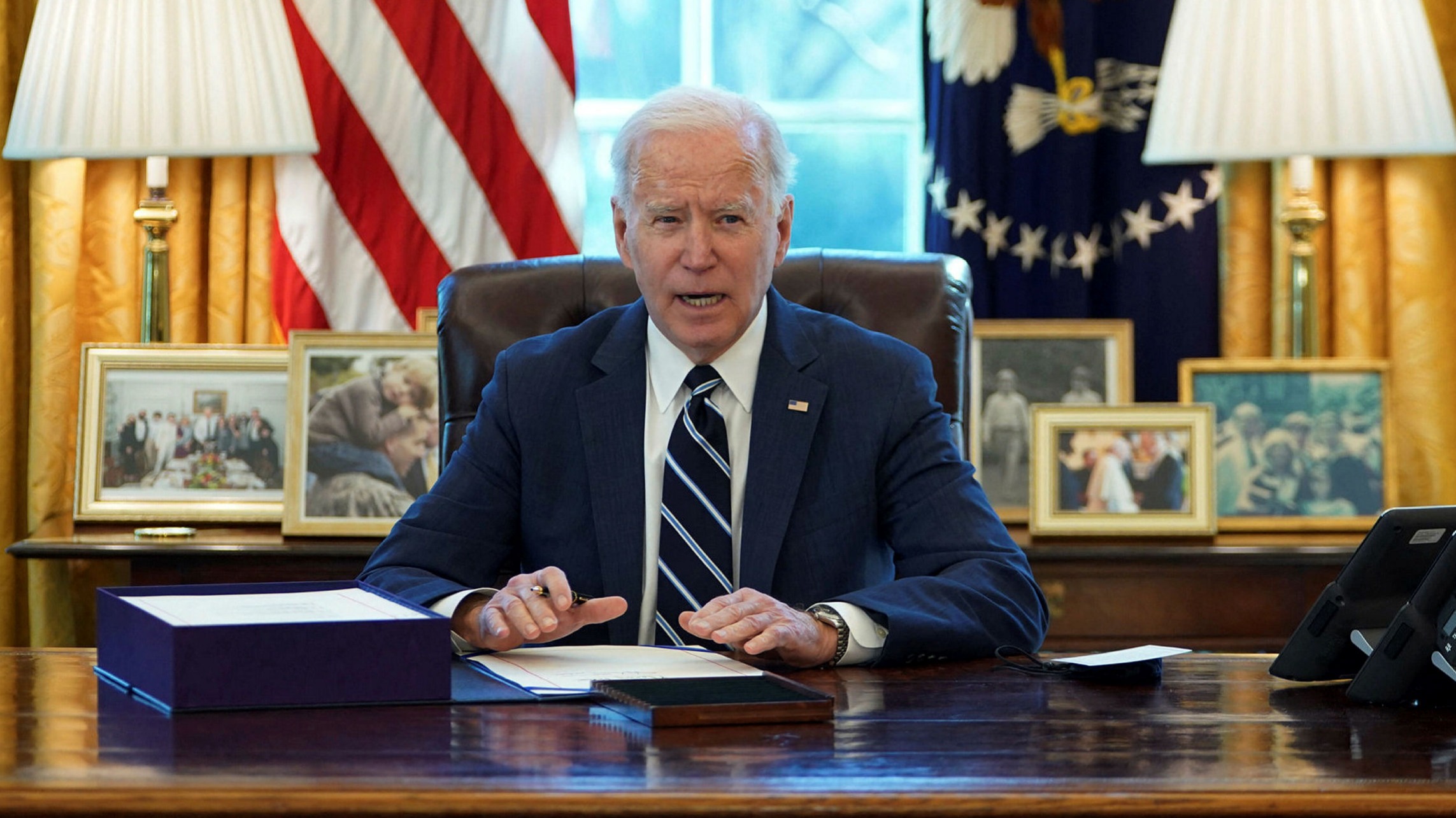
On March 11th, 2021, American President Joe Biden signed a $1.9tn stimulus package into law, in an attempt to assist Americans in mitigating the economic impacts of the pandemic. The package is worth 8.5% of the United States national income. This was Biden’s main legislative objective as President, and the Congressional approval is a major victory for his administration.
What does it include?
The stimulus bill will allow the U.S Treasury Department to send American citizens earning $75,000 or less annually payment of $1,400. Additionally, the bill will allow states to process unemployment benefit extensions until September, which was previously due to expire on March 14th.
Commercial impact
Nationally, the bill is projected to improve consumer spending. More importantly, there will be international implications in light of the stimulus package. A thriving US economy may result in a spillover of economic demand in other parts of the world, especially trading partners of the US, such as Mexico and Canada.
Further, for nations that borrow in their currency, such as advanced economies, the faster growth will result in increased potential exports, which generally boosts investments.

The Organisation for Economic Co-operation and Development (OECD) reported that the stimulus package will boost the global economic recovery. In light of the bill, as well as efficient vaccine roll-outs in various countries, the OECD has suggested a stronger economic recovery may be afoot. The stimulus will add close to 1 percentage point to global economic growth in 2021, resulting in a total of a 5.6% expansion of the global economy, an improvement from the previously forecasted 4.2%.
Drawbacks?
Although economic demand is favorable, too much too fast is not good. This could lead to capacity constraints, which would lead to higher inflation, causing higher interest rates globally.

This would disproportionately and adversely affect poorer, less advanced countries as they typically do not borrow in their currency. One possible consequence of higher interest rates is that some governments may struggle to service debt.
To keep up with the latest commercial news, click on commercial to get your daily dose.
Donate & Support