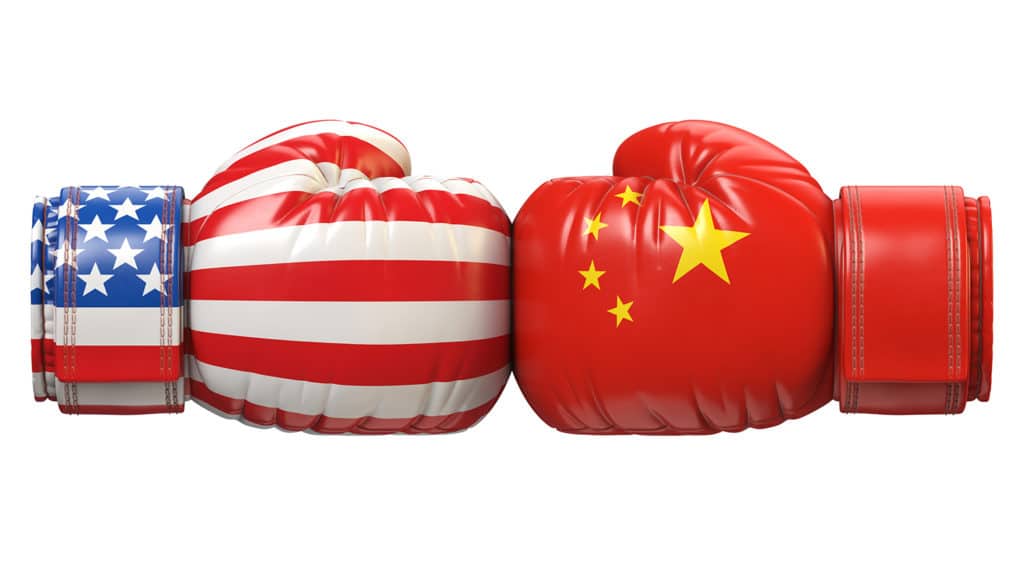
The economic trade war between the two behemoths of the global economy, China and the United States, has recently become tenser, with China announcing its plans to place controls on its production and exportation of rare earth metals.
What are rare earth metals?
Rare earth (RE) metals are a set of 17 lustrous silvery-white soft heavy metals, and despite their name, are available aplenty globally in the Earth’s crust. Once they are extracted from mines, REs are taken to separation facilities, wherein they are separated from other minerals. Then, the REs are separated into three core by-products; oxides, metals and magnets.
The by-products are utilised in the manufacturing of a variety of integral components of modern society, from petroleum refining, electric motors, and wind turbines, to portable electronics, microphones and speakers. As nations across the globe continue the shift towards electric vehicles, the importance of REs continues to grow.
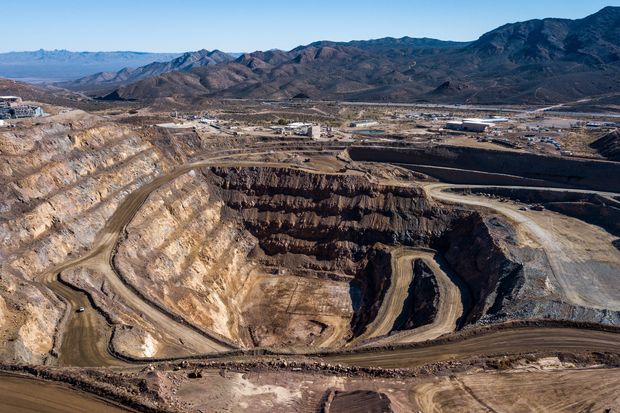
China’s role in the global REs supply chain
The Chinese government has placed its supremacy in the RE commercial landscape as a key element in their plan to build the world’s biggest economy, and even declared REs a “strategic resource“. Early on, this entailed China strategically flooding the RE trade market with prices below market value, hence deterring competitors from sustaining their businesses. Pre-covid, this enabled China to be responsible for over 80% of America’s RE imports, as per the U.S. Geological Survey.
China controls close to four-fifths of the global RE refining capacity. Despite China’s near-monopoly status in the refining process of REs, it has faced issues with RE supply needed for domestic manufacturing. China’s demand exceeded its supply of REs consistently over the past five years, which has resulted in China importing additional REs from miners in the US and Myanmar.
Difficulties the United States faces in implementing a domestic supply chain for REs.
In the 1980s, the US Nuclear Regulatory Commission (NRC) and the International Atomic Energy Agency (IAEA) amended their definition of source material, which resulted in some valuable REs being defined as a precursor for nuclear fuel. Hence, REs could not be processed or extracted in the US or other IAEA member states.
China, on the other hand, is not restricted by the IAEA regulations, as it is not a member state to the Agency. Hence, China was able to continue to work towards establishing a domestic supply chain for REs, whilst the United States was constrained.
China’s announcement
The Ministry of Industry and Information Technology of China proposed limiting the production and export of REs, following on from its decision in 2007 to limit production to keep prices high and reduce pollution.
However, this has been criticised as it may lead to China’s rivals accelerating their own RE production plans, and consequently undermine China’s role in this sector.

How can the US respond?
Companies, like Lynas, have won government contracts worth $30 million from the Pentagon to set up RE processing plants in regions such as Texas in the United States to accelerate the domestic supply chain in the US.
However, more than a handful of companies will be needed for the US to successfully build a robust supply chain to compete with China. In light of this, policy decisions such as Joe Biden’s “Buy American” executive order will be key in attaining such goals.
To keep up with the latest commercial news, click on commercial to get your daily dose.
Donate & Support