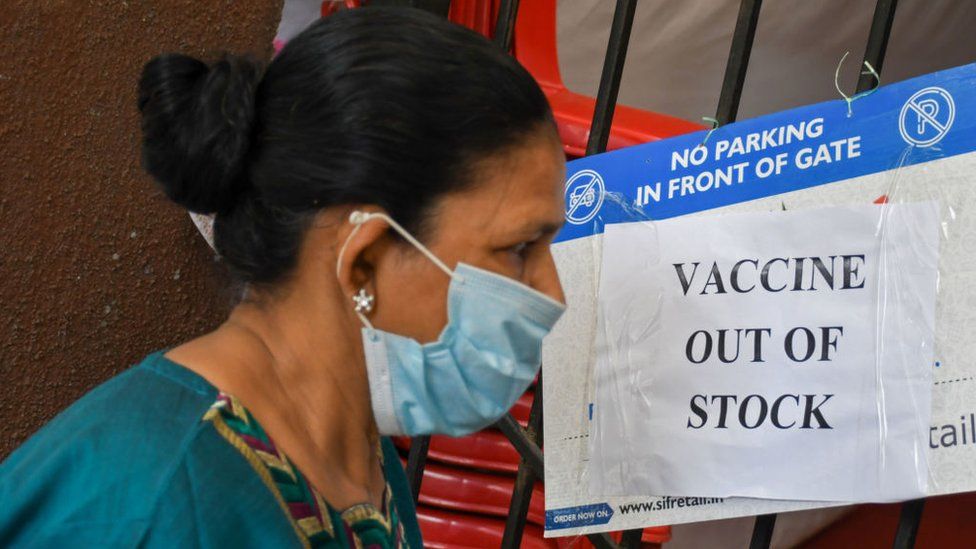
A string of nations, often referred to as “third-world” or “poorer” countries, across Africa and Asia have started to run out of Covid-19 vaccines. This news comes months after these nations received their first, and in some cases, their only shipments from a global program set up to equitably distribute the lifesaving shots.
Dire Need
No doubt developing countries would face issues in obtaining enough vaccines for their populations, so when supplies arrived earlier this year through Covax efforts, the gap in access seemingly narrowed. However, today, those countries are faced with vaccine shortages and are unsure when they will receive further aid to offer second vaccines to some, and first vaccines to others.
Bruce Aylward, an adviser from the World Health Organisation (WHO), said that 80 lower-income countries have thus far received vaccines through the program. At least 40 of those countries have already either run out of vaccines or are on the verge of running out.
Important
To bring an end to the pandemic, vaccination against the virus is essential. With slowdowns in inoculation programs, unfortunately, there is more room for problematic new variants to emerge and essentially cause infection rates to rise once again.
The cycle will continue as vaccinated people are put back at risk. Countries that do not have rich health budgets cannot afford to turn to the expensive private market for doses. If supplies are not restocked, nations will need to leave vulnerable populations of older people and health workers partially vaccinated.
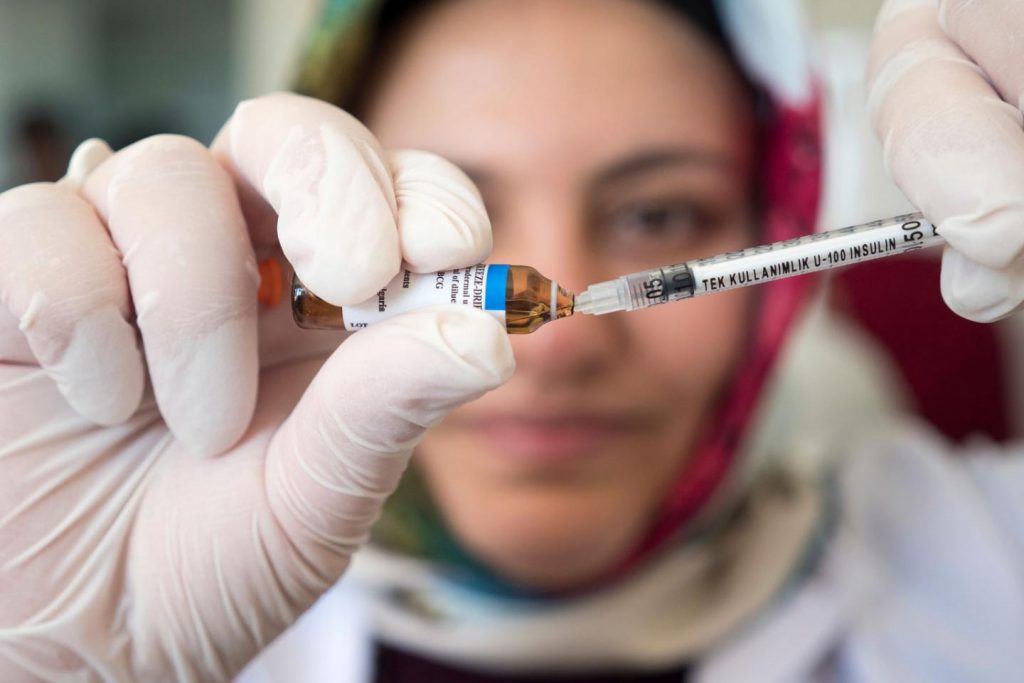
According to the WHO, seven countries in Africa, including Ivory Coast, Gambia and Kenya, have used up all their Covax supply. Other countries in Asia, Latin America and beyond are close to exhausting their supplies. As a result, many of these countries are forced to slow down or halt vaccine programs.
What is Covax?
Covax was set up last year to ensure that there would be equitable access to vaccines around the world. The program was set up by the non-profit Gavi (the Vaccine Alliance), the Coalition for Epidemic Preparedness Innovations (CEPI), and the WHO.
Covax set up a global purchasing and distribution pool specifically for less-wealthy nations who may otherwise find it difficult to enter large pre-purchase vaccine deals and/or would be unable to manufacture their vaccines.
Ultimately, the goal is to deliver 1.8 billion to more than 90 lower-income countries by early 2022. Thus far, the program has shipped only close to 88 million doses – this is close to the number of doses already administered in California, Texas and New York.
What is the delay?
Covax is heavily reliant on AstraZeneca Plc’s two-dose vaccine. They are now facing delays in shipments from the vaccine’s key manufacturer, the Serum Institute of India, as the country has halted exports in an attempt to tackle the large outbreak at home.
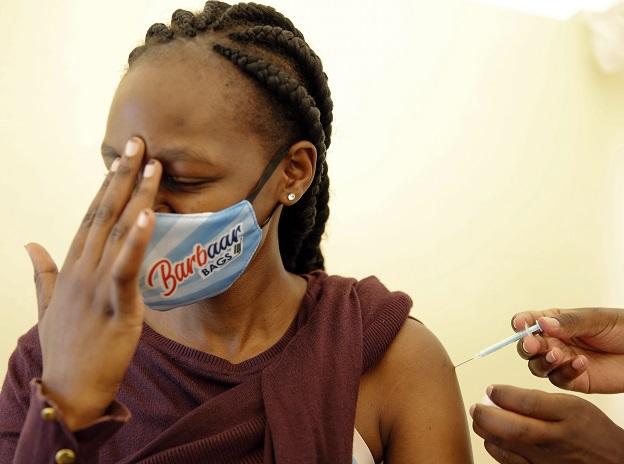
Ivory Coast has thus far used close to 730,000 doses of AstraZeneca and now relies solely on the 100,000 Pfizer doses acquired a couple of weeks ago. To maintain the public’s faith in the vaccine program and ensure it can continue protection measures, Ivory Coast and countries in similar situations need to acquire millions of additional doses soon.
Covax rollouts in Ghana and Ivory Coast started on March 1, marking a key moment, which has been seen as a light at the end of a long tunnel. Since March, Ghana has used 90% of its doses. In preparation for delays with Covax, the country did sign pacts with several other suppliers including Russia’s Sputnik V vaccine.
However, even with extra measures in place, supply challenges have fettered deliveries. The Gambia has reportedly also run out of AstraZeneca shots and has turned to Sinopharm Group Co. to introduce the Chinese company’s vaccine this month.
Other countries in Africa: Eswatini, Lesotho, Malawi and Rwanda, have used all the vaccines received through Coax. Angola, Uganda, Ethiopia and Egypt have used over 80% of their supply.

Beyond Africa
In Bangladesh, vaccination of the public has slowed close to a halt with the government turning to Russia and China to secure more supplies. Sri Lanka is awaiting health ministry approval to give people Pfizer’s vaccine as the second dose amid a shortfall in AstraZeneca shots.
In Nepal, supply shortages have slowed the process of vaccination, the country has only managed to fully vaccinate less than 3% of the population. Nepal’s health ministry director Tara Nath Pokhrel has stated, “vaccination to the entire population is a dream that is quite far off.” A sentiment that is a reflection of the current situation in most of the world’s poorer countries.
To keep up with the latest commercial news, click on commercial to get your daily dose.
Donate & Support