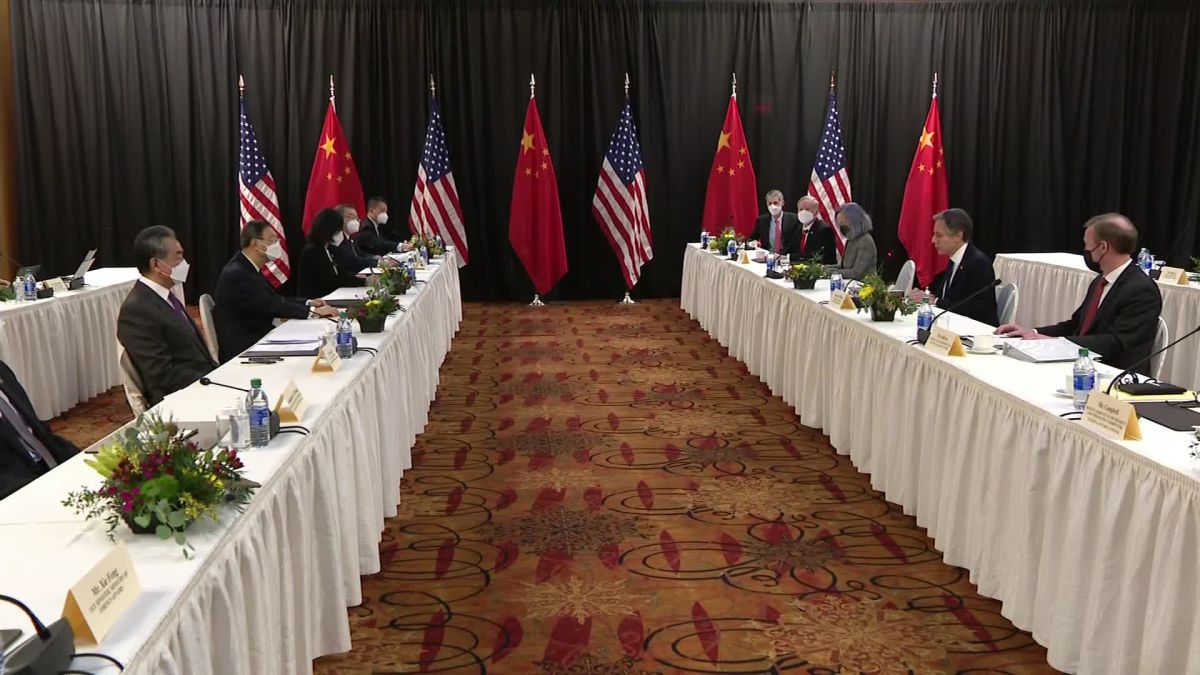
In a coordinated action, the United States, the European Union, the United Kingdom, and Canada have announced sanctions against “perpetrators of serious human rights abuse and corruption”, as the Treasury Department of the US government said.
This wave of sanctions comes as a new chapter of the tensions between China and the US, which made a call for all democracies to unite their efforts to increase the pressure on Beijing. The first movement came from the EU, imposing sanctions on four Chinese officials and a security bureau by travelling bans and freezing assets. The EU measures were followed by the US, Canada, and Britain almost immediately, adding new measures for Chinese officials and institutions.
For its part, China fought back by establishing measures against EU officials, including members of the European Parliament and two European Bodies. These sanctions consist of a ban for those on the list and their families to travel to their territory or doing business with China.
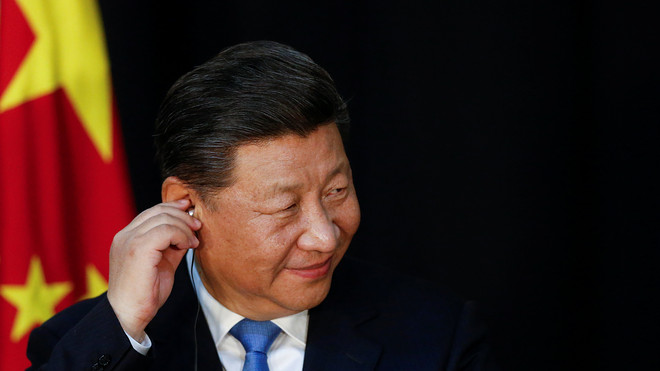
These sanctions are meant to punish alleged human rights abuses committed by China against the Muslim population in Xianjing, an autonomous region located in North-West China. According to UN experts and activists, Chinese authorities have detained at least 1 million Uyghurs in camps. For its part, US Secretary of State Anthony Blinken said that China is committing genocide and crimes against humanity in Xianjing, and urged Beijing to put an end to the repression. They have also accused China of torturing, sterilizing, and obliging detainees to forced labor.
Western allies have said that they have several shreds of evidence of these abuses, consisting of satellite images, eyewitness testimony, and even Chinese government documents. Besides, Australia and New Zealand released a statement expressing their concerns about “the growing number of credible reports of severe human rights abuses”. China has said that these camps are re-education centers that are necessary to fight against extremists and that detainees are provided with vocational training.
These measures are the first taken by the EU against China since 1989 (during the Tiananmen Square Uprising). However, these sanctions are going to be more symbolic rather than effective, and, besides, only the US did establish measures against the Secretary-General of the Chinese Communist Party in Xianjing, Chen Quanguo, which was imposed last year.
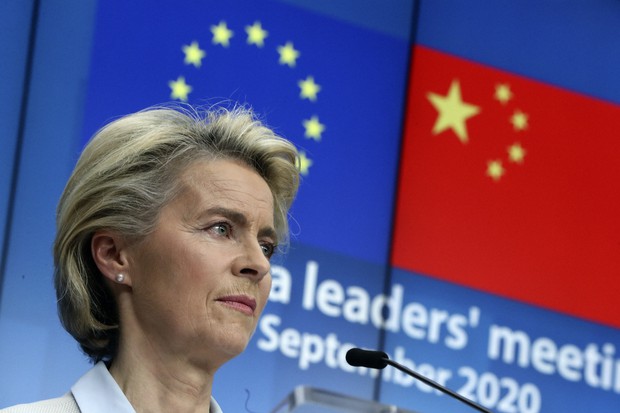
This first action from the EU and Britain against China has been welcomed by the US. Under the new Biden Administration, Washington is trying to gather support in their dispute against China, rather than facing Beijing on its own, as it was done during the Trump Administration.
Beijing’s actions in retaliation for these sanctions caused a united reaction among EU officials. German Reinhard Bütikofer, a Member of the EU Parliament, defined Chinese actions as “ridiculous“, while French EU parliamentary Raphaël Glucksmann said that he considers the sanctions imposed on him as a “badge of honour”. Besides that, all 27 governments of the Member States agreed to the European sanctions.
In this tit-for-tat, China urged the EU to correct what they define as a “serious mistake”. Beijing also summoned EU ambassador, French Nicolas Chapuis, to express its “solemn protests”.
From the European part, this situation leaves the EU in a delicate situation. Last year, after seven-year-long negotiations, the EU managed to seal an investment agreement with China, an agreement that must be approved by the EU Parliament, where there is growing opposition to signing it. Chinese Foreign Affairs spokeswoman, Hua Chunying, expressed that the Chinese government is “not worried at all” about the sanctions, and also warned the EU: this investment agreement could be at risk if the EU continues with this pressure campaign.

These measures come shortly after the tense meeting between China and the US in Alaska. This faceoff, alongside the sanctions, did not facilitate an understatement between the two superpowers, making it clear that the Biden Administration has chosen to continue Trump’s confrontational policy with China.
To keep up with the latest commercial news, click on commercial to get your daily dose.
Donate & Support