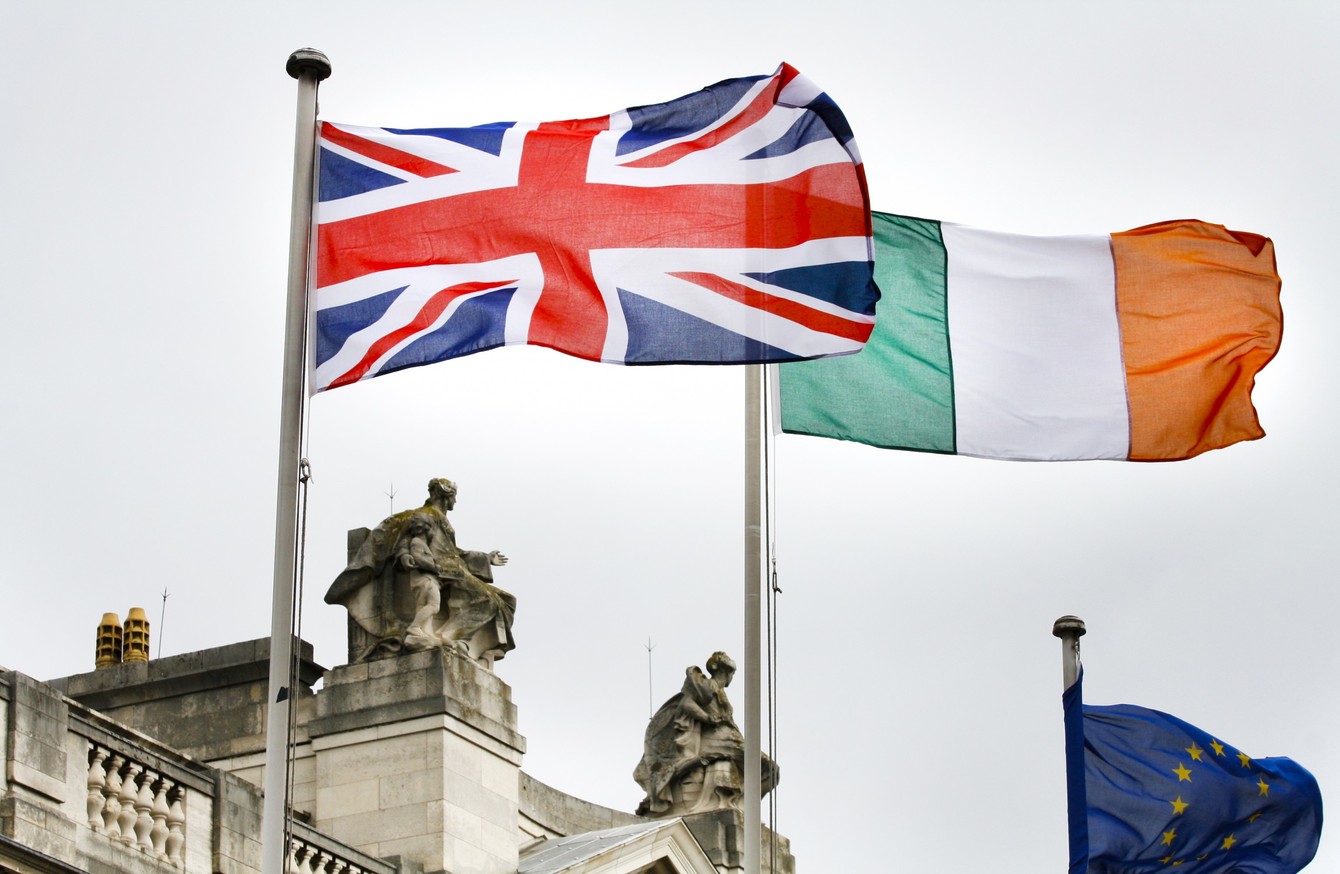
Boris Johnson’s conservative government continues to ignore calls to agree to a British-Irish intergovernmental conference regarding persistent unease in Northern Ireland, with violence across the nation over the last week.
The disorder, led by loyalists over continued tension as to the constitutional position of Northern Ireland in the wake of Brexit, recalls some of the darkest moments of the 1990s and looks set to continue as Westminster shows no signs of willingness to enter into diplomatic talks with Dublin over anger in the region.
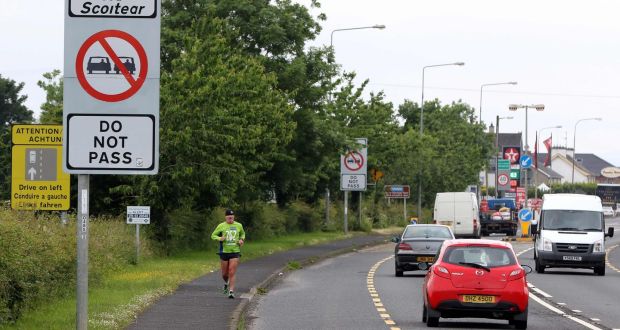
In the week of the 23rd anniversary of the Good Friday Agreement, loyalists took to the streets over the creation of a new economic border between Northern Ireland and the United Kingdom, despite Boris Johnson’s repeated insistence that regulatory checks at the customs border would not be keenly felt.
This, coupled with the decision not to prosecute Sinn Fein politicians who broke lockdown restrictions last summer to attend the funeral of republican Bobby Storey (former head of intelligence for the IRA) – activating long-standing assumptions that republicans are given “special dispensation” when it comes to the law – has sparked the violence, which has involved children as young as twelve.
Boris Johnson has been criticised on both sides of the political divide concerning his lack of intervention. After a week of protest, the Prime Minister’s office finally tweeted on Wednesday evening condemning the violence. Even the American president, Joe Biden – whom himself has Irish roots – was able to denounce the riots before Johnson.
Louise Haigh, Shadow Secretary of State for Northern Ireland, told Times Radio: ‘The prime minister was repeatedly dishonest about the consequences of his Brexit deal, and the implications for Northern Ireland. He repeatedly said there would be no border down the Irish sea, that there would be no changes to the trading relationship, and of course, that’s not true. The loyalist and unionist community feel that Northern Ireland is being separated from Great Britain’.
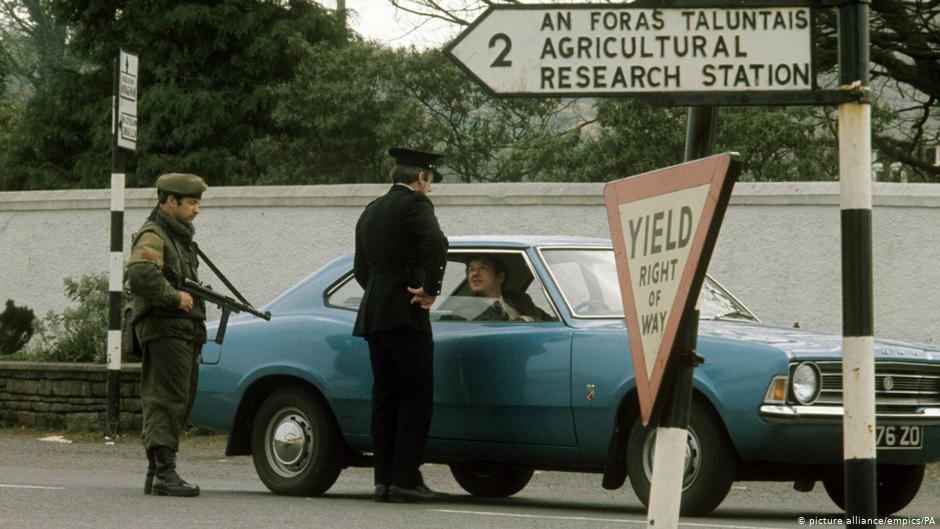
Brussels has taken court action over Westminster’s unilateral decision to postpone implementation of checks on the customs border, and it is feared that Johnson intends to demonstrate the inadequacy of the Northern Ireland protocol by forcing the EU to impose a border in the Celtic Sea, taking the region out of the single market as he did with Britain in January. The Democratic Unionist Party (DUP) launched an official campaign in February urging MPs to support its campaign to scrap the Northern Ireland protocol.
Jonathan Powell, Tony Blair’s chief of staff from 1995 to 2007 and the chief government negotiator on Northern Ireland, wrote in The Observer on Sunday that ‘The worst problems in Ireland have always happened when Britain ignores it. And it means no more using it as a battering ram in a new post-Brexit conflict with the EU.
Most of all, it means coming clean with the people of Northern Ireland about where they stand. The government can no longer claim clean hands if it fails to take these steps and the result of its political approach is the unravelling of peace in Northern Ireland.’

Loyalists’ biggest fear is that Johnson’s hard Brexit will force them into backing a united Ireland, especially amidst the existing tensions around devolved administration throughout the COVID-19 pandemic are likely to be a strong point of conversation ahead of the May elections.
Should the SNP win Holyrood, and Plaid Cymru performs well in the upcoming Senedd elections, this fear may be escalated, especially at a time when an increasing portion of the demographic no longer find ‘unionist’ and ‘nationalist’ labels adequate terms to capture their political stance.
To keep up with the latest commercial news, click on commercial to get your daily dose.
Donate & Support