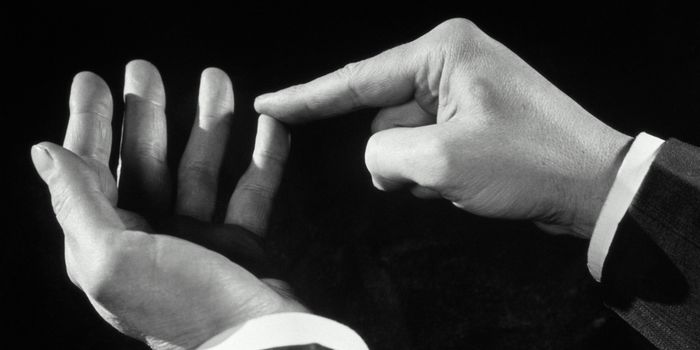
Many individuals throughout the planet figure out how to depend on their fingers, yet we don’t all do it similarly. Could there be a superior technique?
How might you check to 10 on your fingers? Do you begin with the thumb or the forefinger? Left hand or isn’t that so? Dactylonomy (depending on your hands) seems like such a straightforward and regular thing to do that you may accept that it’s almost the equivalent all over the place.
All things considered, it’s no fortuitous event that we have 10 digits on all fours most normal number frameworks have 10 digits. This method of tallying (called a base 10 framework) most likely emerged because we have 10 fingers. If we had developed with 8 or 12 fingers, our number framework may be very unique. What’s more, “digit” in the feeling of numerals comes from the Latin digitus, which means finger or toe – in light of how we use them to check.
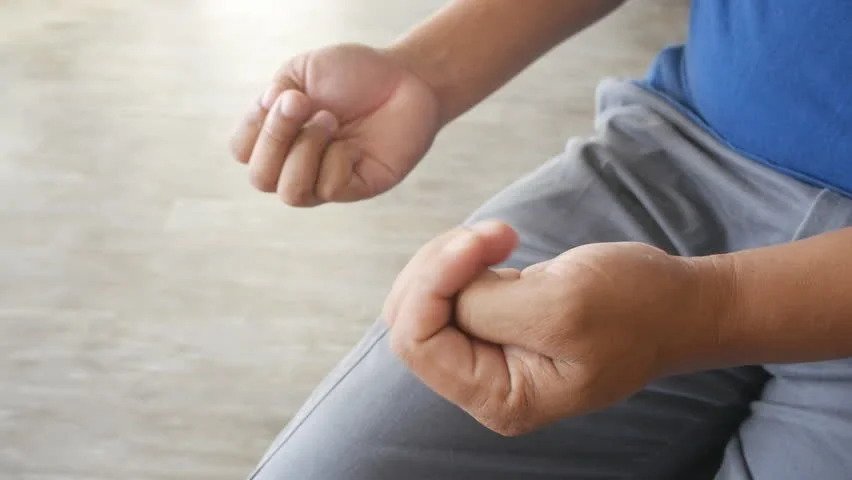
However, incidentally, individuals throughout the planet have incomprehensibly various strategies for monitoring numbers on their hands. In pieces of the Middle East like Iran, they start with the pinky, while in Japan they start with the fingers reached out in an open palm, attracting them to make a shut fist. this social variety in finger tallying hasn’t generally been valued. “What struck me was that most specialists regarded it as though there was only one method of checking with your fingers,” says Andrea Bender, an educator of perception, culture and language at the University of Bergen, Norway.
“Previously, analysts have accepted that finger tallying, and particularly the way that we do it in the West is fundamental for youngsters when they begin to master checking, and when they attempt to get a handle on what numbers are. One justification providing a reason to feel ambiguous about that will be that there is such a lot of social variety in how fingers or body parts are utilized for tallying.”
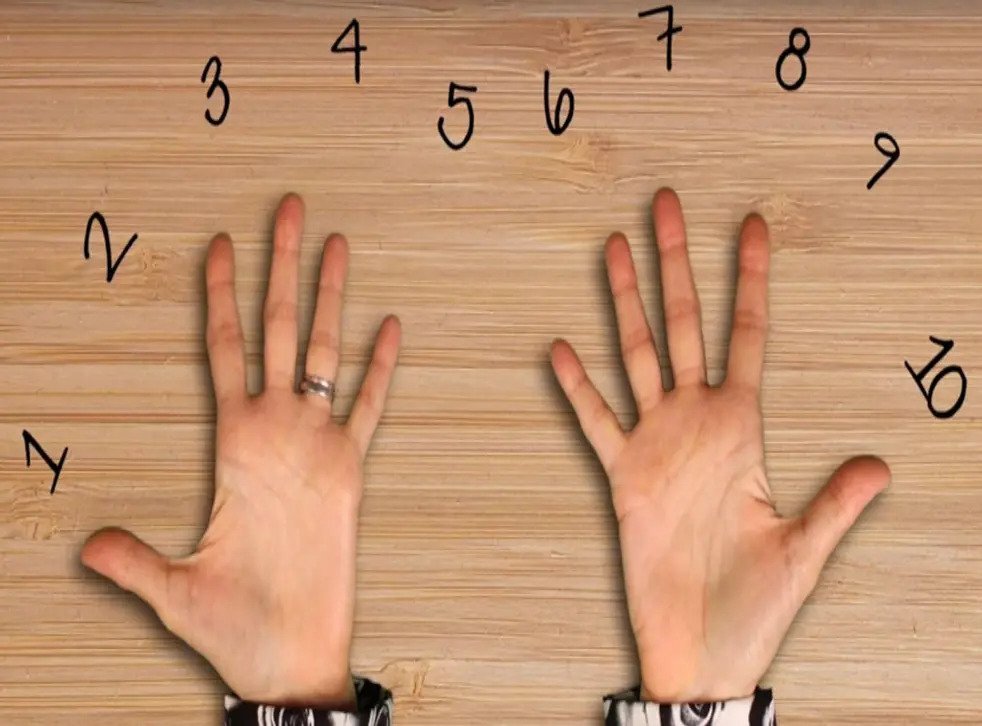
In India, for instance, they utilize the lines between the sections of the fingers to check. This implies every digit can address four numbers and the entire hand can address 20. While in pieces of Eastern Africa like Tanzania, among speakers of some Bantu dialects, they symmetrically utilize two hands however much as could reasonably be expected. The number six, for instance, is displayed with the file, centre and ring finger of two hands. There’s likewise the native Northern Pame individuals of Mexico, who depend on their knuckles, and the (presently wiped out) Yuki language in California, which utilized the spaces in the middle of the fingers.
Intellectual researchers like Bender are starting to show that there is still a lot to find about the connection between motion and language learning. For instance, motions can change how we hear words. In any case, we don’t know whether the signal illuminates the decision regarding word or the other way around.

How do kids who grow up with various portrayals for numbers pick up tallying?”
Sooner or later, likely a huge number of years prior, our precursors began to check and created distinctive tallying frameworks, finishes up Bender.
Not exclusively can finger including uncovering where on earth you come from, it might likewise reveal insight into how we figured out how to comprehend the idea of number – as youngsters and even as an animal variety. Even though depending on your hands feels as simple as one-two-three, in actuality it’s not basic.
To keep up with the latest commercial news, click on commercial to get your daily dose.
Donate & Support