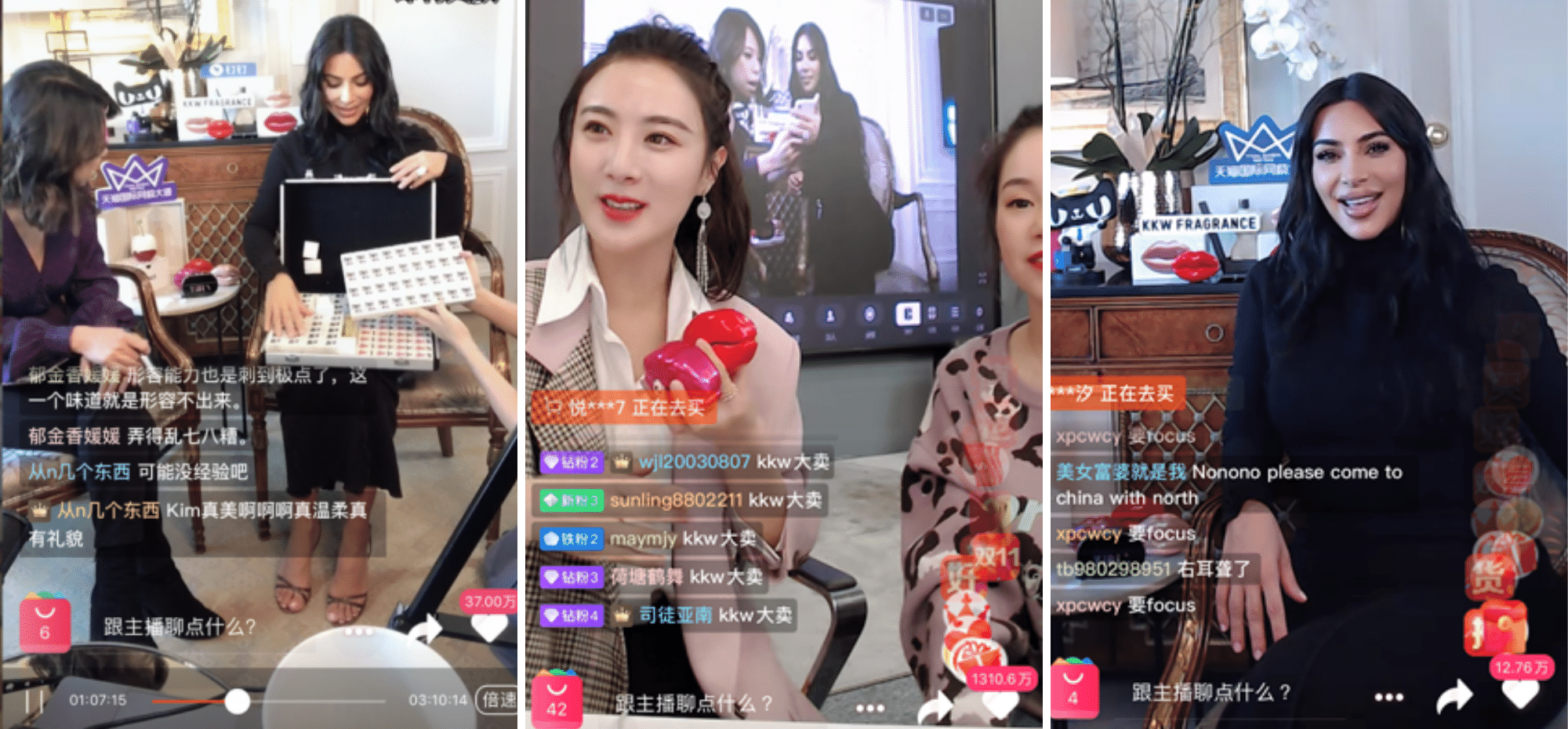
Livestream shopping is described to be a ‘game-changer when concerning e-commerce, which is already evolving from the Chinese billion-dollar industry. The change to the industry is inclusive of influencer markets, live videos, and entertainment whilst also advertising products to a limitless and engaged audience online – explaining the demand.
Livestream shopping offers brands and all those concerned with e-commerce to showcase and advertise their products to a live, online audience that can interact in a live experience. Brands can directly interact with consumers through online videos, chats, and or other ways of live communication.
Due to the live element of shopping, there is little to no room for manipulation of imagery and settings which enables customers to be able to confidently trust the brand. In the same breath, brands can build excellent rapports with their customers as well as actively engaging with customers without the added pressures of time management.

Livestream shopping originally took flight in China as Chinese influencers and celebrities were producing live video content via social media to present to their mass followings; Livestream shopping has received endorsements from the Chinese government as they label it as “the new engine of e-commerce”.
The Chinese government are hopeful that the introduction of live-stream shopping will tend to the solution of unemployment in China which rose during the plight of the pandemic. The e-commerce phenomenon has now spread across the pond to American and Europe and is estimated to have an industry worth $66 billion.
Platforms in Europe and the U.S such as Facebook and Amazon have already introduced live-stream shopping into their branding; Facebook marketplace and Instagram shopping are seemingly growing channels. Amazon has announced ‘Amazon Live’ where products are being live-streamed 24/7 in multiple different categories.
Forbes claims that ‘Amazon Live’ is the future of e-commerce; Kiri Masters states that Amazon Live will play a substantial role in online shopping in the future. Additionally, Facebook and Amazon could arguably pave the way for other brands to follow suit with live-stream shopping. With this innovation reaching considerable heights in China, other international businesses are very likely to implement this for their branding.
As for the future of e-commerce, the projection of live-stream shopping and the escorting of e-commerce is mostly centred around acceleration. Due to the pandemic, the shopping experience for consumers has been largely affected by not being physically being able to shop and thus consumers opting to engage in mass online shopping. The supported social commerce through the apps and websites such as TaoBao has only further enabled the success of live-stream shopping and has largely contributed to the future success of e-commerce.
In a world of lockdowns and being unable to experience physical shopping, consumers are now able to consume in real-time and in the comfort of their own homes; consumers can watch people try products and comment which allows brands to be able to get instant feedback.

Conclusively, live-stream shopping is the future of e-commerce and the implementation of this will largely aid brands in gaining traction with future customers and build better rapports with existing customers. As live-stream shopping has taken off so quickly in China, it is no surprise that other countries have sought to introduce the future of e-commerce to their platforms such as Facebook, Amazon, and Instagram.
With the plight of the pandemic and most countries still recovering from the mass spread, some countries are still having to implement nationwide lockdowns which further hinders the consumer shopping experience which could arguably reach new heights with customers being able to live-stream products and decipher between products from the comfort of their own homes.
To keep up with the latest commercial news, click on commercial to get your daily dose.
Donate & Support