By Bianca Duca
Your commercial awareness dose.
As the world embraces a more collaborative way of working, with many companies moving their businesses online, the tech world is undergoing intense scrutiny, with one question lingering on everyone’s mind – what will happen to Big Tech under a Biden-Harris administration?– and while there are numerous amount of speculations, one thing is certain: their favourite law – Section 230 – seems to be under imminent threat.
Introduced in 1996 by two US congressmen, Chris Cox (Republican, California) and Ron Wyden (Democrat, Oregon), Section 230 of the Communications Decency Act, is described to be the foundation of the modern Internet. The law allows tech companies to have immunity, and protects social media platforms such as Facebook and Twitter, from becoming liable for their users’ content if they choose to moderate it.
Flourishing under the 44th president Barack Obama, and enjoying decades free of hard ground regulations, the growth of the tech industry seemed to have weakened. This happened after losing support from The White House, which had later become a major dilemma during the 2020 US presidential elections. Privacy and antitrust issues were noted to be major factors of this dilemma, alongside the monopoly of a few key players.
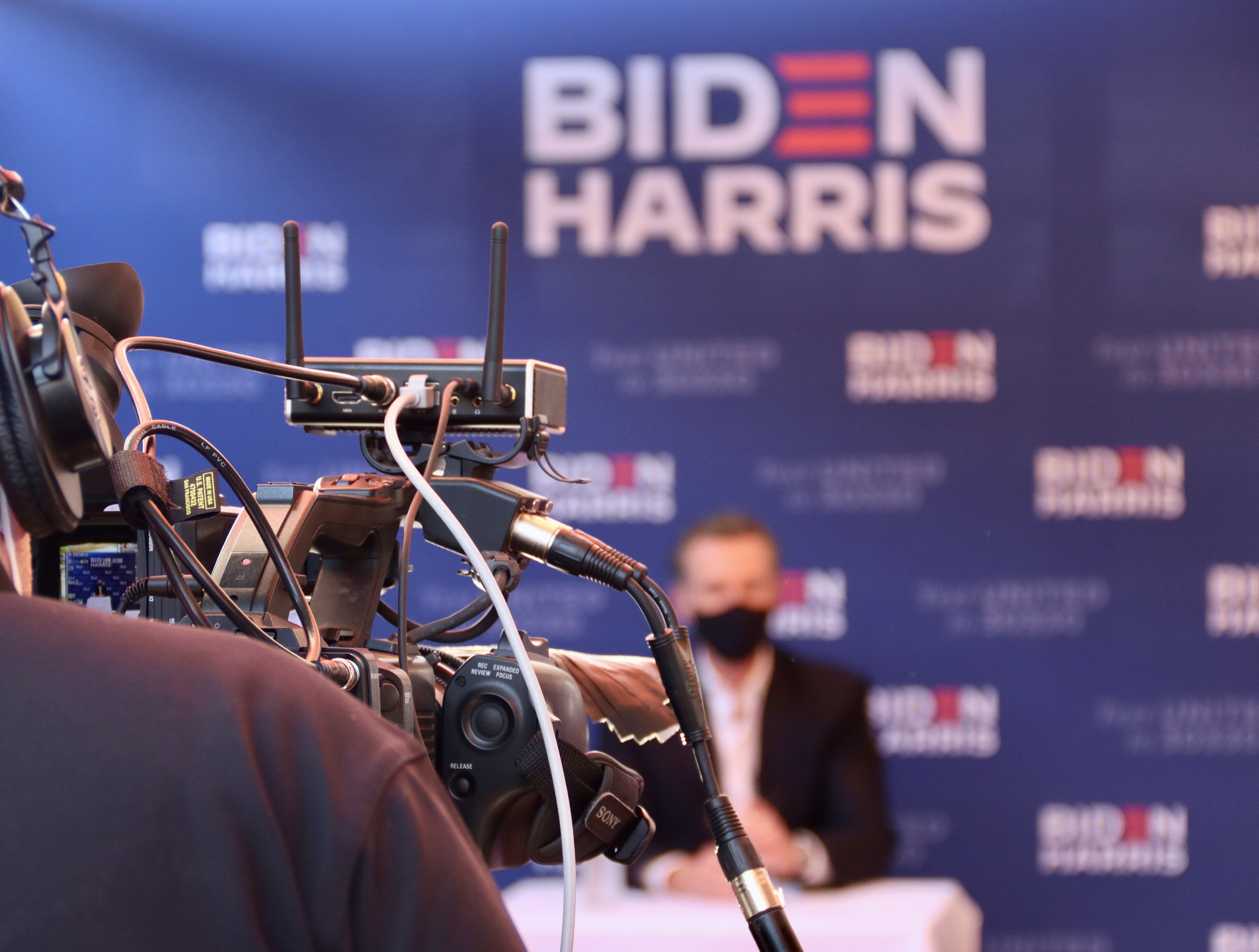
While President Donald Trump and president-elect Joe Biden do not see eye to eye, revoking Section 230 had seemed to be the only matter that they both agreed on. In August 2019 president, Trump drafted an executive order which would require the FCC (Federal Communications Commission) to create rules that would limit Section 230 shields. Critiques of the lawmaker’s proposals deemed the order as unrealistic.
On October 6, the House Judiciary Committee released a 449-page report written by Democrats, following a 16-month investigation into the antitrust issues, which was centred around the monopoly of the four major players in the tech field: Amazon, Facebook, Google and Apple.
The report- containing the word monopoly 120 times according to a BBC report accused the US giants of charging high fees. This meant that Section 230 was forced to protect start-up companies into unfavourable contracts, which concluded:
“To put it simply, companies that once were scrappy, underdog start-ups that challenged the status quo have become the kinds of monopolies we last saw in the era of oil barons and railroad tycoons. By controlling access to markets, these giants can pick winners and losers throughout our economy. They not only wield tremendous power, but they also abuse it by charging exorbitant fees, imposing oppressive contract terms, and extracting valuable data from the people and businesses that rely on them.”
Although the recommendations were not considered to be bi-partisan, there seems to be some common ground between the parties. Republican congressman Jim Jordan rejected the report and said it enhanced “radical proposals that would refashion antitrust law in the vision of the far left.” Whilst, Republican Ken Buck has said he agrees with most of the findings: “Antitrust enforcement in Big Tech markets is not a partisan issue. But an ounce of prevention is worth a pound of cure – I would rather see targeted antitrust enforcement over onerous and burdensome regulation that kills industry innovation.”
Bill Russo, the deputy press secretary of the US president-elect, had a series of tweets last week in which he attacked Facebook over its handling of disinformation during the US election. For some, this is an indication on the approach a Biden administration would take. While Conservatives view Section 230 as a matter of censorship and bias, Democrats are more concerned with tackling issues such as disinformation, intrusion, and monopoly.
Even if President Trump and president-elect Biden, both said they want Section 230 revoked, the underlying reasons are very different, and so will be the process in which is going to be handled. Experts say revoking Section 230 entirely seems improbable, but we will definitely see stricter regulations regarding data privacy and antitrust issues.
Over the past couple of years, tensions between Europe and the United States have increased exponentially, however since the EU Court of Justice invalidated the EU-US Data Protection Shield 2016/1250 in July 2020, there have been ongoing negotiations between the European Commission and the US. A Biden-Harris administration could be aligned with the EU in their views of controlling Big Tech powers.
To keep up to date with the latest commercial news, click on commercial awareness to get your daily dose.
Donate & Support