By Suyeba Aslam
Your commercial awareness dose.
The concept of institutional investing occurs when corporations invest in shares of money on behalf of other people. This may include assets such as mutual funds, pensions and insurances. There are six types of institutional investors which include those who deal with endowment funds, commercial banks, mutual funds, hedge funds, pension funds and insurance companies. The purpose of institutional investors is to buy and sell a large number of stocks, bonds or securities. Alongside the buying-and-selling of stocks, institutional investors will manage all investments securities for their clients, customers or shareholders etc.
Within society and within the financial world, institutional investors usually tend to be of
those with a high reputation. This is in comparison to other investors and traders as they are considered to be the ‘big dogs’ on Wall Street. Furthermore, institutional investors are known to be very knowledgeable of their industry and be much savvier within their
networking circles, compared to other types of investors.
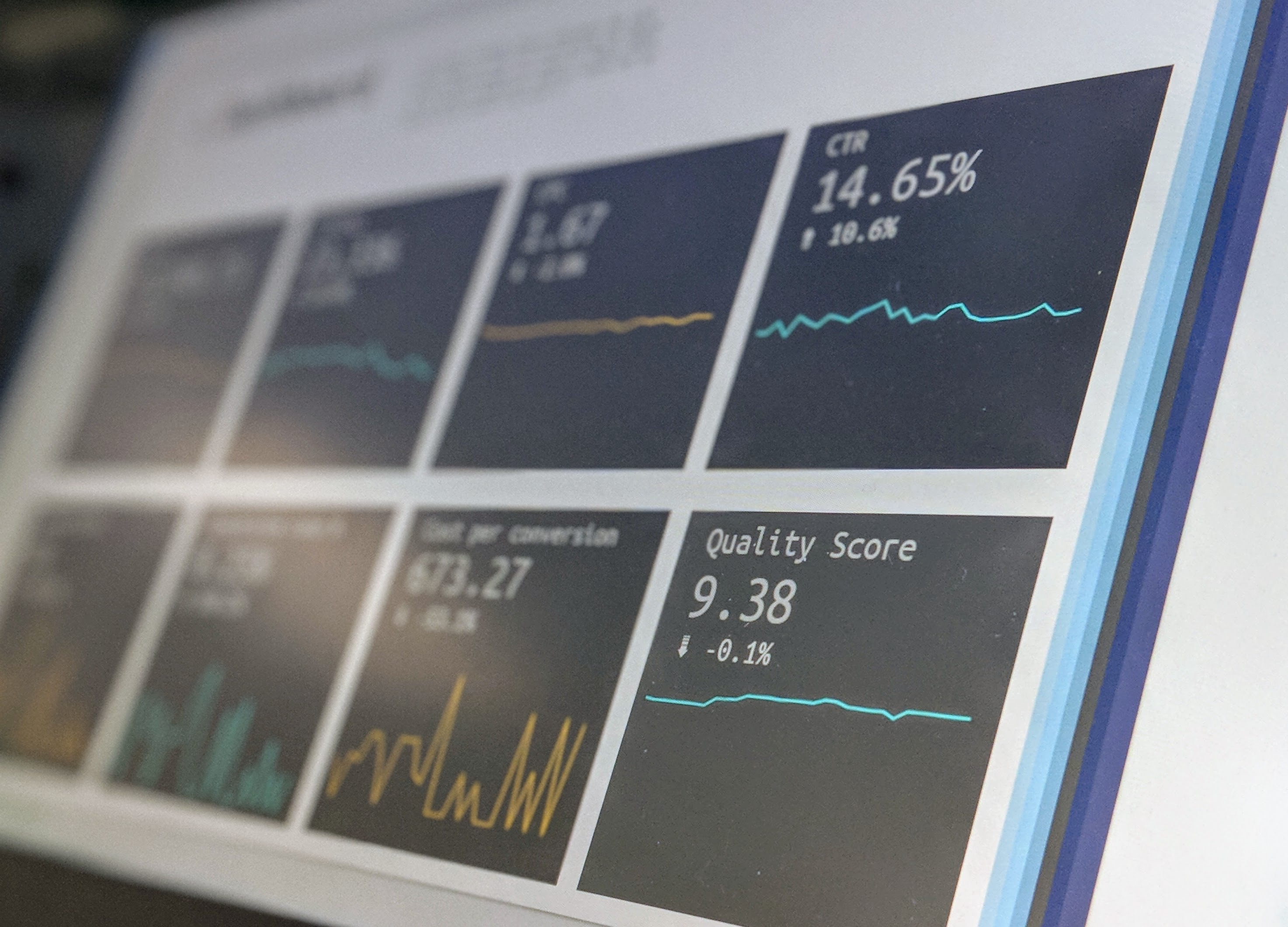
Often confused with retail investing- the difference is that retail investors will mainly focus on active buying and selling, involving retail investors to invest in shares, bonds, options, commodities, stocks, etc. Stocks that attract the retail investing market will be bought and sold in shares of 100 or more. To the contrary, institutional investors will buy and sell block trades of 10,000 shares or more. Moreover, as it may violate securities laws, institutional investors will usually avoid attaining high profitable shares, especially within aspects such as mutual funds, closed-end funds and ETFs.
It has been argued that the concept of institutional investing had only developed by the late 1970s, as the popularity of institutional investors had grown due to the value of assets were increased. This also allowed in the growth of the equity market and the ownerships of stocks. Only until the 1980s and 1990s- when there was a significant financial boom, many countries and financial instruments had rapidly adapted to the idea of institutional investors. Thus, the real rise and pivotal change of significance that institutional investors have today finally came into action.
As Covid-19 has been with us for a tediously long year, it has undoubtedly caused severe
economic damage, especially within the world on investing and towards the portfolios of
investors. However, many investors are reassured and have a lot more security within their funds than they did 12 years ago in 2008 during the global financial crisis. In a survey
conducted by the British Private Equity and Venture Capital Association (the BVCA), 61 per cent of firms injected more funds into their portfolio companies due to Covid-19, according to Harbottle.com.
However, by analysing the situation on a much more positive note, the coronavirus has
allowed traders and investors to work more efficiently and strategically. Buyers and sellers are able to negotiate transactions more than before, take higher-risk investments as well as being able to perfect their own competitive advantages.
Furthermore, the coronavirus has provided a catalyst for potential innovation and
development as the environment that investors and traders are working in has changed.
Such changes include virtual resources, technology and behavioural norms as well as the ordinary day to day work experience. It has also allowed investors to become more vigilant towards changes in the financial marketplace by paying more attention towards the environment, society and government.
To keep up to date with the latest commercial news, click on commercial awareness to get your daily dose.
Donate & Support
1 comment
[…] is the very sentiment that has caused much debate around the battle of Wall Street against amateur investors, and this past week has been an exploration into why Capitalism helps the rich stay rich and how it […]