By Rebecca Shields
Your commercial awareness dose.
Today, the Chancellor of the Exchequer Rishi Sunak will deliver the UK’s Spending Review to the House of Commons. For the readers of Relawding who are unfamiliar with the UK government’s economic process, the Spending Review is a procedure overseen by HM Treasury to set expenditure limits and agree on the advancements that will be made from these developments. Most of the Spending Review will only apply to England, with the devolved administrations in Scotland, Wales and Northern Ireland deciding how their apportioned money is spent in those sectors.
The Spending Review will also demonstrate how the Conservative Party will implement their campaign promises into reality. The Spending Review is a standard government practice that tends to bypass most of the general public’s interest, which leads many to question why this year’s spending review has been the most significant. The Spending Review was launched back in July, this year. Shortly afterwards, it was announced the annual Autumn budget, which preludes the Spending Review, was not to occur this year.
The Spending Review typically covers the government’s spending plans for the next three to four years. However, the global pandemic forced the Spending Review to only cover the next year, from April 2021 to April 2022. These changes have been met mostly with a positive reaction but there are some issues with the short budget timeline. One-year budgets are capable of denying public service leaders’ stability when it comes to implementing plans with a longer-term goal. It also adds to the ambiguous future of the UK economy. However, the uncertainty surrounding the economy is due to clarify somewhat with the Spending Review.
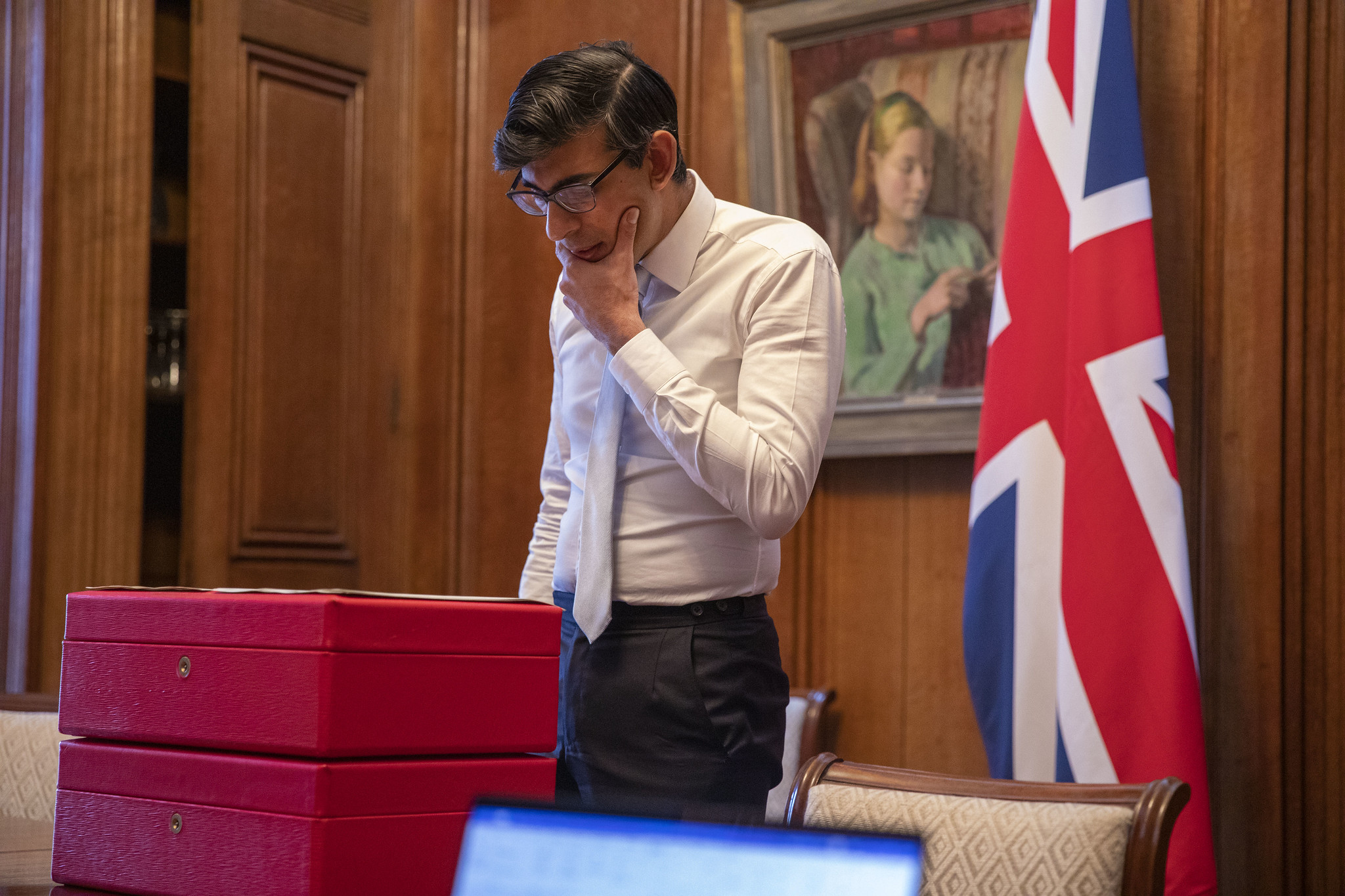
There will be an announcement about the full effects Covid-19 has had on the UK economy. We already know billions of pounds in extra costs have occurred and the declining levels of tax generated have not been able to pay for them. With the service industries declining, the government is set to acquire even more debt through borrowing. Before the pandemic, the government was anticipated to borrow around £55bn for this financial year. Due to the pandemic, the government has already borrowed £215bn and is expected to borrow in excess of £370bn by the end of the year. This will be the largest public borrowing since World War Two (WWII).
Why does the government have plans to borrow so much money?
The pandemic has caused one of the most severe recessions in the UK. The economy shrank by 20.4% between April and June 2020. Now with two confirmed quarters of economic decline, the UK is in a technical recession, its first since 2009. Due to the growing concerns about how the UK economy will bounce back from this, the government has already confirmed some of the allocated spendings for next year.
The NHS is set to receive at least £133bn and the Chancellor has promised a further £3bn to help with backlogs of delayed non-COVID-19-related operations and treatments. Elsewhere, in the education sector, schools throughout England have been allocated an extra £2.2bn for 2021. The government has also announced an increase in defence spending for the next four years, totalling in at around £16.5bn.
With these public sector spending announcements confirmed the interest in the Spending Review now surrounds the issues left to be covered. Such as the much-discussed reform on the anti-Northern spending bias and pay rises for public sector workers. How the government’s plans to lower the UK’s carbon dioxide emissions to net-zero by 2050 will be met and whether there will be a return of austerity. The chancellor’s decisions on bulk borrowing will not only affect the short-term economy but will have a lasting effect in tax rates for future generations. With so much uncertainty surrounding us, the Spending Review should provide some much-needed transparency.
To keep up to do date with the latest commercial news, click on commercial awareness to get your daily dose.
Donate & Support