By Rebecca Shields
Your commercial awareness dose.
It is hard to imagine a time when anything other than the coronavirus or the US election dominated the news. But cast your mind back to earlier this year when the nation’s favourite headline for 4 years in a row was Brexit. At the beginning of 2020, it seemed this would continue, as the UK officially left the European Union on January 31st. Then the global pandemic occurred, and the UK’s entrance into talks with the EU in March started with hardly any media attention. The initial October 15th deadline for the trade deal passed with little fanfare and no trade deal. Instead, an extension was added until the 31st of December. With less than a month before the deadline, let us take a look at where the trade deal currently stands.
The EU is the world’s largest trading block. It is the top trading partner for 80 countries and the largest importer in the world. The UK hopes to establish the UK-EU Comprehensive Free Trade Agreement (CFTA). The CFTA is intended to establish a free trade deal following on from the original Brexit Withdrawal Agreement and to encourage trading by removing barriers such as the tax on goods. There are three key topics that are delaying the agreement, all of which are focused on trade. The first is the EU’s worry that the UK will provide financial aid for its own firms. In the EU’s eyes, this would give the UK an unfair economic advantage. There is continued concern regarding fishing borders and the uncertainty about Northern Ireland, which is the only part of the UK that has a land border with an EU country. Other issues such as medicine, data sharing, and taxes are also currently being discussed.
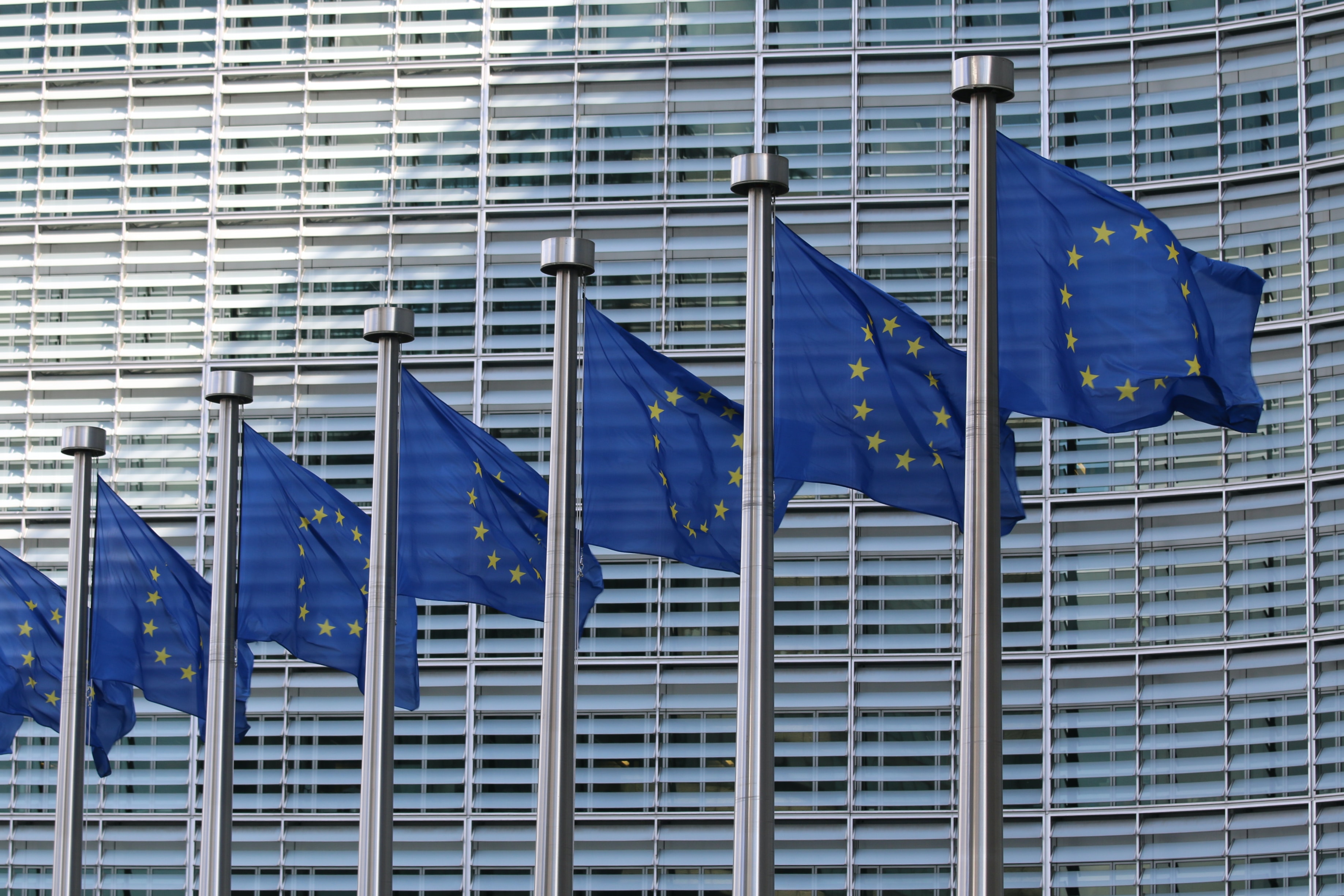
These topics have continually been divisive and are unlikely to be resolved before the December deadline. So, what happens if a deal is not reached? If no trade deal is reached (as many media outlets are predicting) then the UK and EU must follow the trade rules set out by the World Trade Organisation (WTO). These rules would see immediate changes in the UK. Prices for EU goods would increase in shops and there may be initial delays for certain stock items from the EU as additional border checks will occur for lorries.
The UK government is trying to ensure as smooth a transition as they can for the public and for business owners. Since leaving the EU, the UK has made trade deals with 50 of the EU’s trading partners, largely ensuring trading stays the same with those respective countries. The UK is also in talks with the US and Australia; however, deals have not yet been confirmed with them. These decisions, along with the UK no longer having to contribute large amounts to the EU’s budget, have been celebrated by Brexit supporters. The same can not be said for remain supporters whose concerns are set to increase even more when the new travel policies come into effect on 1st January 2021.
Whether a deal is successfully made or not, major non-trade related changes are set to start on the 1st of January. Travelling between the UK and EU will become more complex; anyone planning to retire, live, or work between the UK and EU will no longer be able to automatically. Trips to Europe from the UK will need to be planned out as valid passports, health insurance and driving licences will become essential documents for travel within the EU. UK citizens will also stand in different queues at passport control in EU countries and a new points-based immigration system will come into effect in the UK for EU citizens.
For now, the talks continue but as the December deadline approaches it looks increasingly likely that an agreement will not be reached, and the UK will be set for even more changes in 2021.
To keep up to date with the latest commercial news, click on commercial awareness to get your daily dose.
Donate & Support