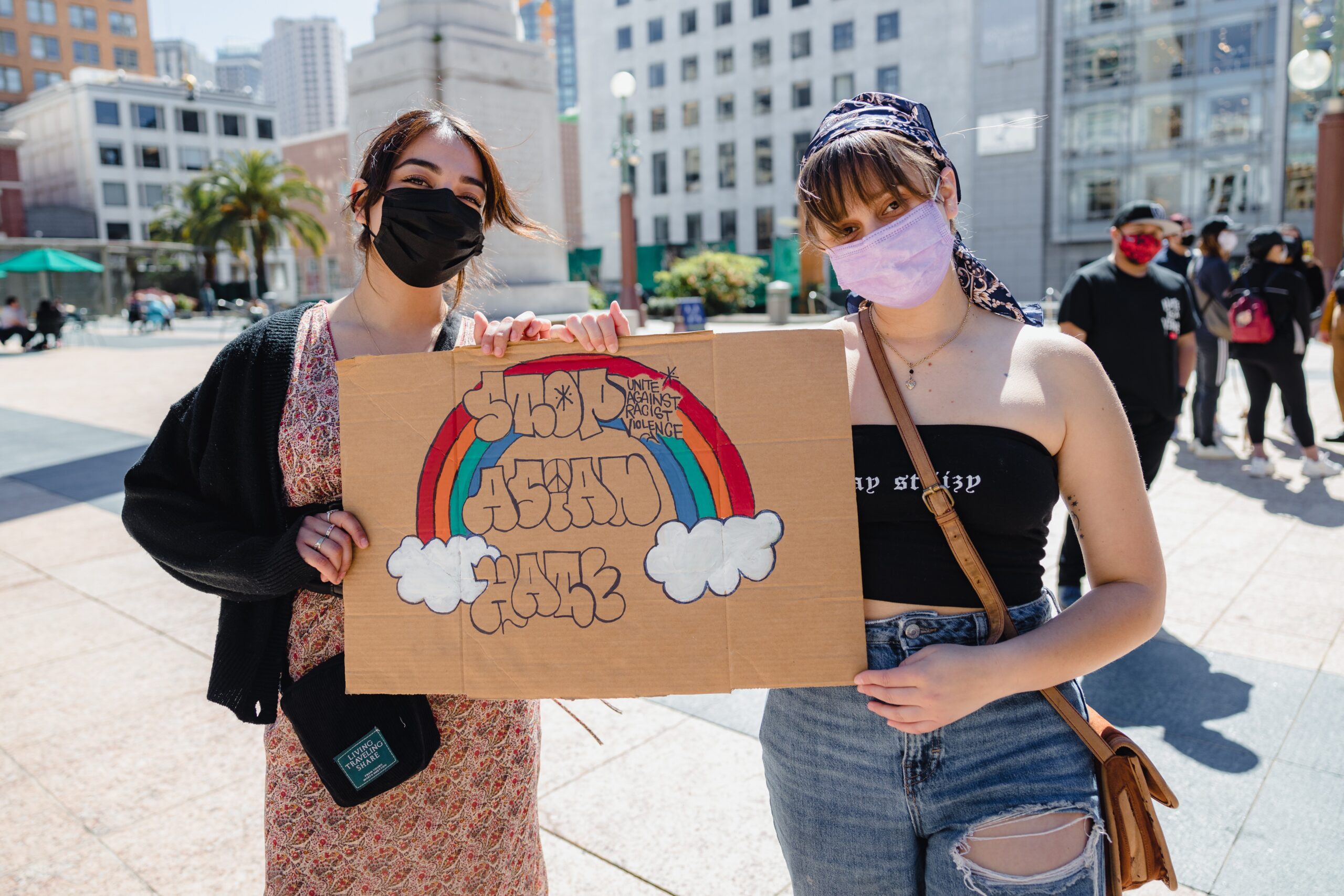
Racially charged attacks against Asians have been increasing at an alarming rate, and after the shooting in Atlanta on March 16 which resulted in the death of 8 victims, 6 of whom were Asian, this sparked global outrage. Further frustration arose when the police denied the attack to be racially charged, and comments came from a Georgia officer stating that the shooter was simply having, “a really bad day.” It is vital to understand, acknowledge, and put a spotlight on these kinds of incidents in the media, to help support Asian communities worldwide.
Racially charged attacks against Asians in the UK
Data from the police in the UK shows that there was a 300% increase of hate crimes towards East and South-East Asians in the UK in the first quarter of 2020 compared to the same time of year in 2018 and 2019. These attacks consist of physical and verbal abuse, and victims have experienced this merely walking on the street, within their businesses, or even as NHS staff at work treating patients.
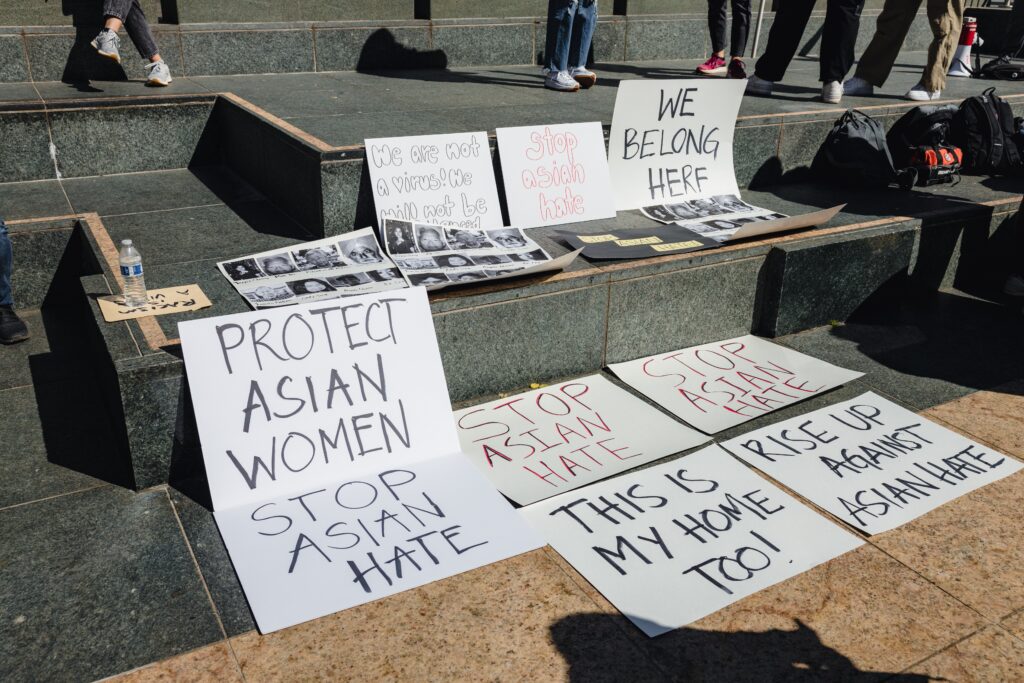
The rise in attacks towards the Asian community began to take a turn for the worst after the outbreak of COVID-19. Many are feeling like Shirley Au-Yeung, from The Chinese in Wales Association, who said the rise in racist incidents during COVID has left her feeling unwelcome where she lives, and others are feeling apprehensive about going outside at all. It is not to be forgotten, however, that these incidents are not new, as Sarah Owen MP points out, “We shouldn’t discount the fact that this was a problem well before the pandemic.”
On a global scale
In New York City alone, the NYPD has found that hate crimes towards Asians had risen by 1,900% in 2020, after the outbreak of COVID-19. The Asian community in the US faced racism from their president at the time, Donald Trump, who referred to COVID-19 as the “China Virus.” Co-founder of the organisation Stop AAPI Hate Russell Jeung points out that, “There is a clear correlation between President Trump’s incendiary comments, his insistence on using the term “Chinese Virus” and the subsequent hate speech on social media and the hate violence directed towards us.”
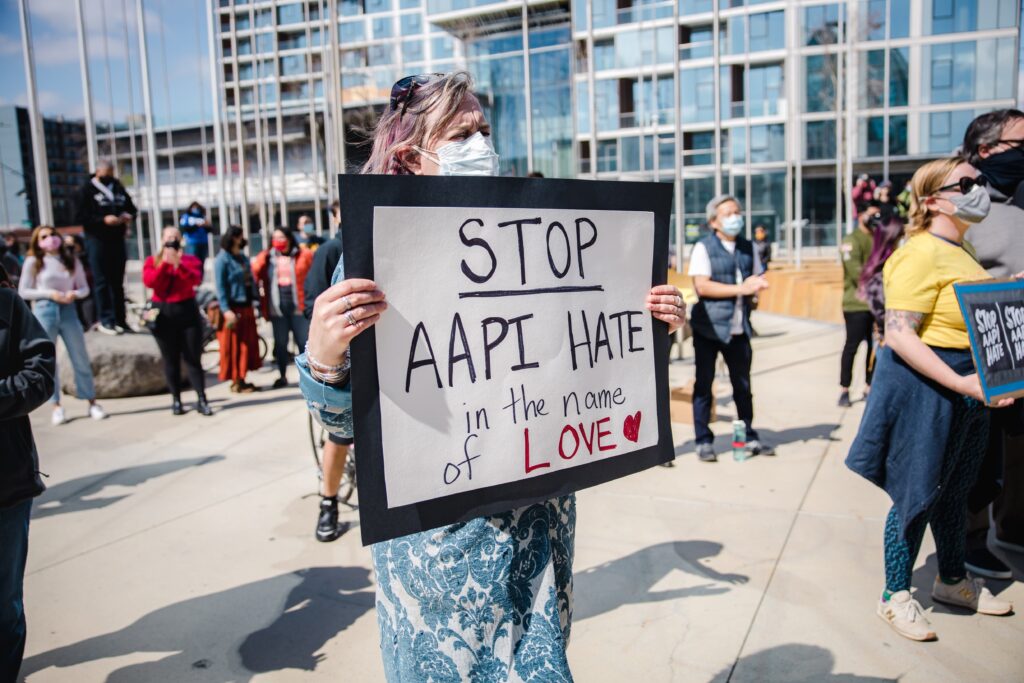
This influence does not only reach those in the US, unfortunately, as there have been reports from countries such as Australia and New Zealand of copycat racially charged incidents towards Asians. U.N. Secretary-General Antonio Guterres expressed concerns on Twitter over how, “the pandemic continues to unleash a tsunami of hate and xenophobia, scapegoating and scare-mongering.”
These incidents are nothing new
There was a widespread feeling of frustration throughout the Asian community after the shooting in Atlanta, as they had been warning of a rise in anti-Asian attacks for long before but were not taken seriously enough. There were even accounts of people flat out denying that any attacks towards Asians were racially charged, including the shooting in Atlanta. There has also been little media coverage of these incidents that have become more severe over the past year, which adds to the frustration of those who were expressing their concerns for the safety of Asian communities globally.

Racism in the UK alone is not something that is new and is deep-rooted within British history, despite not being something that is learnt about or understood in depth by many. This report is a response to a call for evidence on ethnic disparities and inequality within the UK. It is a great place to start in understanding the basics of the racial discrimination that ESEA people have had to face in the past, now, and what should be done for the future to be a safer place.
Here are a few places you can lend your support to:
Hackney Chinese Community Services
Chinese Welfare Trust
Chinese Association of Tower Hamlets
Protection Approaches
Besea.n
End the Virus of Racism
To keep up with the latest commercial news, click on commercial to get your daily dose.
Donate & Support